The Supreme Court on Thursday introduced a set of directions aimed at reducing the growing pressure on Booth Level Officers engaged in the Election Commission of India’s Special Intensive Revision of electoral rolls.
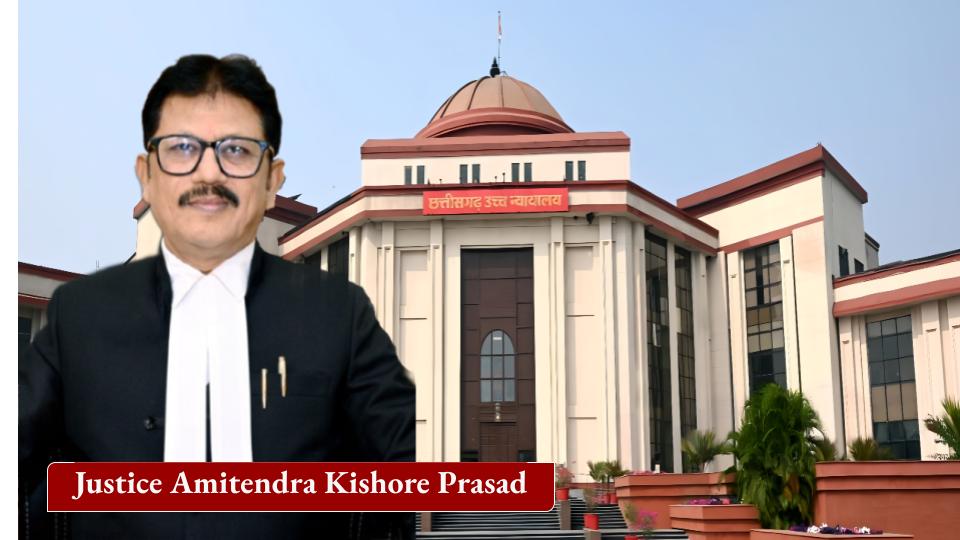
The Bench comprising Chief Justice of India Surya Kant and Justice Joymalya Bagchi observed that duties under the Representation of the People Act, 1950, and the Registration of Electors Rules, 1960, cannot be performed in a way that undermines dignity or imposes excessive hardship on field staff. The order was issued in response to an application by the Tamilaga Vettri Kazhagam, which highlighted reports of BLOs allegedly taking their own lives after receiving notices under Section 32 of the Act.
The plea stated that the provision, intended to address deliberate refusal to carry out electoral work, was being applied in a rigid manner. Many BLOs, drawn primarily from groups such as Anganwadi workers and school teachers, have reported long working hours, pressure of criminal consequences and severe psychological stress linked to SIR responsibilities.
The petitioner also referred to FIRs filed against BLOs in Uttar Pradesh and to instances where exemption requests were refused even in serious personal circumstances. The Election Commission’s counsel questioned the maintainability of the plea and argued that the process was proceeding in accordance with law.
The Court held that state governments, which assign personnel for these duties, must ensure humane conditions. It noted that disproportionate use of coercive powers is incompatible with constitutional guarantees under Articles 14 and 21, drawing support from principles established in decisions such as Maneka Gandhi v. Union of India and Olga Tellis v. Bombay Municipal Corporation.
The Court directed states to increase manpower for the revision exercise to ease the daily workload and ordered authorities to consider exemption requests arising from illness, family emergencies or similar situations and to promptly arrange replacements where required. It also permitted affected workers to approach the Supreme Court directly if grievances remain unaddressed.
The case forms part of a wider challenge to the legality, safeguards and data handling practices associated with the ongoing SIR exercise in Tamil Nadu, West Bengal, Uttar Pradesh and Kerala. Petitioners argue that the initiative, originally intended as an exceptional corrective process, has expanded significantly without adequate protections, risking arbitrary deletions and lack of transparency. The Court had previously sought information on the availability of machine-readable electoral data and safeguards against wrongful exclusions, in keeping with the principles recognized in PUCL v. Union of India on electoral transparency.