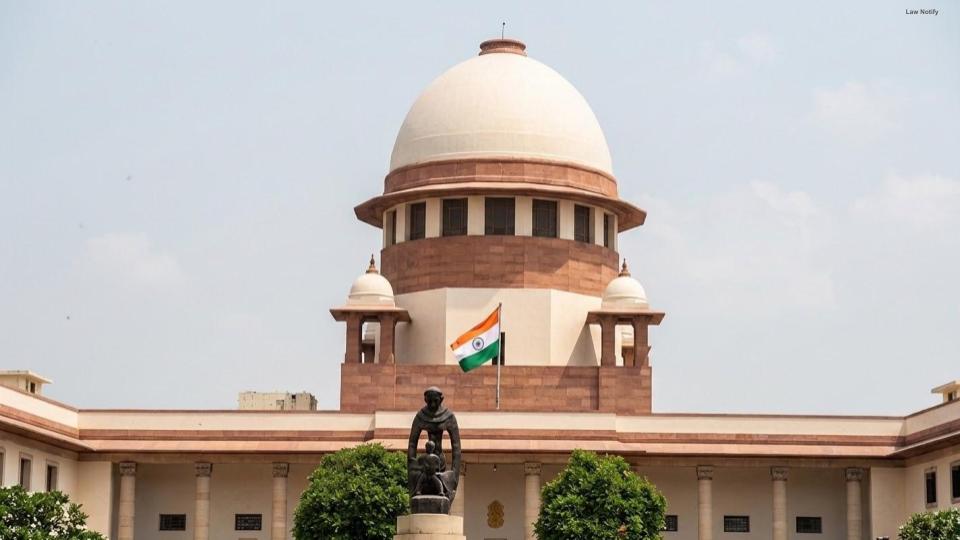
The Supreme Court on Thursday directed the Registrar Generals of all 25 High Courts to furnish detailed information on the status of pending acid attack trials across the country.
A Bench led by Chief Justice Surya Kant with Justice Joymalya Bagchi voiced sharp concern over extensive delays in these cases, stating that such stagnation erodes public trust in the criminal justice system. The Court was hearing a petition filed by acid attack survivor Shaheen Malik.
The petitioner informed the Court that the trial initiated in 2009 has still not concluded, despite 16 years having passed. The incident took place in Haryana and the case is currently pending before a Rohini Sessions Court in Delhi. Her counsel stated that the matter saw virtually no progress until 2013 and has reached the stage of final arguments only recently.
The Bench questioned how a case involving such grave cruelty could remain unresolved for more than a decade and asked the petitioner to file a formal request seeking expedited disposal. It also noted that the Court may consider suo motu action if systemic delays persist.
Solicitor General Tushar Mehta, appearing for the Centre, stressed that perpetrators of such crimes should face punishment reflecting the severity of the offence. The petitioner highlighted similar cases where victims were forced to ingest acid, resulting in lifelong medical trauma, disabilities, and dependence.
The PIL also sought broader policy reforms to support survivors dealing with severe physical and psychological consequences. The Bench requested the Solicitor General to examine whether survivors could be expressly recognised as persons with disabilities under the Rights of Persons with Disabilities Act, 2016. He agreed that the proposal deserved serious consideration.
The Supreme Court directed every High Court to provide comprehensive data on pending trials involving acid attacks and emphasised that such cases should ideally be heard daily, preferably by Special Courts, to avoid justice being lost to procedural delay.
Responding to a suggestion that the State of Haryana be impleaded, the Court clarified that the trial had already been transferred to Delhi. It instructed the petitioner to file an application requesting day-to-day hearings, assuring that the matter would then be fast-tracked.