News Citation : 2026 LN (HC) 42
Bilaspur, January 13, 2026 : The High Court of Chhattisgarh has set aside two orders passed by the State Information Commission, holding that the Chhattisgarh Public Service Commission was justified in refusing to disclose personal records of a selected candidate under the Right to Information Act. The ruling clarifies the limits of transparency in recruitment matters and reinforces the privacy protections available to candidates who participate in selection processes but are not yet government servants.
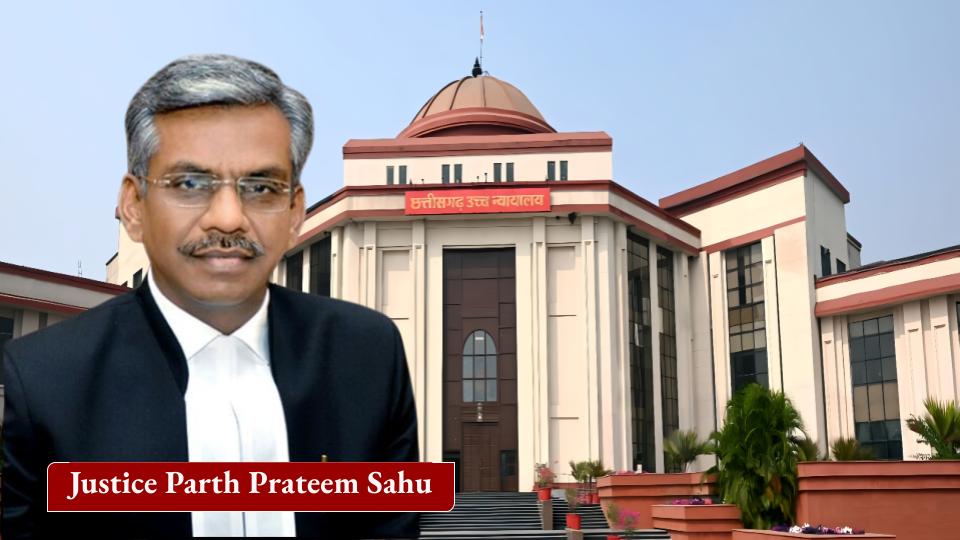
The judgment was delivered by Justice Narendra Kumar Vyas while deciding two connected writ petitions filed by the Chhattisgarh Public Service Commission. The petitions challenged directions issued by the Chhattisgarh State Information Commission, which had ordered the Commission to supply details relating to the academic experience and PhD degree of a selected candidate for the post of Assistant Registrar in a university.
The information had been sought by a wait-listed candidate under the RTI Act, claiming a right to examine whether the selected candidate fulfilled the prescribed eligibility conditions. The Public Service Commission declined the request, citing Section 8(1)(j) of the RTI Act, which exempts disclosure of personal information of a third party where no larger public interest is demonstrated. The refusal was upheld in the first appeal, but the State Information Commission later reversed those decisions and directed disclosure.
Allowing the writ petitions, the High Court held that the State Information Commission had acted mechanically and without properly applying the safeguards built into Sections 8 and 11 of the RTI Act. The Court observed that a public service commission is only a selection body and not the appointing authority. Until appointment is made, a selected candidate cannot automatically be treated as a government servant whose service records are open to public scrutiny.
The Court also noted that the selected candidate had expressly objected to disclosure and had not given consent. Importantly, it found that the RTI application itself revealed a private motive, as the information was sought by a wait-listed candidate to question the appointment, rather than to serve any demonstrated public interest. The RTI Act, the Court emphasised, is meant to promote transparency and accountability, not to facilitate personal disputes or vendetta.
Distinguishing an earlier Jharkhand High Court decision relied upon by the Information Commission, the Court pointed out that in that case the candidate had already been appointed and the information was sought from the appointing authority, not from the recruiting body. Those factual differences, the Court held, made the precedent inapplicable.
Relying on several Supreme Court judgments on privacy, fiduciary relationships, and the balance between transparency and confidentiality, the High Court concluded that the impugned orders could not be sustained. Both directions issued by the State Information Commission were quashed, and the original RTI applications were dismissed, bringing relief to the Public Service Commission.
Case Reference : WPC No. 2759 of 2025 and WPC No. 2761 of 2025, Chhattisgarh Public Service Commission, through the Public Information Officer, Shankar Nagar, Raipur v. Chhattisgarh State Information Commission and another; counsels for the petitioner: Mr. Anand Mohan Tiwari, Advocate; for the respondents: Mr. Shyam Sunder Lal Tekchandani; respondent no. 2: Dr. Nareshkant Chandan (in person).