News Citation : 2025 LN (HC) 3
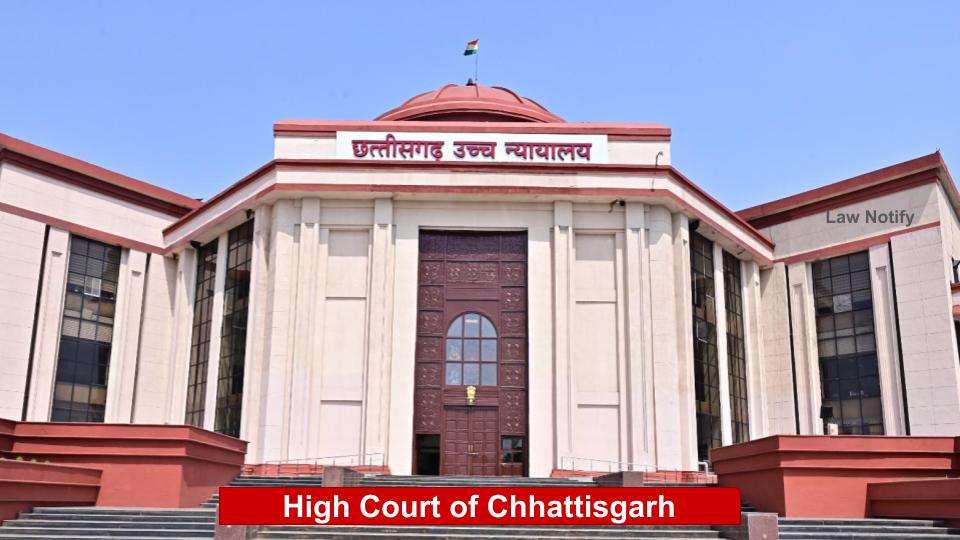
Bilaspur, July 02, 2025 : The High Court of Chhattisgarh has reaffirmed a settled principle of temple law, holding that a pujari is only a manager or grantee of temple property and cannot claim ownership or bhumiswami rights over it.
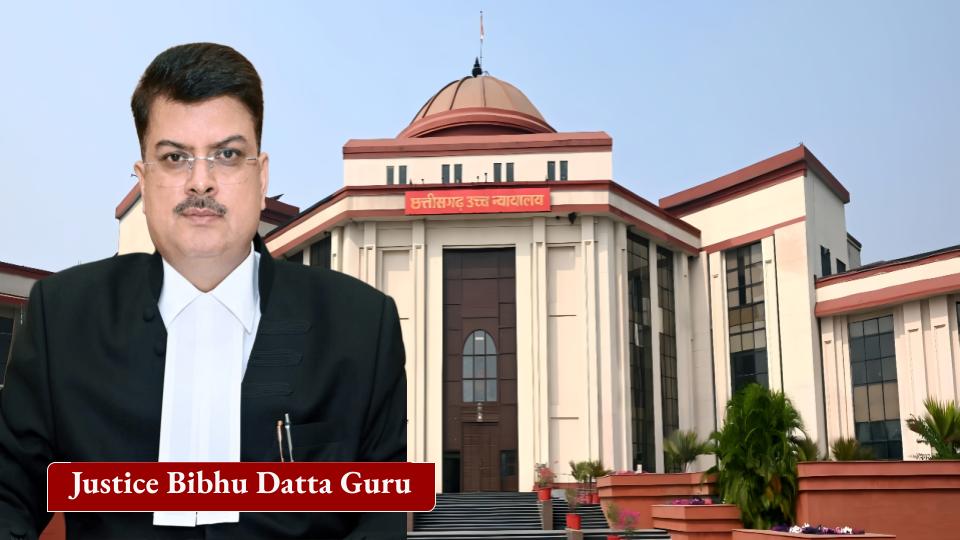
Justice Bibhu Datta Guru delivered the ruling while dismissing a writ petition filed under Article 227 of the Constitution, challenging a 2015 order of the Board of Revenue, Chhattisgarh. The petition was filed by Shri Vindhyavasini Maa Bilaimata Pujari Parishad Committee, which sought interference with earlier revenue and administrative orders concerning management rights over Vindhyavasini Temple property in Dhamtari.
The dispute traces its origins to an application filed before the Tahsildar in 2001 seeking entry of a pujarigan’s name in the records of a registered temple trust. Although the Tahsildar initially allowed the request in 2003, the decision was overturned on appeal by the Sub Divisional Officer. Subsequent challenges before the Additional Commissioner and the Board of Revenue were also rejected.
Before the High Court, the petitioner argued that the revenue authorities had failed to consider an earlier lease order of 1985 and had wrongly denied recognition of the pujari’s rights. The Court, however, found no merit in the challenge.
A crucial factor in the decision was a civil court judgment dated September 21, 1989, which had conclusively held that the Vindhyavasini Temple Trust Committee was a duly registered body since 1974 and was lawfully entrusted with management of the temple and its property. That decree was never challenged and had attained finality, the Court noted.
Justice Guru emphasized that under settled law, a pujari does not acquire proprietary rights merely by performing religious duties or by virtue of a lease or grant. A pujari’s role is limited to managing temple affairs and offering prayers, and such authority can be withdrawn in cases of mismanagement. Claiming ownership over temple land, the Court observed, would itself amount to mismanagement.
The Court also pointed out a fatal procedural flaw. The petitioner before the High Court was not the same entity that had approached the Board of Revenue. Since the present petitioner was not a party to the impugned order, it lacked the legal standing to challenge it.
Finding the Board of Revenue’s order to be reasoned, lawful, and consistent with binding civil court findings, the High Court declined to interfere and dismissed the writ petition.
Case Reference : WP227 No. 58 of 2016, Shri Vindhyavasini Maa Bilaimata Pujari Parishad Committee v. Vindhyavasini Mandir Trust Samiti; for the petitioner, Mr. Vimlesh Bajpai, Advocate; and for the respondents/State, Ms. Anand Mohan Tiwari, Advocate.