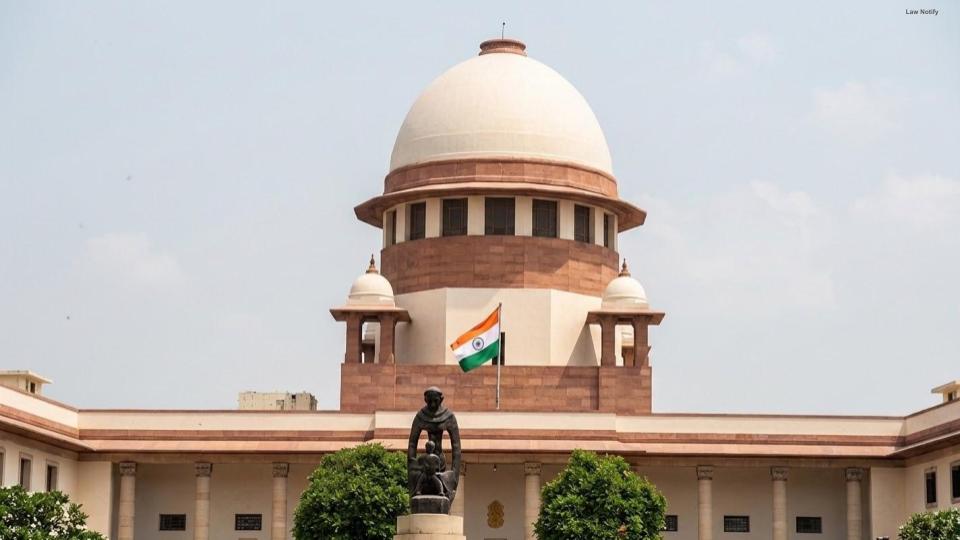
April 24, 2026 : The Supreme Court of India has clarified that accused persons in complaint cases cannot be directed by courts to surrender and apply for regular bail when there is no apprehension of arrest.
A Bench of Justice JB Pardiwala and Justice Ujjal Bhuyan held that once process is issued, the accused is only required to appear before the Magistrate in response to summons. The Court emphasised that, in the absence of a non-bailable warrant, the police have no authority to arrest the accused in such cases.
The ruling came while the Court was hearing an appeal against an order of the Jharkhand High Court, which had rejected an anticipatory bail plea in a complaint case and directed the appellant to surrender before the trial court. The Supreme Court set aside this approach, terming it legally unsustainable.
The Bench also flagged a recurring procedural issue in Bihar and Jharkhand, where accused persons in complaint cases routinely approach Sessions Courts and High Courts seeking anticipatory bail on the assumption that issuance of process under Section 204 of the Code of Criminal Procedure or the Bharatiya Nagarik Suraksha Sanhita could lead to arrest.
Rejecting this assumption, the Court held that anticipatory bail is generally unnecessary in such situations, as the police lack the power to take an accused into custody without a specific non-bailable warrant. It further ruled that directing an accused to surrender and seek regular bail in a complaint case is without jurisdiction and leads to avoidable litigation, burdening higher courts due to a misapplication of settled legal principles.
The Court also clarified that even when a Magistrate orders an inquiry under Section 202 of the Code of Criminal Procedure, such an inquiry whether conducted by police or otherwise does not authorise arrest of the accused.
While High Courts are free to reject anticipatory bail applications, the Bench made it clear that they cannot compel accused persons to surrender in complaint cases where no arrest is contemplated.
Disposing of the appeal, the Court directed its Registry to forward a copy of the order to the Registrars General of the High Courts of Bihar and Jharkhand for appropriate consideration by their respective Chief Justices.