News Citation : 2026 LN (HC) 410
The Chhattisgarh High Court has granted anticipatory bail to a 27-year-old man accused of allegedly collecting ₹1.5 lakh from a complainant on the promise of securing employment and later failing to provide the job or return the money. While extending protection from arrest, the Court observed that the applicant had no criminal antecedents and held that custodial arrest was not warranted at this stage of the proceedings.
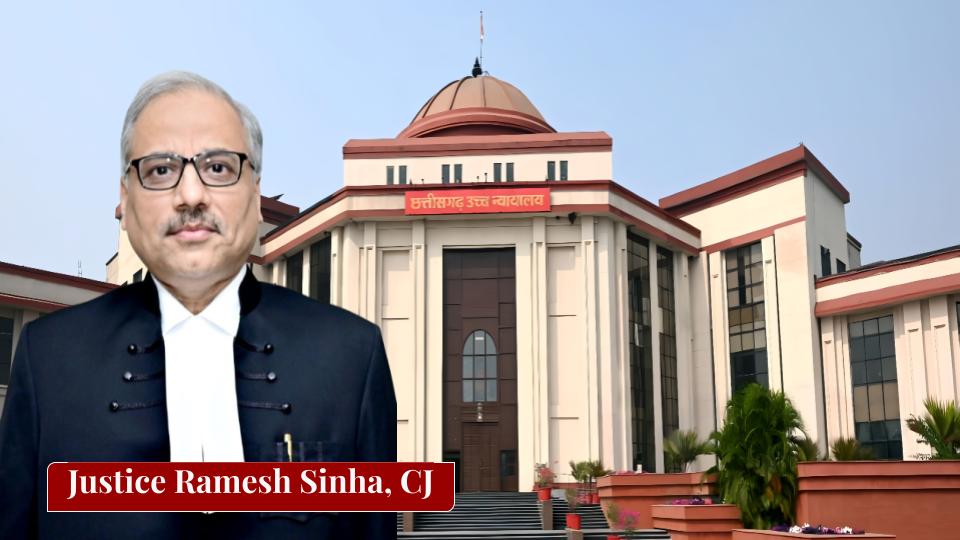
The order was passed by Chief Justice Ramesh Sinha in MCRCA No. 1199 of 2026, Sandeep Gupta v. State of Chhattisgarh on July 29, 2026. The applicant was represented by Mrs. Savita Tiwari, Advocate, while the State was represented by Mr. S.S. Baghel, Government Advocate.
According to the prosecution, Crime No. 83/2026 was registered at Ambikapur Police Station in Surguja district on the basis of a written complaint dated February 7, 2026. The complainant alleged that Sandeep Gupta accepted ₹1.5 lakh by assuring him that he would arrange a job but neither secured the employment nor refunded the money. Based on these allegations, police registered an offence under Section 318(4) of the Bharatiya Nyaya Sanhita, 2023 (BNS), which deals with cheating-related offences involving dishonest inducement.
Seeking protection from arrest, the applicant approached the High Court by filing an application under Section 482 of the Bharatiya Nagarik Suraksha Sanhita, 2023 (BNSS) for anticipatory bail. The defence argued that the applicant had been falsely implicated and emphasized that he had no previous criminal record. It was contended that the absence of criminal antecedents deserved consideration while deciding the request for pre-arrest bail.
The State opposed the plea and argued that the applicant was not entitled to anticipatory bail considering the nature of the allegations. However, after hearing both sides and examining the material available on record, the High Court found that the applicant’s clean criminal history was a relevant factor at the present stage of the case.
While refraining from commenting on the merits of the allegations, Chief Justice Ramesh Sinha observed, “Without expressing any opinion on merits, this Court is of the view that the applicant is entitled to be granted anticipatory bail in this case.” The Court clarified that its observations were limited to the bail proceedings and would not affect the trial.
The High Court directed that in the event of arrest, the applicant shall be released on anticipatory bail upon furnishing a personal bond with one surety to the satisfaction of the arresting officer. The Court imposed several conditions, including that the applicant must not threaten or influence witnesses, must not act in a manner prejudicial to a fair and expeditious trial, must appear before the trial court on every date fixed, must furnish Aadhaar-related identification documents as directed, and must not commit any offence of a similar nature during the pendency of the case.
The order highlights the settled legal principle governing anticipatory bail that the Court must balance the seriousness of the allegations with the necessity of custodial interrogation. The absence of previous criminal involvement weighed in favour of the applicant, although the criminal investigation and subsequent trial will continue in accordance with law. The decision does not amount to an acquittal or a finding on the truthfulness of the allegations but merely protects the applicant from arrest while ensuring his cooperation with the investigation and judicial proceedings.
The ruling is significant because it reiterates that anticipatory bail is intended to safeguard individual liberty where arrest is not immediately necessary, while simultaneously preserving the investigating agency’s right to conduct a fair investigation subject to conditions imposed by the Court.
Case Reference: Sandeep Gupta v. State of Chhattisgarh, MCRCA No. 1199 of 2026.