 111
111 2
2 34
34 5
5 67
67 8
8 910
910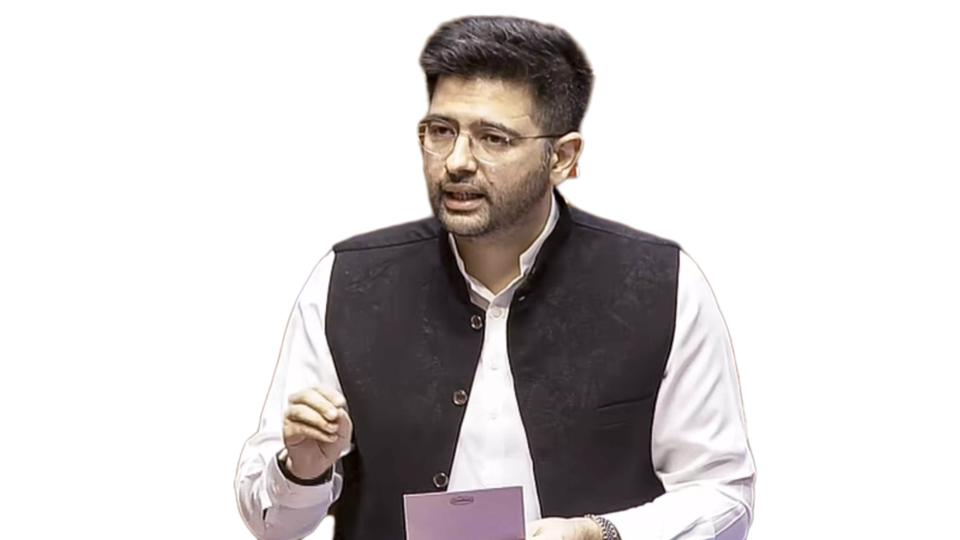
April 2, 2026 : In a move that has sparked political debate, the Aam Aadmi Party (AAP) has formally removed Raghav Chadha as its Deputy Leader in the Rajya Sabha and directed that he not be allotted speaking time from the party’s quota.
While the decision is procedurally within the party’s अधिकार, it has drawn attention due to Chadha’s consistent and articulate presence in parliamentary debates. As one of AAP’s most visible national faces, his removal is being viewed by many as a setback not just for the leader, but for robust parliamentary discourse.
Chadha has built a reputation for raising substantive issues in the Upper House. From highlighting massive stock market losses affecting investors to questioning fiscal transparency and advocating consumer protection in telecom services, his interventions have often reflected public concerns. His strong opposition to the Delhi Services Bill and emphasis on governance accountability further established him as a vocal and effective parliamentarian.
By restricting his speaking opportunities, AAP has effectively limited a prominent voice that frequently challenged the government on economic, administrative, and regulatory issues. Critics argue that such a move risks weakening internal debate within the party and reducing the diversity of viewpoints presented in Parliament.
At the same time, AAP has appointed Ashok Mittal as the new Deputy Leader. While Mittal is expected to ensure continuity, his relatively low-profile parliamentary presence contrasts with Chadha’s active engagement on national issues.
Importantly, Chadha continues to remain a Member of Parliament, and his constitutional rights remain intact. However, the curtailment of his role within party structures underscores the significant control political parties exercise over parliamentary participation through allocation of speaking time.
The development comes amid broader political recalibrations within AAP, including Chadha’s earlier exclusion from the party’s star campaigner list. Taken together, these steps suggest a deliberate internal shift, though the rationale remains unclear.
For supporters, Chadha’s sidelining raises a larger concern: whether strong, independent voices within parties are being constrained at a time when Parliament benefits most from informed and assertive debate. His track record indicates a commitment to public accountability and policy scrutiny—qualities that many believe should be encouraged rather than restricted.
As the political landscape evolves ahead of key elections, the impact of this decision on AAP’s parliamentary effectiveness and public perception will be closely watched.


