News Citation : 2026 LN (HC) 21
Bilaspur, 09 Jan. 2026 : The High Court of Chhattisgarh has dismissed a first appeal seeking specific performance of a property sale agreement, upholding a trial court’s decision that an insufficiently stamped document evidencing transfer of possession cannot be relied upon for enforcing contractual rights.
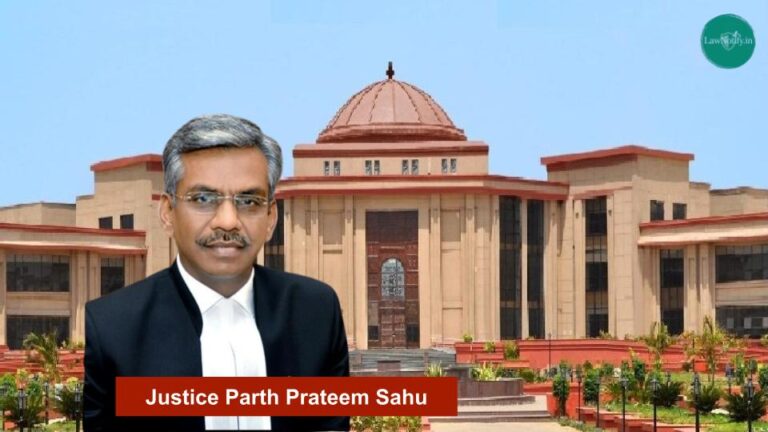
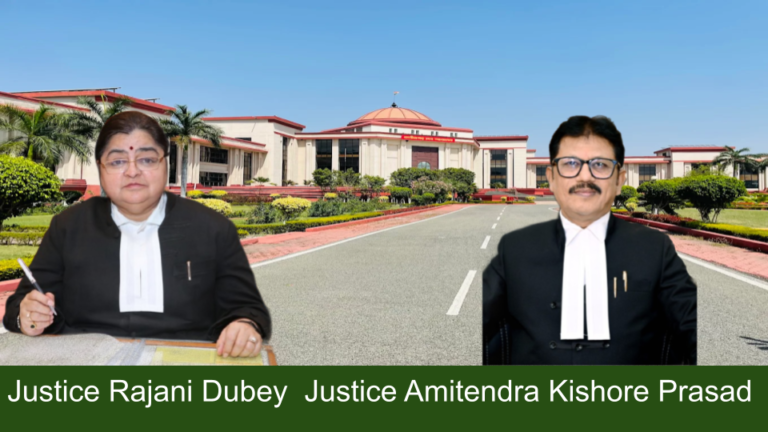
The Division Bench comprising Justice Rajani Dubey and Justice Amitendra Kishore Prasad delivered the judgment on January 9, 2026, while affirming the decree passed by the VI Additional District Judge, Bilaspur, in a civil suit filed by Swadhin Nag Chaudhary against Ajay Francis, a corporator of Ward No. 52. The appeal arose from the dismissal of a suit for specific performance of an agreement to sell immovable property situated in Torwa, Bilaspur.
The appellant had relied on an agreement dated November 26, 2013, claiming that substantial consideration had been paid through cheques and that possession of the land had already been handed over to him. He argued that the trial court committed a grave error in rejecting the agreement solely on the ground of insufficient stamp duty, contending that the document should have been impounded and referred to the Collector of Stamps for payment of deficit duty and penalty. He also maintained that he had always been ready and willing to perform his part of the contract and that it was the respondent who failed to obtain the necessary statutory permissions.
Rejecting these submissions, the High Court noted that the agreement was not a simple agreement to sell but one that expressly recorded delivery of possession and part performance. On a plain reading of its recitals and the appellant’s own admissions, the document attracted stamp duty as a conveyance under the Indian Stamp Act. Since the deficit was never cured at the trial stage despite objections being raised, the court held that the agreement was rightly treated as inadmissible in evidence under Section 35 of the Act.
The Bench also declined to accept the argument that mere marking of the document as an exhibit cured the defect. It clarified that when admissibility is kept open and finally decided against the party relying on the document, Section 36 of the Stamp Act does not come to the rescue. Relying on settled precedents of the Supreme Court of India, the High Court reiterated that an insufficiently stamped instrument cannot be acted upon for any purpose, including enforcement of rights under a contract.
On the issue of readiness and willingness, the court found no perversity in the trial court’s conclusion that the appellant failed to establish continuous readiness and willingness, a mandatory requirement under Section 16(c) of the Specific Relief Act. The judgment underlined that such readiness cannot be presumed and must be proved through consistent conduct and cogent evidence from the date of the agreement till the final adjudication.
As regards monetary relief, the High Court upheld the direction to refund Rs. 5 lakh as earnest money, which stood admitted, while refusing to interfere with the denial of the additional Rs. 2 lakh claimed by the appellant. Finding the trial court’s reasoning sound and in line with established legal principles, the Bench dismissed the appeal and affirmed the judgment without any order as to costs.
The ruling reinforces the strict approach courts continue to adopt in matters involving stamp duty and specific performance, serving as a reminder that substantive rights in property transactions cannot be enforced on the basis of documents that do not comply with statutory requirements.
Case Details: FA No. 53 of 2021, Swadhin Nag Chaudhary (S/o M.S. Nag Chaudhary) vs. Ajay Francis @ Subba
Counsel: For the Appellant – Mr. Palash Jha, Advocate; For the Respondent – Mr. Hemant Kesharwani, Advocate.