 111
111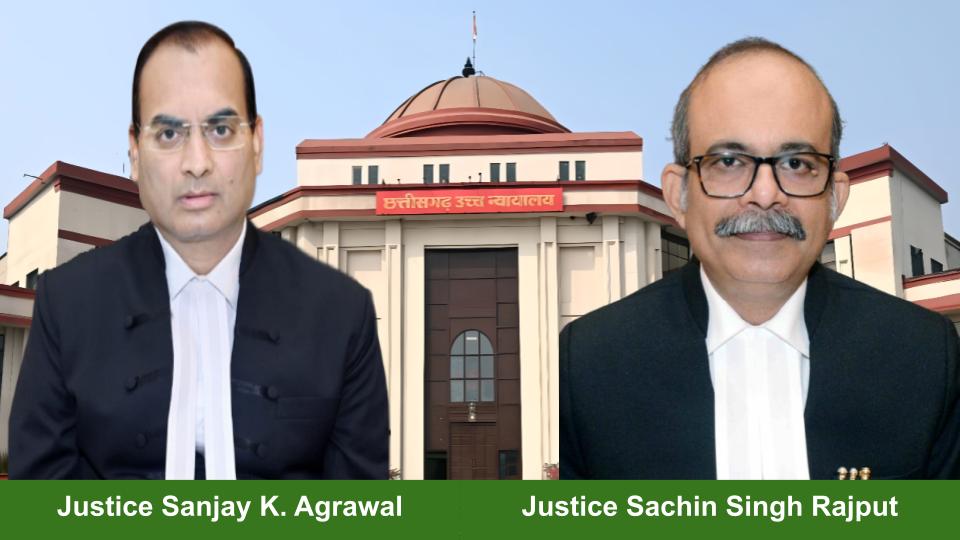 2
2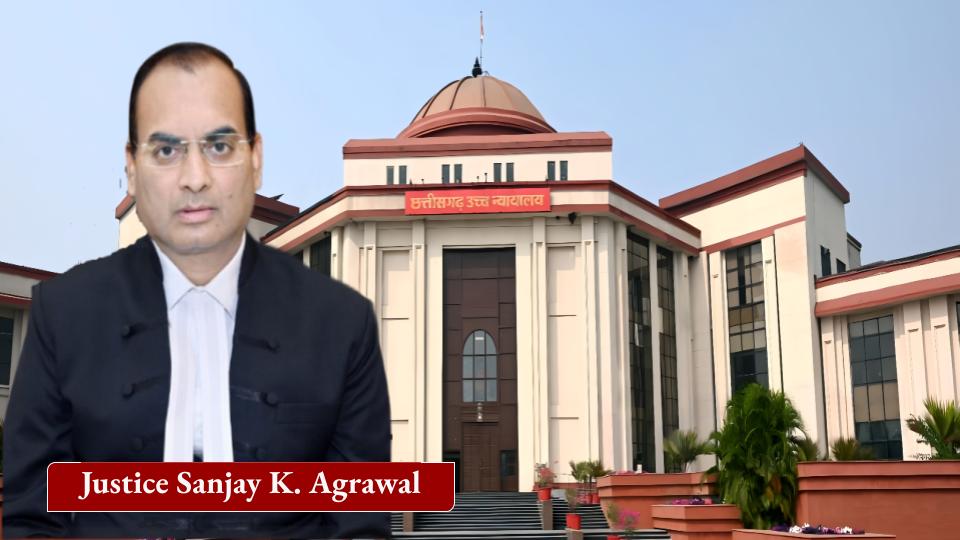 3
3 4
4 567
567 8
8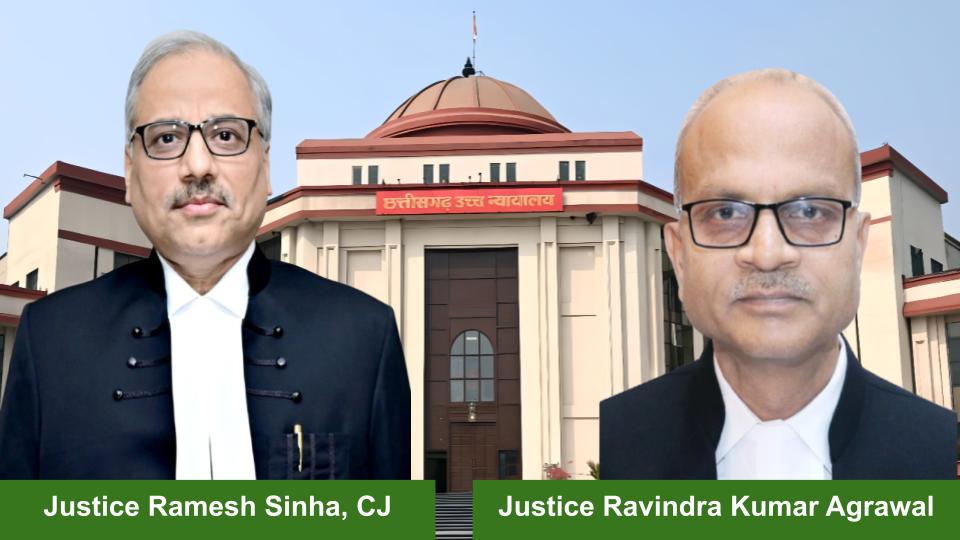 9
9 10
10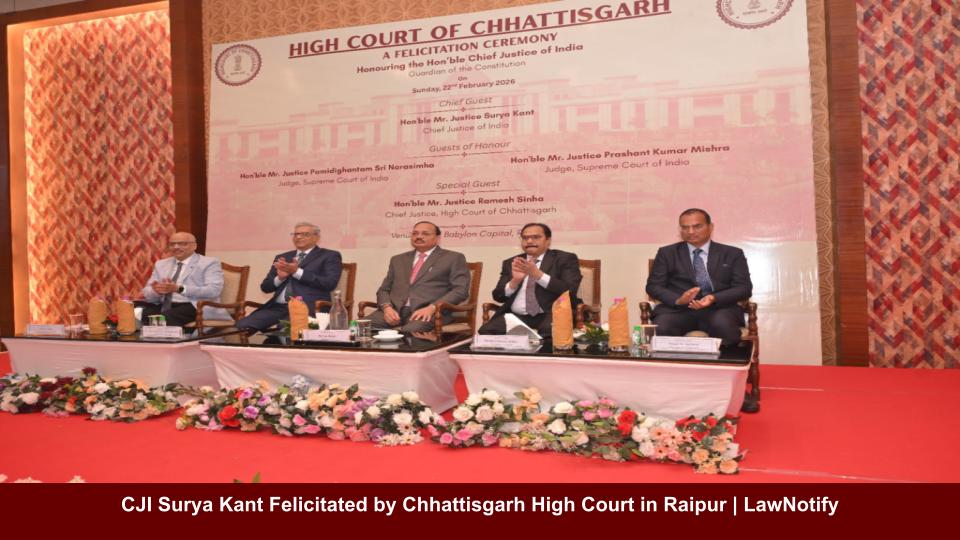
Raipur, February 22, 2026: The High Court of Chhattisgarh hosted a formal felicitation ceremony at Hotel Babylon Capital, Raipur, in honour of the Hon’ble Chief Justice of India, Surya Kant.
The programme began with a ceremonial welcome of the dignitaries. On the occasion, the Chief Justice of India digitally released the E-Souvenir 2026 of the Chhattisgarh State Judicial Academy titled “Nurturing the Future of the Judiciary.”
In his welcome address, Ramesh Sinha, Chief Justice of the Chhattisgarh High Court, described Justice Surya Kant’s commitment to constitutional values and judicial impartiality as a guiding force for the judiciary. He said the CJI’s presence was a matter of pride for the State’s judicial fraternity.
Justice Sinha noted that the E-Souvenir traces the transformative journey of the Chhattisgarh State Judicial Academy. From modest beginnings, the Academy has grown into a centre for modern legal education and judicial training. He said the publication documents not only institutional development and infrastructure growth, but also the judiciary’s transition into the digital era. He expressed confidence that the guidance shared by the Chief Justice of India would shape the future direction of judicial training and reforms in the State.
He also welcomed Justice P. S. Narasimha and Justice Prashant Kumar Mishra, acknowledging their contributions to the rule of law and judicial excellence. Justice Mishra’s continued association with the Chhattisgarh High Court, he observed, remains a source of inspiration for the Bench and Bar.
In his address, Chief Justice of India Surya Kant observed that though the Chhattisgarh High Court is among the youngest constitutional institutions in the country, its institutional growth reflects fraternity within the constitutional framework rather than hierarchy. He described such honours as moments of collective pride that enable institutions to engage in reflection as well as gratitude.
Referring to the history of the State, he noted that Chhattisgarh is often described as a microcosm of India’s diversity. The name “Chhattisgarh,” traditionally understood as the land of thirty-six forts, symbolises centres of governance and community life that stood firm because of the values they upheld.
Drawing a parallel, the Chief Justice said constitutional courts serve as the modern forts of democracy. They safeguard rights and uphold constitutional limits on power. Despite its relatively recent establishment, the Chhattisgarh High Court has already developed strong institutional standards and traditions, he said.
He emphasized that every judge must remain firm in principle, measured in conduct, and steadfast in protecting constitutional values. At the same time, he cautioned against institutional isolation, stating that the High Court must remain accessible to every region of the State, including Bastar, Surguja, and remote districts where justice is sought.
Highlighting the role of judicial education, the Chief Justice of India said a Judicial Academy is not merely a training centre but a foundational institution where constitutional culture and professional standards are shaped, particularly in a young High Court.
Concluding his address, he acknowledged the geographical and infrastructural challenges faced by the State and stressed that justice must not be denied due to distance or terrain. Institutional presence and responsiveness across regions, he said, are essential to ensure access to justice for every citizen.
The programme commenced with the welcome address by Chief Justice Ramesh Sinha and concluded with a vote of thanks delivered by Justice Sanjay K. Agrawal.
All Judges of the High Court of Chhattisgarh were present, along with Justice P. Sam Koshy, Judge of the Telangana High Court, the Principal Secretary (Law), Registrar General, officers of the Registry, Director and officers of the Chhattisgarh State Judicial Academy, Judicial Officers of District Raipur, and staff members of the High Court.