 111
111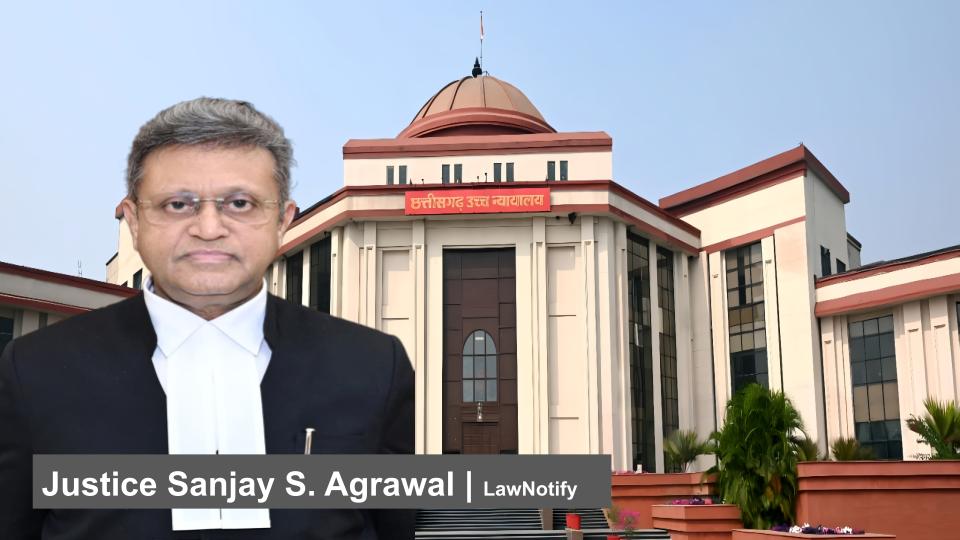 2
2 3
3
August 29, 2001 : The Chhattisgarh High Court, speaking through Justice R.S. Garg, has set a clear rule for criminal trials: statements recorded during an inquest under Section 174 of the Code of Criminal Procedure are previous statements and, subject to limited exceptions, must be produced to the accused. The court found that refusing to allow those statements into the trial record would risk unfairness and permit the prosecution to suppress material that may help the defence.
The petition arose after the Third Additional Sessions Judge at Jagdalpur rejected an application under Section 91 CrPC seeking production of all material collected during an inquest. The trial court had held that only documents the prosecution intended to rely on needed to be filed with the charge sheet, and that statements from an inquest under Section 174 were not required to be produced. The High Court reviewed the statutory scheme and relevant precedent, disagreed, and quashed the trial court’s order.
Justice Garg’s judgment explains the interplay between Sections 174, 161 and 162 of the CrPC and Section 145 of the Indian Evidence Act. Section 174 requires police to inquire into suspicious deaths and permits recording of statements during the inquest. Sections 161 and 162 govern statements taken during investigation and treat written or reduced-to-writing accounts as previous statements that can be used to contradict a witness at trial. Section 145 of the Evidence Act allows cross-examination on previous written statements. The High Court held that these inquest statements fall squarely within that framework and can be used to test witness credibility.
The court rejected the idea that the prosecution may withhold previous statements simply because it does not intend to rely on them. Doing so, the court said, would allow judicial arbitrariness and prejudice the accused. The High Court directed the prosecution to produce every document created during the inquest, inquiry or investigation except the daily diary of the investigating officer. That limited exception preserves internal police recordkeeping while ensuring defendants have access to materials that bear on witness statements and the formulation of the prosecution case.
This decision underscores a practical point for criminal practitioners. Defence counsel may insist on production of prior statements taken during inquests and investigations to identify contradictions or omissions and to test witness reliability. Prosecutors and investigating officers should therefore be prepared to disclose such material at the earliest stage to avoid later objections and appeals. Courts must balance investigative confidentiality with the accused’s right to a fair trial, but this judgment emphasizes that blanket withholding of previous statements is not acceptable.
The Chhattisgarh High Court allowed the revision and set aside the trial court’s order. The ruling reinforces that documents created in the course of an inquest are not mere internal paperwork; they are potential tools for truth-finding and must normally be placed before the trial court.
Case Details : Criminal Revision No. 287/2001, Santosh vs. State of Chhattisgarh
Counsels: For Appellant/Petitioner/Plaintiff: R.N. Jha, Adv. For Respondents/Defendant: Ranveer Singh, Govt. Adv.