 111
111 2
2 34
34 5
5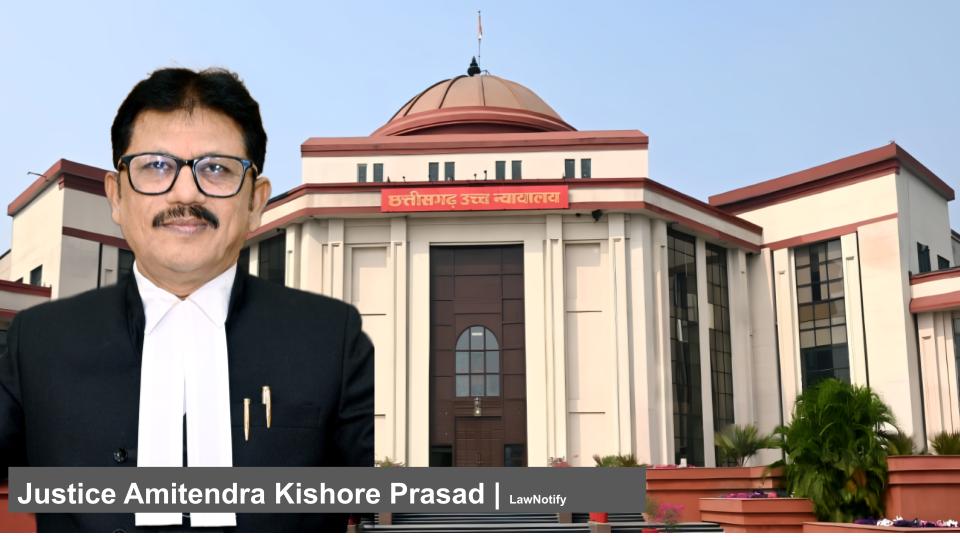 67
67 8
8 910
910
April 24, 2002 : The Chhattisgarh High Court has refused to widen a locally focused election challenge after concluding the relief the petitioner had sought was already granted and exhausted. In an order delivered by Justice Fakhruddin, the court said the petitioner’s request had been limited, from the start, to recounting votes at a single polling booth. Because that prayer had been allowed, carried out, and did not change the outcome, the court found no grounds to order recounts at neighboring booths.
The dispute began when the petitioner complained to the Sub-Divisional Officer in Ambikapur that the count at booth number 59 in Kunwarpur Gram Panchayat was incorrect. The petitioner asked specifically for a recount at that booth and for the election declaring the respondent victorious to be set aside. The Sub-Divisional Officer directed that only booth 59 be recounted, and the recount was held on November 14, 2000. The result stood, and the petitioner remained unsuccessful.
Before the High Court, the petitioner argued that booths 58 and 60 should also be recounted. The respondent pointed out that those requests were not included in the original petition filed with the Sub-Divisional Officer. The court agreed, noting that election petitions must plead all material facts and the specific relief sought, in line with the statutory rules governing panchayat election challenges.
The judgment also applied the well established principle that the secrecy of the ballot is a fundamental democratic safeguard. The court referenced precedent holding that recounts may be ordered only when a petitioner, at the threshold, can show a prima facie case that justifies breaking ballot secrecy. On the facts before the court, the only pleaded ground was for booth 59, which had already been examined. There was no averment about booths 58 or 60 in the original petition, and the court therefore declined to expand the scope of the remedy after the fact.
The High Court dismissed the petition and imposed costs, including a counsel fee of Rs. 500 if certified. The ruling underscores two basic points for election challenges in local body contests. First, petitions must set out with clarity every ground and the precise relief sought at the time the petition is filed. Second, courts will be cautious before authorizing measures that encroach on ballot secrecy, and they will require a clear prima facie showing before ordering recounts beyond what was originally pleaded.
For candidates and advisers, the takeaway is practical. If there is reason to suspect counting errors at more than one booth, those concerns should be pleaded at the outset. Asking for additional recounts only after a recount has failed to change the outcome is unlikely to persuade a court, especially where the statutory framework and established case law prioritize preserving secrecy and finality in the electoral process.
Case Details : Writ Petition No. 132/2000, Sainath Singh vs. Bhagwat Prasad and Ors.