 111
111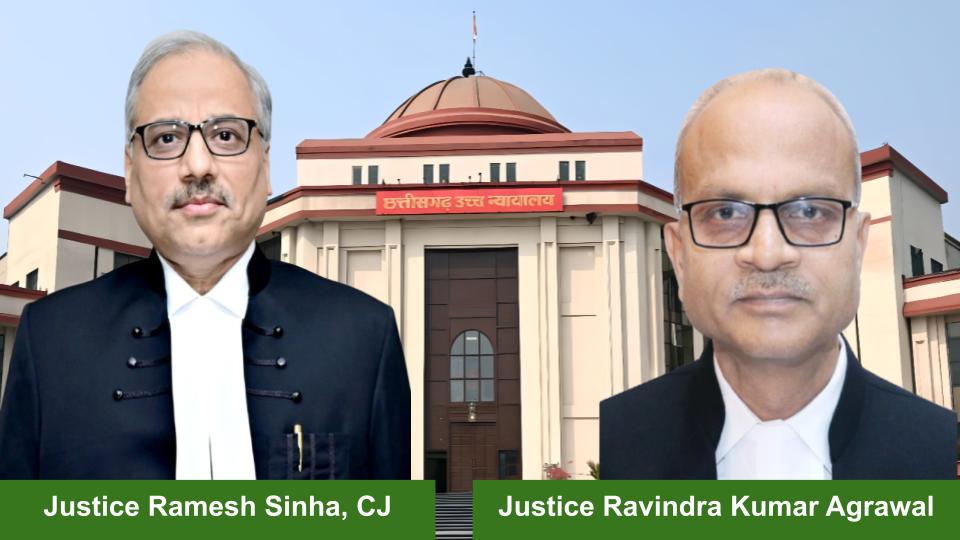 2
2 345
345 67
67 89
89 10
10 April 8, 2026 : The Chhattisgarh High Court on Wednesday expressed serious concern over the increasing number of wildlife deaths, particularly elephants, due to electrocution across the state.
A division bench comprising Chief Justice Ramesh Sinha and Justice Ravindra Kumar Agrawal was hearing a Public Interest Litigation (PIL) seeking accountability from the state authorities over the alarming trend.
During the hearing, intervener Nitin Singhvi, a resident of Raipur, placed on record multiple media reports highlighting a series of tragic incidents reported in March 2026. These reports pointed to repeated cases of elephants and other wildlife dying after coming into contact with live electric wires.
Taking note of the issue, the court directed the Additional Chief Secretary of the Forest and Climate Change Department to file a detailed affidavit. The affidavit must explain the circumstances leading to these deaths and outline the preventive measures currently in place.
The petition described several disturbing incidents that occurred within a short span of time. It also highlighted that the problem is not limited to wildlife alone. In Sarangarh-Bilaigarh, a youth lost his life after coming into contact with an electrified trap set for wild boars, while another person died in Mainpat due to a live wire.
The root of the crisis, as pointed out in the petition, lies in two major factors—crop protection and poaching. Farmers living near forest areas often install illegal electric fencing to safeguard their crops, while poachers use live-wire traps to kill animals for meat and illegal trade.
The plea further alleged serious negligence on the part of both the forest and electricity departments. Wildlife experts have warned that elephants are especially at risk due to their long migratory routes in search of food and water, which often bring them into contact with such hazardous setups.
The High Court has now asked the state government to clearly state the reasons behind these recent deaths, the action taken against those responsible, and a concrete plan to prevent such incidents in the future.
The matter will be taken up again on May 5, 2026, by which time the state government has been directed to submit its response.