 1112
1112 3
3 4
4 5
5 678
678 9
9 10
10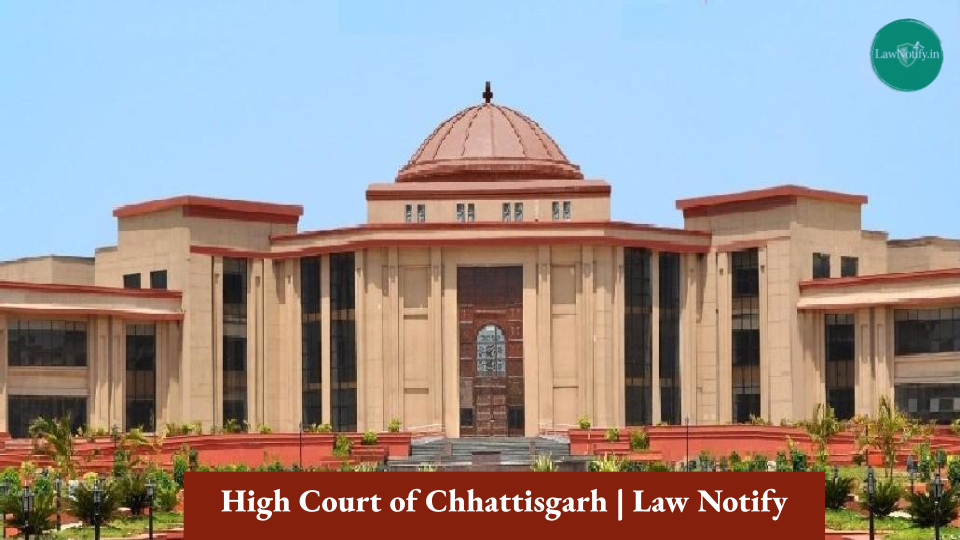
News Citation : 2026 LN (HC) 68
Bilaspur, January 23, 2026 : The High Court of Chhattisgarh at Bilaspur has set aside an order of the Customs, Excise and Service Tax Appellate Tribunal (CESTAT) that allowed Bharat Aluminium Company Limited (BALCO) to claim CENVAT credit on supplementary invoices issued by South Eastern Coalfields Limited (SECL), and has remanded the matter to the tribunal for fresh adjudication.
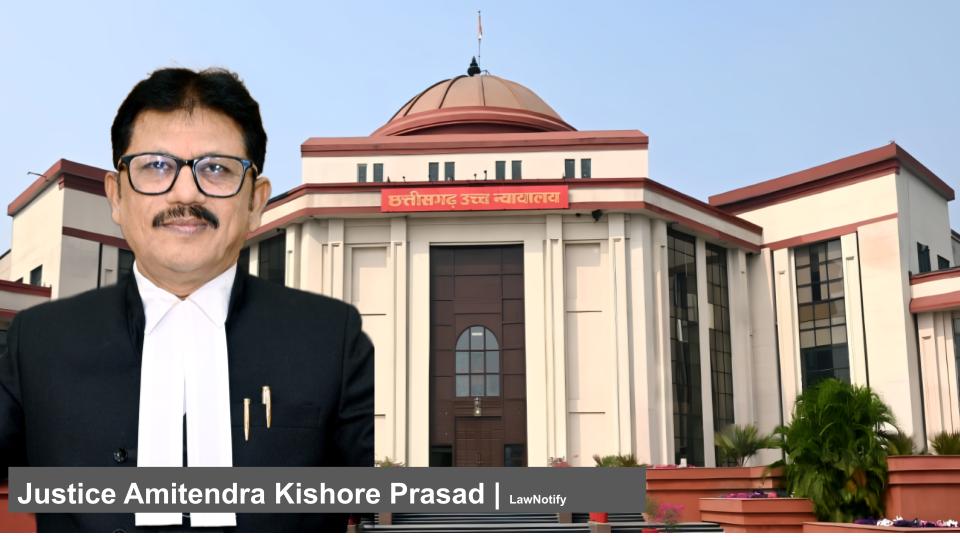
A Division Bench of the High Court of Chhattisgarh, comprising Justice Sanjay S. Agrawal and Justice Amitendra Kishore Prasad, held that the tribunal failed to deal with key findings recorded by the adjudicating authority and did not pass a reasoned and speaking order. The court stressed that appellate bodies are required to address determinative issues on facts and law, particularly when reversing a detailed order passed by the Commissioner.
The dispute arose from BALCO’s availment of CENVAT credit on supplementary invoices raised by SECL after it paid differential central excise duty on coal supplies. The duty demand against SECL related to the alleged undervaluation of coal due to exclusion of statutory levies such as royalty and other charges from the assessable value. Following confirmation of the demand and imposition of penalty against SECL, BALCO claimed credit on the supplementary invoices issued for the differential duty.
The tax department objected, invoking Rule 9(1)(b) of the CENVAT Credit Rules, 2004, which bars credit on supplementary invoices where additional duty becomes recoverable due to fraud, suppression of facts, or intent to evade duty by the supplier. The Commissioner disallowed the credit and imposed interest and penalty, concluding that the statutory bar applied.
On appeal, the tribunal had allowed BALCO’s claim, relying largely on earlier decisions and the pendency of related valuation issues before the Supreme Court. The High Court found this approach inadequate, observing that the tribunal did not analyze whether the conditions under Rule 9(1)(b) were attracted in the present case, nor did it confront the detailed reasoning in the Order-in-Original.
Citing Supreme Court precedents on the necessity of reasoned orders, the High Court ruled that judicial and quasi-judicial decisions affecting rights must disclose clear reasons. It therefore set aside the tribunal’s order and remanded the appeal to CESTAT with directions to reconsider the matter on merits, address all findings of the Commissioner, and pass a reasoned order after granting opportunity of hearing to the parties. The court clarified that it expressed no opinion on the merits of the tax dispute itself.
Case Reference : TAXC No. 83 of 2019: The Principal Commissioner, CGST and Central Excise v. M/s Bharat Aluminium Company Limited; Counsel for the Appellant: Mr. Ashutosh Singh Kachhawaha, Advocate, assisted by Ms. Shruti Parmar, Advocate; Counsel for the Respondent: Mr. Bhishma Ahluwalia, Advocate.