 111
111 2
2 34
34 5
5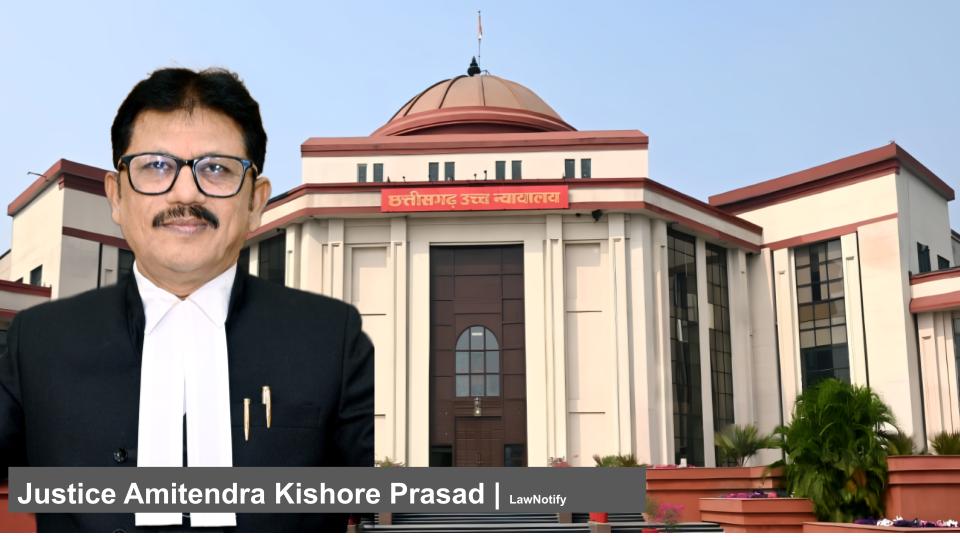 67
67 8
8 910
910
News Citation : 2026 LN (HC) 92 | 2026:CGHC:516
January 06, 2026 : The Chhattisgarh High Court has dismissed a criminal appeal filed by a man convicted of raping a physically and mentally disabled woman, affirming the 10-year rigorous imprisonment imposed by a Fast Track Court in Janjgir-Champa district.
The appeal was heard by Justice Naresh Kumar Chandravanshi, who upheld the conviction of Gangaram Jangade under Section 376(2)(l) of the Indian Penal Code. The provision deals with aggravated rape, including cases involving women with disabilities. The trial court had sentenced the accused to the statutory minimum punishment of 10 years’ imprisonment along with a fine of ₹5,000.
According to the prosecution, the incident occurred on 28 July 2022 when the victim had gone outside her home to relieve herself near a canal. The accused allegedly gagged her mouth, threw her to the ground, and raped her. On hearing her screams, the victim’s mother and aunt rushed to the spot, after which the accused fled. A complaint was lodged the same evening, leading to registration of an FIR and the accused’s arrest.
During the trial, the prosecution examined eight witnesses, including the victim, her mother, and her aunt. Medical and forensic evidence was also placed on record. Although the medical examination did not reveal internal injuries or the presence of semen in the victim’s samples, a scratch injury was found on her neck, which the court accepted as consistent with the prosecution’s version. Semen and spermatozoa were detected on the accused’s underwear.
The defence challenged the conviction primarily on procedural grounds, arguing that the victim’s testimony was unreliable because she was physically and mentally impaired. It was contended that her deposition should have been recorded with the assistance of an interpreter or special educator and videographed, as contemplated under Section 119 of the Evidence Act. The defence also pointed to alleged contradictions in witness statements and the lack of independent eyewitnesses.
Rejecting these arguments, the High Court held that the victim was neither deaf nor dumb nor of unsound mind. The court noted that while the victim had difficulty expressing herself clearly, she was capable of understanding questions and giving rational answers. In such circumstances, the statutory requirement of recording evidence through an interpreter or videography did not arise.
The court further reiterated settled Supreme Court jurisprudence that a conviction for rape can rest on the sole testimony of the prosecutrix if it inspires confidence. Minor inconsistencies, absence of injuries, or lack of forensic corroboration are not fatal where the overall evidence is credible. The High Court found the victim’s account to be trustworthy and sufficiently supported by surrounding circumstances and witness testimony.
Finding no perversity or legal infirmity in the trial court’s judgment, the High Court dismissed the appeal and directed the accused, who has been in custody since July 2022, to serve the remainder of his sentence.
Case Reference : CRA No. 1051 of 2023, Gangaram Jangade v. State of Chhattisgarh; Counsels: For the Appellant: Mr. Hemant Kumar Agrawal, Advocate; For the Respondent/State: Mr. Shailesh K. Puriya, Panel Lawyer; For the Objector: Mr. Udho Ram Koshaley, Advocate.