 111
111 23
23 4
4 5
5 6
6 789
789 10
10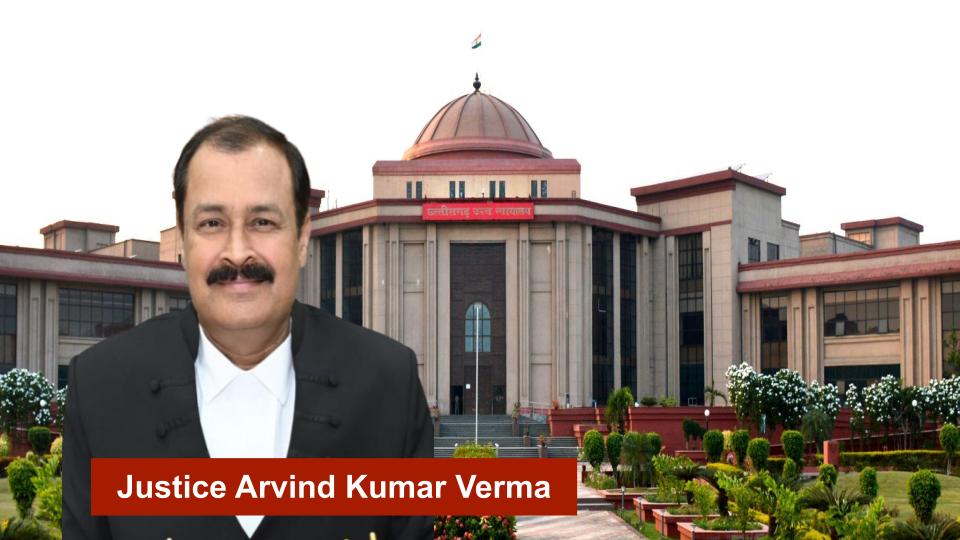
News Citation : 2026 LN (HC) 160 | 2026:CGHC:9155
February 20, 2026 : In a significant ruling, Justice Arvind Kumar Verma of the High Court of Chhattisgarh at Bilaspur has upheld the conviction of 23-year-old Nilesh Raniwal for abetment of suicide and criminal intimidation in the death of college student Shweta Sahu. The court dismissed his criminal appeal and affirmed the seven-year rigorous imprisonment awarded by the trial court.
The judgment, delivered on February 20, 2026, in Criminal Appeal No. 2117 of 2024, confirmed the September 28, 2024 conviction by the Additional Sessions Judge, Dongargarh. Raniwal had been sentenced to seven years’ imprisonment under Section 306 of the Indian Penal Code for abetment of suicide and six months under Section 506 for criminal intimidation.
According to the prosecution, Shweta Sahu consumed poison on February 1, 2022, after allegedly being subjected to sustained harassment by the accused. She had told her family that Raniwal had edited and circulated her photographs on Telegram and threatened to kill her family if she approached the police.
She was first taken to a local hospital and later shifted to Dr. B.R. Ambedkar Memorial Hospital in Raipur. Despite treatment, she died on February 8, 2022.
Before her death, an Executive Magistrate recorded her dying declaration at the hospital. A suicide note recovered from her was later confirmed through forensic examination to be in her handwriting.
The defence challenged the conviction on several grounds. It pointed to a delay of nearly four months in lodging the FIR, argued that the photographs were not proven to be obscene, and questioned the reliability of the dying declaration. It also contended that there was no direct or proximate instigation that could legally amount to abetment of suicide.
The appellant relied on several Supreme Court rulings to argue that mere harassment, without a clear act of instigation and a proximate link to the suicide, does not meet the threshold required under Section 306 IPC.
The High Court examined the medical evidence, suicide note, dying declaration, and testimonies of 22 prosecution witnesses. It concluded that Shweta’s death was clearly suicidal and caused by poisoning.
The court placed significant reliance on her dying declaration, holding that it was recorded after certification of her fitness and that nothing substantial was elicited in cross-examination to discredit it. It also found that the suicide note and electronic evidence corroborated the prosecution’s case.
The bench observed that the consistent testimony of her parents and relatives, combined with forensic reports and digital evidence, established a “clear, proximate, and live nexus” between the accused’s conduct and the suicide. It held that editing and circulating photographs along with issuing threats amounted to sustained mental harassment sufficient to constitute abetment under Section 306 IPC.
Finding no perversity or legal error in the trial court’s appreciation of evidence, the High Court dismissed the appeal and directed that the appellant continue serving his remaining sentence.
Case Referecne : CRA No. 2117 of 2024, Nilesh Raniwal vs State of Chhattisgarh; Counsel for the Appellant: Mr. B.P. Singh, Advocate; Counsel for the Respondent/State: Mr. Ajit Singh, Government Advocate.