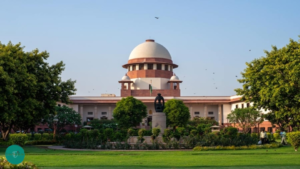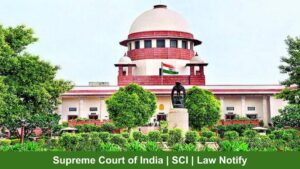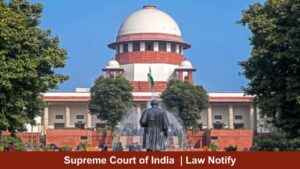
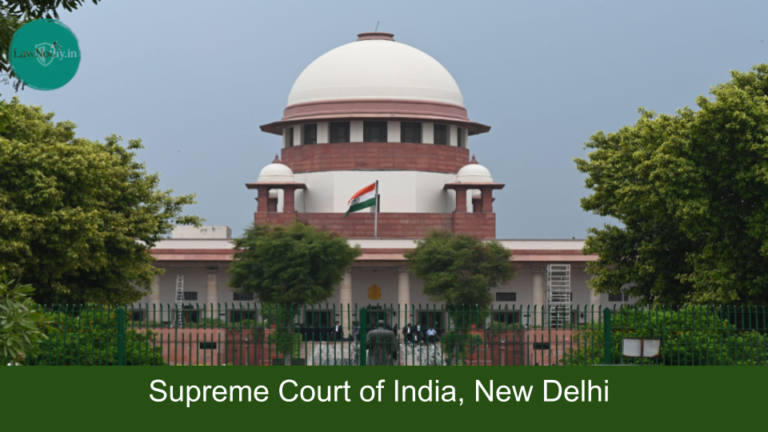
The Delhi Police told the Supreme Court on Friday that the trial in the Delhi riots “larger conspiracy” case can be completed within two years, but only if the accused cooperate. Additional Solicitor General SV Raju made the statement before a bench of Justice Aravind Kumar and Justice NV Anjaria, which is hearing the bail pleas of several accused booked under the Unlawful Activities Prevention Act.
The petitions have been filed by Umar Khalid, Sharjeel Imam, Gulfisha Fatima, Meeran Haider, Shifa-Ur-Rehman, Mohd Saleem Khan and Shadab Ahmad. All of them have been in custody for more than five years.
During the hearing, the ASG said the trial is moving slowly because the accused have not finished presenting their arguments on charge. He walked the bench through the Delhi Police counter-affidavit and pointed to evidence the agency says supports the conspiracy charges.
Raju highlighted Sharjeel Imam’s speeches calling for blocking the “chicken neck” corridor that links the Northeast to the rest of India. He said these speeches fall under the definition of a “terrorist act” in Section 15 of the UAPA because they encourage disruption of essential supplies. The court had watched video clips of these speeches a day earlier.
On Umar Khalid, the ASG referred to a previous case involving the “Bharat tere tukde honge” remark and claimed he created WhatsApp groups with Muslim students to plan the riots. He argued that several others, including Tahir Hussain, Meeran Haider, Shifa-Ur-Rehman and Gulfisha Fatima, helped raise money for the alleged conspiracy and that the Enforcement Directorate is tracing the money trail.
Raju also relied on Section 10 of the Evidence Act, saying that anything done by one member of a conspiracy counts as evidence against all others. He stressed that delay in trial cannot by itself be grounds for bail in UAPA cases.
According to him, the protests against the Citizenship Amendment Act were not peaceful sit-ins but a coordinated attempt aimed at “regime change,” timed with the visit of US President Donald Trump. He claimed those involved carried sticks and acid bottles and intended to paralyse the government.
Arguments will continue on Monday.
The day before, the police had told the court that the accused are being portrayed as “intellectuals” outside the courtroom, but in their view they are “educated terrorists.” The ASG said the protests were planned on WhatsApp groups such as the Delhi Protest Support Group and the Jamia Awareness Campaign Team.
Senior lawyers Siddharth Dave, Kapil Sibal and Dr Abhishek Manu Singhvi, appearing for the accused, said the prosecution is relying on selective clips and argued that no evidence has surfaced in five years showing that their clients instigated violence. They pointed out that the trial has not started despite the long custody period.
The bail petitions challenge a Delhi High Court ruling from September 2 that denied relief. Other accused in the case include Tahir Hussain, Khalid Saifi, Ishrat Jahan, Asif Iqbal Tanha, Safoora Zargar, Athar Khan, Devangana Kalita and Natasha Narwal. Some of them have already been granted bail.
The case stems from the communal violence that broke out in Northeast Delhi in February 2020. The accused were active in the anti-CAA protests of 2019-2020 and are charged with planning the “larger conspiracy” behind the riots.
Case references:
- Umar Khalid v. State of NCT of Delhi | SLP(Crl) 14165/2025
- Gulfisha Fatima v. State (Govt. of NCT Delhi) | SLP(Crl) 13988/2025
- Sharjeel Imam v. State NCT of Delhi | SLP(Crl) 14030/2025
- Meeran Haider v. State NCT of Delhi | SLP(Crl) 14132/2025
- Shifa-Ur-Rehman v. State NCT of Delhi | SLP(Crl) 14859/2025
- Mohd Saleem Khan v. State of NCT Delhi | SLP(Crl) 15335/2025
- Shadab Ahmed v. State of NCT Delhi | SLP(Crl) 17055/2025