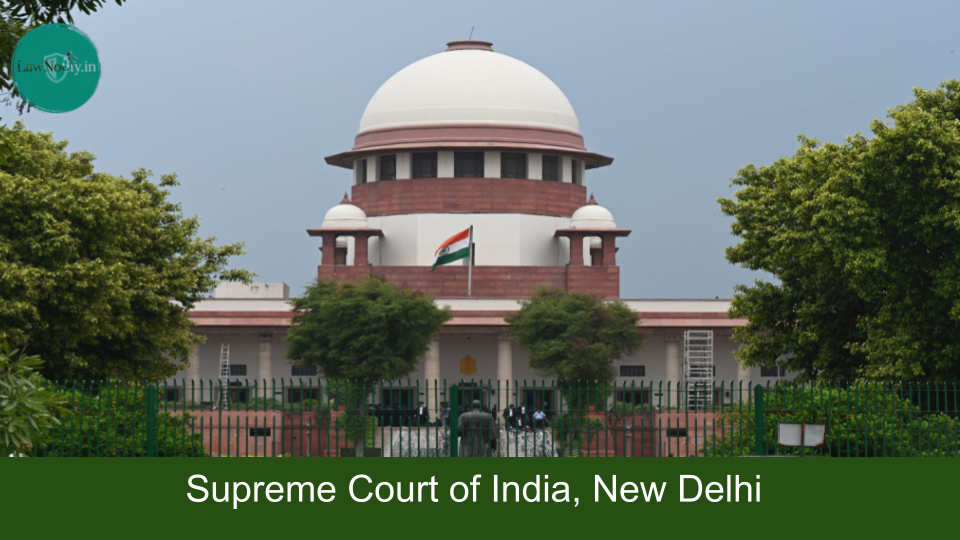
The producers of the Tamil film Jana Nayagan, starring actor Vijay, have approached the Supreme Court of India challenging an interim order of the Madras High Court that stalled the film’s certification process.
KVN Productions LLP has filed a Special Leave Petition questioning a January 9 order of a Division Bench that stayed relief earlier granted by a single judge of the High Court. The issue has drawn significant attention as Jana Nayagan is being promoted as Vijay’s final film before his full-time political entry through the Tamilaga Vettri Kazhagam, and was slated for release during the Pongal festival on January 9, 2026.
The dispute traces back to proceedings before the Central Board of Film Certification. An Examining Committee of the CBFC’s Chennai Regional Office had recommended a U/A 16+ certificate for the film, subject to minor edits. According to the producers, those edits were duly carried out and the revised version was resubmitted. While the Regional Office reportedly confirmed certification, technical issues delayed the formal upload of the final version.
The situation changed after one member of the Examining Committee lodged a complaint, alleging that certain scenes could offend religious sentiments and included depictions of defence forces that warranted further scrutiny. Acting on this complaint, the CBFC Chairperson referred the film to a Revising Committee under Rule 24 of the Cinematograph (Certification) Rules, 1983, despite the earlier recommendation.
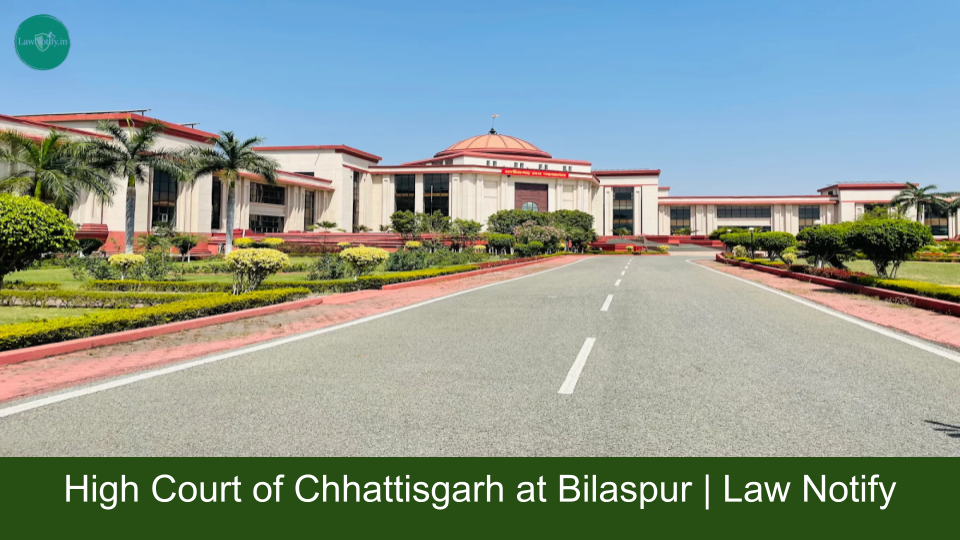
A single-judge Bench of the Madras High Court intervened, directing the CBFC to grant certification without further delay. The court held that the Chairperson’s suo motu referral to a Revising Committee was procedurally unsustainable, particularly after the filmmakers had complied with all suggested changes. The order also noted that the producers had a legitimate expectation of timely certification and that prolonged delays could infringe their right to carry on business under Article 19(1)(g) of the Constitution.
However, later the same day, a Division Bench headed by Chief Justice M M Shrivastava stayed the single-judge order. The Bench observed that the Union government and the CBFC had not been given sufficient opportunity to place their case on record, and adjourned the matter for further hearing, effectively throwing the film’s release plans into uncertainty.
In its appeal before the Supreme Court, KVN Productions argues that the Division Bench’s stay undermines the statutory framework of the Cinematograph Act, 1952, and unjustifiably curtails the filmmakers’ fundamental rights. The apex court is now expected to consider whether the CBFC Chairperson acted beyond jurisdiction by ordering a Revising Committee review after provisional clearance, and whether the High Court’s interim stay was warranted. The outcome could have wider implications for the balance between regulatory oversight, creative freedom, and timely film certification in India.