March 13, 2026 : The conflict in the Middle East intensified on Friday as leaders of Iran, Israel and the United States issued strong warnings and signaled that the war would continue. The fighting, now approaching two weeks, has already claimed thousands of lives, displaced millions of people and triggered instability in global financial markets.
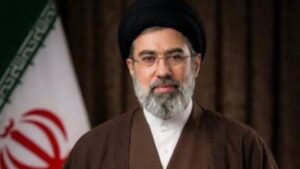
Iran’s newly appointed Supreme Leader, Mojtaba Khamenei, released his first public remarks since assuming the role. His statement, delivered through a television presenter rather than in person, vowed that Iran would keep the Strait of Hormuz closed and warned neighboring countries hosting U.S. military bases that they should shut them down or risk becoming targets.
“I assure everyone that we will not neglect avenging the blood of your martyrs,” Khamenei said in the statement, reinforcing Iran’s hardline stance amid the ongoing conflict.
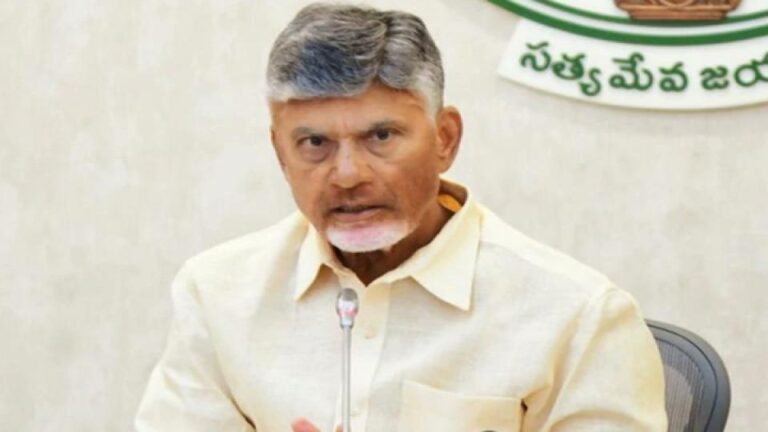
Meanwhile, Israeli Prime Minister Benjamin Netanyahu held his first press conference since the United States and Israel began airstrikes on Iran on February 28. Speaking through a video link, Netanyahu defended the military campaign and issued a veiled threat against Iran’s leadership.
He said Israel was working to create conditions that could eventually lead to the collapse of Iran’s ruling system, though he acknowledged that such change would ultimately have to come from within the country.
“We are creating the optimal conditions for toppling the regime,” Netanyahu said, adding that Israel was assisting efforts to weaken the Iranian government.
The continuing conflict has raised fears of a severe disruption to global energy supplies. Oil prices surged by around 9% on Thursday, reaching roughly $100 per barrel, as concerns grew about the closure of the Strait of Hormuz, a crucial route through which about one-fifth of the world’s oil normally flows.
Rising oil prices have also shaken financial markets. The S&P 500 recorded its largest three-day decline in a month, while Asian stock markets also faced pressure on Friday.
In an attempt to stabilize energy markets, the United States issued a temporary 30-day license allowing countries to purchase Russian oil and petroleum products currently stranded at sea.
U.S. Treasury Secretary Scott Bessent described the rise in oil prices as a short-term disruption that could ultimately benefit the U.S. economy.
President Donald Trump echoed that view, saying the United States — as the world’s largest oil producer stands to gain financially from higher oil prices. He emphasized that preventing Iran from acquiring nuclear weapons remained the top priority.
Trump’s remarks, however, drew criticism from opposition Democrats, who accused him of downplaying the human cost of the war. They also demanded greater transparency from the administration about civilian casualties, including a strike that reportedly killed dozens of children at a girls’ school in Iran.
The U.S. government has yet to provide a detailed estimate of the war’s potential cost or duration, and officials have offered differing explanations for the decision to launch military action.
The conflict has already caused heavy casualties across the region. More than 2,000 people have been reported killed, the majority in Iran. In Lebanon, nearly 700 people have died as Israeli forces intensified operations against the Iran-backed Hezbollah group, including strikes in central Beirut and evacuation orders in parts of southern Lebanon.
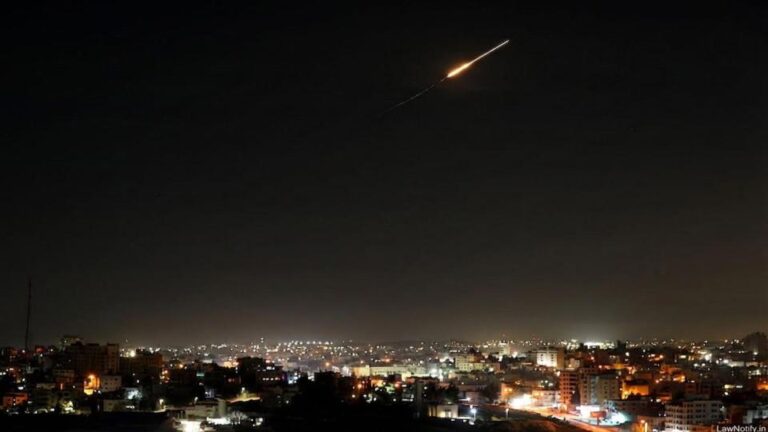
Drones have also been detected flying into Kuwait, Iraq, the United Arab Emirates, Bahrain and Oman, raising concerns about the widening reach of the conflict despite U.S. and Israeli claims that Iran’s long-range weapons capability had been largely destroyed.
In Iraq, U.S. Central Command reported that rescue operations were underway after a refueling aircraft crashed following an incident involving another aircraft. The military said the crash was not caused by hostile or friendly fire, although the Iran-aligned group Islamic Resistance in Iraq claimed responsibility.
Elsewhere in northern Iraq, French President Emmanuel Macron confirmed that one French soldier was killed and several others wounded during an attack on a military base. An Italian base in the same region was also targeted earlier.
Tensions have also spread to maritime routes. Two tankers were set on fire in Iraq’s Basra port earlier this week after being struck by suspected Iranian explosive boats, while several other ships have been attacked in waters near the Strait of Hormuz.
Inside Iran, residents say security forces have increased their presence across major cities.
“Security forces are everywhere, more than before. People are afraid to come out, but supermarkets are open,” said Majan, a teacher in Tehran.
Israel and the United States have urged the Iranian public to rise up against the country’s clerical leadership. While many Iranians are believed to favor political change, there have been no clear signs of organized protests since the war began.
Iranian officials have suggested their strategy now is to trigger prolonged economic pressure by disrupting global energy supplies. A spokesperson for Iran’s military command warned that oil prices could climb as high as $200 per barrel.
U.S. Energy Secretary Chris Wright said such a dramatic increase was unlikely but did not entirely dismiss the possibility, noting that Washington remains focused on the ongoing military operation. (Reuters)