 111
111 2
2 34
34 5
5 67
67 8
8 910
910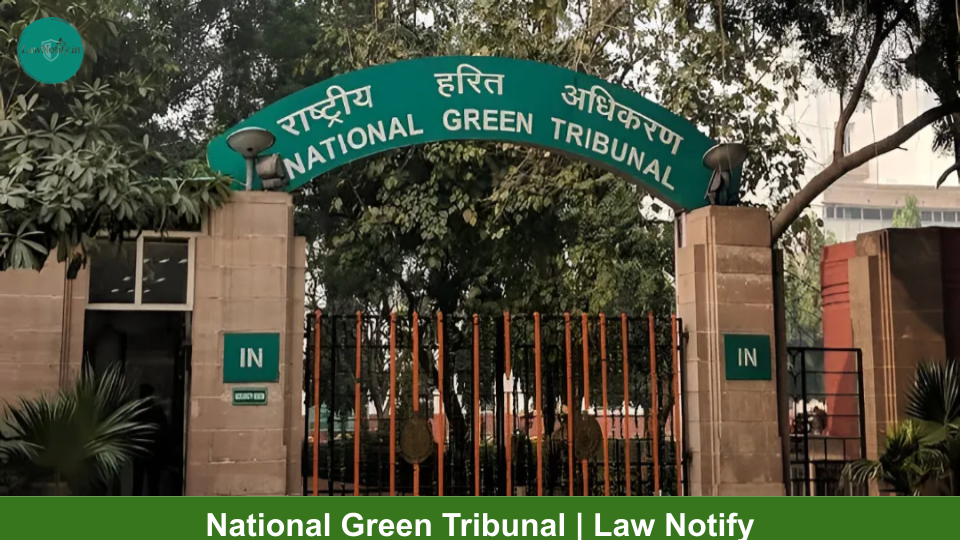
January 30, 2026 : The National Green Tribunal has raised serious concerns over the sharp decline of native fish species in the Yamuna River, attributing the trend primarily to pollution, habitat disruption, and the unchecked spread of exotic fish. The Tribunal issued a series of directions to central and state authorities, calling for urgent corrective measures to restore the river’s ecological balance.
The case was taken up suo motu by the Principal Bench of the Tribunal after a Hindi daily reported that indigenous fish species in the Yamuna were steadily decreasing while foreign species were rapidly increasing. A detailed survey conducted by the ICAR-Central Inland Fisheries Research Institute found that although the river supports 126 fish species across its 1,368-kilometre stretch from Yamunotri to Prayagraj, the composition has changed drastically over the years.
According to the survey, pollution has emerged as the single biggest factor affecting fish diversity, particularly in the Delhi–Mathura stretch of the river. In highly polluted zones between Wazirabad and Okhla barrages, Thai Mangur, an exotic air-breathing fish capable of surviving in oxygen-deficient waters, was found to be virtually the only species present. In contrast, stretches downstream where tributaries such as the Chambal, Sindh, Pahuj and Kuwari join the Yamuna showed higher water flow and significantly richer fish diversity.
The Tribunal relied on water quality data submitted by the Central Pollution Control Board, which revealed that several monitoring locations failed to meet even the minimum standards required for the propagation of aquatic life. Low dissolved oxygen levels, high biochemical oxygen demand, and excessive coliform presence were recorded at multiple sites in Haryana, Delhi and Uttar Pradesh, making large portions of the river unfit for native fish survival.
The ICAR-CIFRI explained that exotic fish species such as common carp, Nile tilapia and Thai Mangur possess biological advantages that allow them to dominate polluted environments. These species reproduce frequently, grow rapidly, and tolerate a wide range of environmental conditions. Native species, including Indian major carps and mahseer, breed only once a year and require cleaner, flowing water, making them far more vulnerable to environmental stress.
The Tribunal also noted that large infrastructure projects have worsened the situation. Barrages and dams have fragmented the river, blocked migration routes, and destroyed breeding grounds. Overfishing, illegal fishing gear, sand mining, encroachment along riverbanks, and climate change have further compounded the decline. The once-thriving hilsa fishery in the Yamuna has completely disappeared since 2010, while mahseer populations have dropped sharply since the construction of the Hathnikund Barrage.
Although multiple agencies have undertaken conservation efforts, including river ranching programmes under the Pradhan Mantri Matsya Sampada Yojana and bans on farming certain exotic species, the Tribunal observed that these initiatives have not translated into meaningful improvement on the ground. Native fish populations continue to decline despite large-scale stocking of fingerlings and policy-level interventions.
In its final order, the Tribunal directed the governments of Uttarakhand, Himachal Pradesh, Haryana, Delhi and Uttar Pradesh to urgently implement expert recommendations submitted by ICAR-CIFRI. Authorities have been asked to strictly enforce pollution norms, ensure adequate environmental flow in the river, regulate sand mining, and construct fish ladders at major barrages to restore migration routes.
The Tribunal also instructed fisheries departments to prevent the escape of exotic species from aquaculture farms, promote native fish cultivation through incentives, and crack down on illegal fishing practices. It emphasized the need for continuous biological monitoring of the river and warned that failure to act decisively would further endanger the Yamuna’s fragile aquatic ecosystem.
The application was disposed of on January 29, 2026, with the Tribunal making it clear that restoring native fish species in the Yamuna is inseparable from cleaning the river itself.
Case Reference : Original Application No. 718/2024 arose from a news item titled “सर्वेक्षण यमुना नदी में देसी प्रजाति की मछलियां घटी, विदेशी बढ़ीं, सर्वे में मिलीं 126 प्रजाति की मछलियां”, published in Amar Ujala on 09.05.2024, with Ms. Soni Singh appearing for Respondent No. 1 through video conferencing, Ms. Suhasini Sen and Ms. Masooma Rizvi for Respondent No. 2, Mr. Praveen Swarup for Respondent No. 3 through video conferencing, and Mr. Gigi C. George along with Mr. Sunil Kumar representing the Ministry of Jal Shakti and the Ministry of Fisheries.