 1112
1112 3
3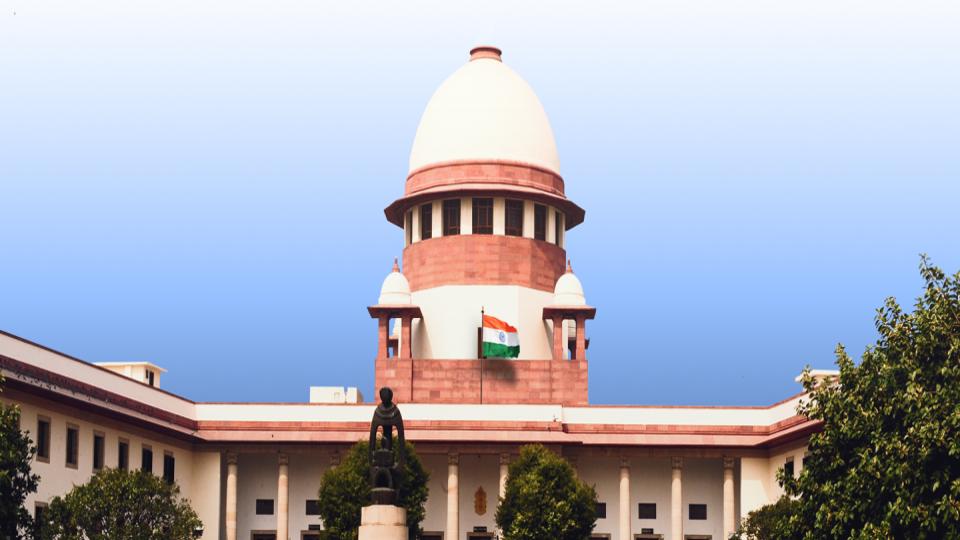 4
4 5
5 6789
6789 10
10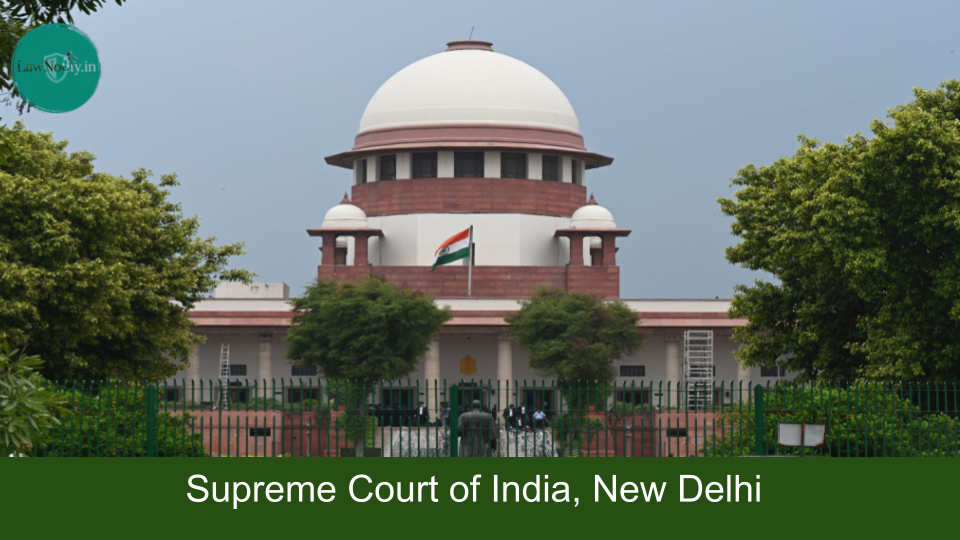
January 20, 2026 : The Supreme Court of India on Tuesday took strong exception to public remarks made by former Union Minister and animal rights activist Maneka Gandhi in connection with the ongoing stray dog crisis proceedings, observing that the statements prima facie crossed into the realm of criminal contempt under Article 129 of the Constitution and the Contempt of Courts Act, 1971.
A three judge Bench comprising Justice Vikram Nath, Justice Sandeep Mehta and Justice N.V. Anjaria, however, refrained from initiating formal contempt action, citing judicial restraint and institutional magnanimity. The Court is presently seized of a suo motu matter that raises broader concerns of public safety, municipal governance and compliance with the Animal Birth Control (Dogs) Rules, 2023, framed under the Prevention of Cruelty to Animals Act, 1960. The case also touches upon the State’s obligation under Article 21 to protect human life and public health amid rising dog bite incidents.
At the start of the hearing, Advocate Prashant Bhushan objected to certain oral observations made by the Bench during earlier sittings, arguing that comments delivered in open court, particularly when live streamed, were vulnerable to misinterpretation and could trigger unintended consequences in the public sphere.
The Court responded by clarifying that its earlier observations were a direct response to submissions placed before it, which the Bench felt were divorced from ground realities. It stressed that its remarks, including those concerning the accountability of dog feeders, were neither rhetorical nor sarcastic but flowed from a serious judicial engagement with issues of liability and civic responsibility in the context of recurring dog attacks and rabies related deaths.
The Bench indicated that the question of feeder responsibility remained open and under active consideration, noting that the issue demanded a careful balancing of animal welfare norms with the constitutional guarantee of the right to life and public safety, particularly in densely populated urban settings.
Senior Advocate Raju Ramachandran, appearing for Gandhi, drew attention to the heightened duty of caution that rests on both the Bar and the Bench in an era of televised court proceedings. While acknowledging this submission, the Court simultaneously adverted to the public statements attributed to his client, remarking that they appeared to go beyond permissible criticism and verge on contempt. The manner and tone in which the remarks were made in the public domain, the Bench observed, only compounded their impropriety.
Seeking to move the focus back to the merits, Ramachandran submitted that a lasting solution to the stray dog problem lay in strict and time bound enforcement of the existing statutory framework, rather than ad hoc or populist measures such as indiscriminate relocation or permanent sheltering. He relied on the National Action Plan for Rabies Elimination, which outlines systemic gaps, assigns stakeholder responsibilities and requires States to frame and implement dedicated action plans. According to him, more than thirty States had failed to meet these obligations, jeopardising the national goal of eliminating rabies by 2030.
The Court, however, expressed dissatisfaction with the absence of concrete material in Gandhi’s pleadings regarding budgetary allocations, administrative initiatives or measurable outcomes during her tenure as a Union Minister. It questioned why the application was silent on fiscal commitments and implementation metrics despite her long association with animal welfare causes. Ramachandran declined to address the issue orally, stating that a detailed factual affidavit would be required.
The Bench thereafter heard submissions from counsel representing animal welfare organisations and victims of dog attacks, indicating that it would endeavour to strike a constitutionally sound balance between statutory animal protection mandates and the imperatives of public health, safety and governance. The matter has been listed for further hearing on January 28.