 111
111 2
2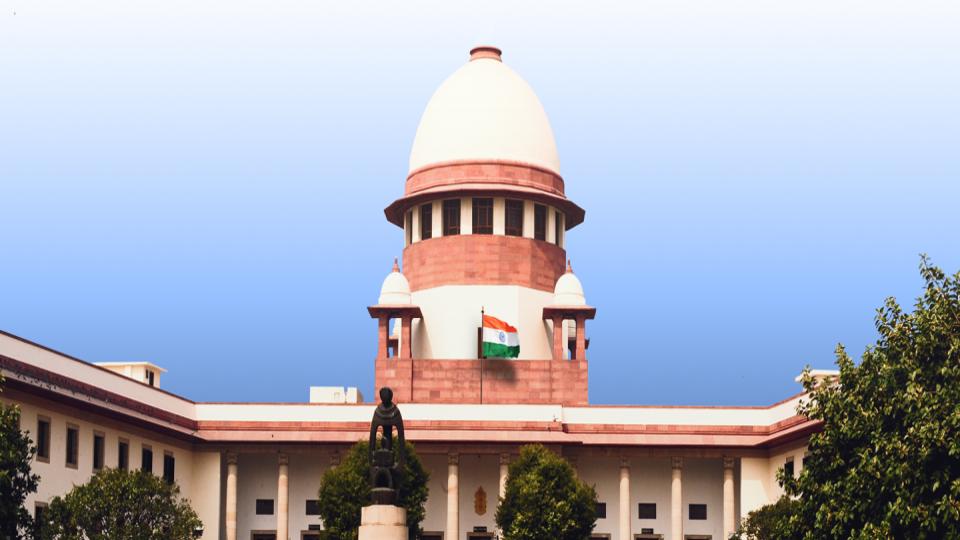 3
3 45
45 6
6 78
78 9
9 10
10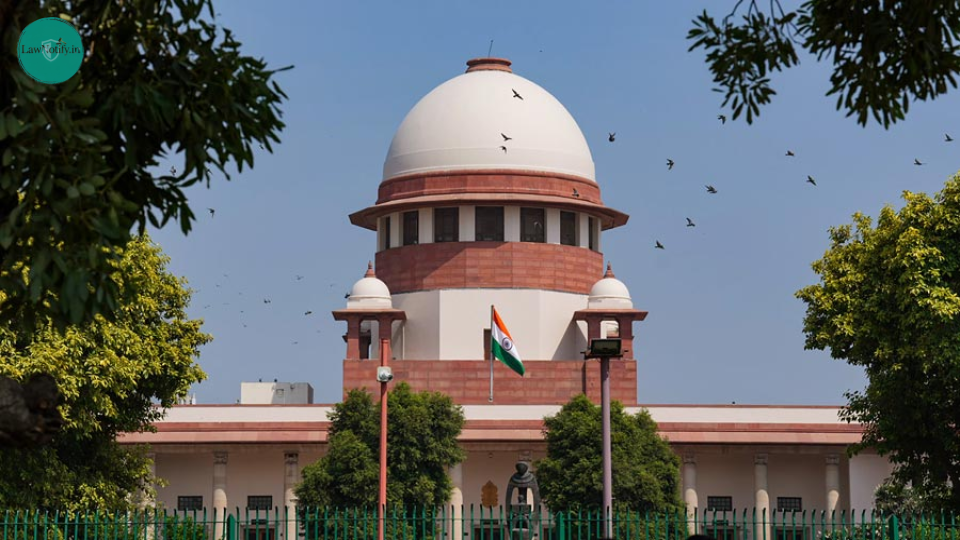
January 20, 2026 : The Supreme Court on Tuesday stepped in to protect the functioning of the Punjab Kesari newspaper, restraining the State of Punjab from taking or continuing any coercive steps that could disrupt its publication until the Punjab and Haryana High Court decides the pending dispute.
A Bench comprising Chief Justice of India Surya Kant, Justice Joymalya Bagchi and Justice Vipul Pancholi directed that the newspaper’s printing press be allowed to operate without interruption. The Court clarified that this interim protection will continue until the High Court pronounces its judgment and for a further period of one week thereafter, to preserve the parties’ right to seek appellate remedies if required.
The order came on an urgent oral mention by Senior Advocate Mukul Rohatgi, appearing for the newspaper management. Rohatgi described the situation as exceptional, arguing that a series of administrative actions were initiated soon after the newspaper carried reports critical of the present state government. According to the management, these actions followed in quick succession and included disconnection of electricity, regulatory notices issued by the Punjab Pollution Control Board, closure of hospitality establishments linked to the group, registration of FIRs, and directions to halt the functioning of the printing press.
It was submitted that the printing press, which has been operating for nearly two decades, was ordered to shut on allegations of water pollution by invoking powers under environmental laws. The management further pointed out that while the Punjab and Haryana High Court had already reserved judgment on the writ petition challenging these actions, the absence of interim relief compelled them to approach the Supreme Court through a Special Leave Petition under Article 136 of the Constitution.
Rohatgi emphasized that regulatory or executive powers cannot be used as a tool to choke press freedom, which is protected under Article 19(1)(a) of the Constitution, except within the limited scope of reasonable restrictions permitted by Article 19(2).
Opposing the plea, Senior Advocate and Additional Advocate General Shadan Farasat, appearing for the State of Punjab, maintained that the measures were taken strictly in accordance with statutory requirements under pollution control and environmental protection laws. He submitted that the High Court had already reserved judgment and that no further coercive steps were being pursued. According to the State, the regulatory directions were limited to a specific unit and did not amount to a complete shutdown of the newspaper’s operations.
Recording its directions, the Supreme Court made it clear that the arrangement was purely interim, without prejudice to the rights and contentions of either side and without expressing any view on the merits of the controversy. It ordered that the Punjab Kesari printing press should continue to function uninterruptedly and that the status quo be maintained with respect to other commercial establishments run by the management until the High Court’s decision and for one week thereafter.