 11
11
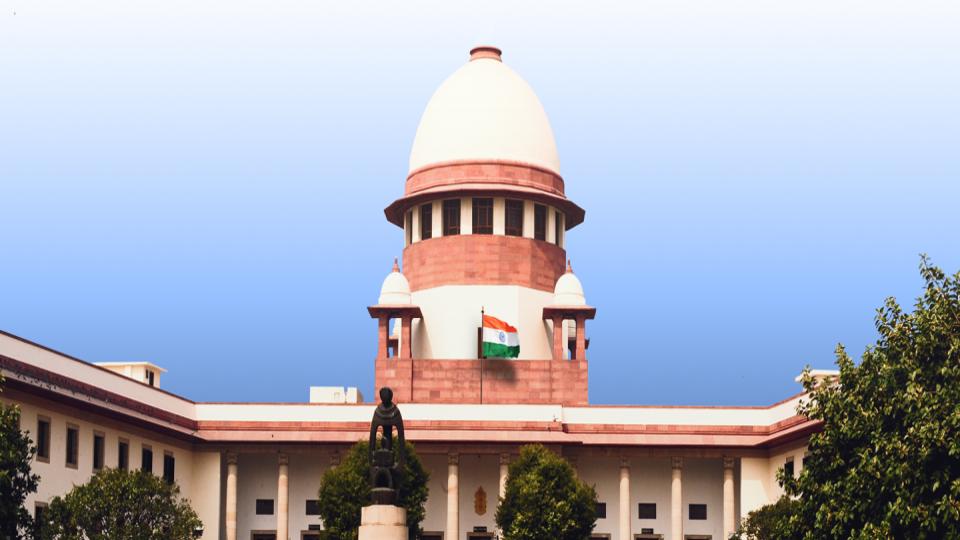
NL, January 29, 2026 : The Supreme Court on Thursday stayed the implementation of the University Grants Commission (Promotion of Equity in Higher Education Institutions) Regulations, 2026, following widespread protests and criticism across the country.
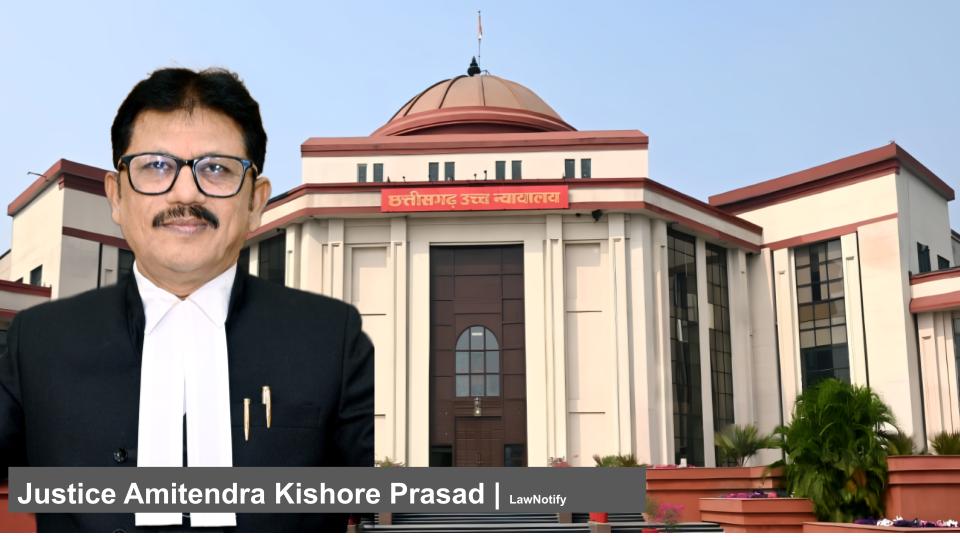
Issuing notice to the Centre and the University Grants Commission, a Bench led by the Chief Justice of India and Justice Joymalya Bagchi directed that the 2026 regulations will remain in abeyance. The court further ordered that the 2012 UGC Regulations will continue to operate until further directions.
The regulations, notified on January 23, were challenged by multiple petitioners who argued that the new framework is arbitrary, exclusionary, discriminatory, and violative of the Constitution as well as the UGC Act, 1956.
Invoking its extraordinary powers under Article 142 of the Constitution to ensure complete justice, the apex court stayed the operation of the regulations.
During the hearing, the Bench expressed serious concern over the potential consequences of the new framework. Observing that judicial intervention was necessary, the court warned that the regulations could have a dangerous impact, divide society, and lead to grave repercussions if allowed to operate unchecked.
The court also flagged issues with Regulation 3(c), which defines caste-based discrimination. It noted that the provision suffers from vagueness and could be misused, observing that the language requires reconsideration and re-modification.
The petitioners contended that the regulations confine the definition of caste-based discrimination only to members of the Scheduled Castes, Scheduled Tribes, and Other Backward Classes. According to them, this exclusion leaves individuals from the general category outside the protective framework, irrespective of the nature or severity of discrimination they may face.
They further argued that the exclusion effectively denies general category students access to grievance redressal mechanisms such as Equal Opportunity Centres, equity helplines, inquiry committees, and ombudsperson proceedings. This, they claimed, amounts to impermissible state-sponsored discrimination.
The petitioners maintained that denying remedies solely on the basis of caste identity violates Articles 14, 15(1), and 21 of the Constitution.
The 2026 regulations were introduced with the stated objective of preventing caste-based discrimination in higher education institutions and mandate the creation of special committees and helplines, particularly for students from SC, ST, and OBC communities.
However, the framework has drawn sharp criticism, especially from students belonging to the general category, who argue that it institutionalises unequal access to grievance redressal mechanisms.
The Supreme Court has listed the matter for further hearing on March 19.