March 12, 2026 : The United States and Iran have indicated that the ongoing conflict between them is unlikely to end soon. U.S. President Donald Trump said the United States must “finish the job,” while Iran warned that global oil prices could surge to $200 per barrel following attacks on fuel tankers near the strategic Strait of Hormuz.
The conflict, which began nearly two weeks ago after joint airstrikes by the United States and Israel, has killed about 2,000 people so far, most of them in Iran and Lebanon. The fighting has also expanded into Lebanon and disrupted global energy markets and transport routes.
According to United Nations Children’s Fund, more than 1,100 children have been killed or injured since the war began.
Speaking at a campaign-style rally in Kentucky ahead of the upcoming U.S. midterm elections, Trump said the United States had effectively won the war but emphasized that the mission must be completed.
“We don’t want to leave early, do we? We’ve got to finish the job,” he told supporters.
Oil markets have reacted sharply to the conflict. Prices jumped to nearly $120 per barrel earlier in the week before easing to around $90. However, renewed fears of supply disruptions pushed prices up nearly 5% on Wednesday, with gains continuing in Asian trading on Thursday. The volatility also weighed on major U.S. stock markets.
Despite intense airstrikes described by the Pentagon as the heaviest since the start of the war, Iran continued to launch retaliatory attacks on Israeli and regional targets, demonstrating that it still has significant military capabilities.
Maritime security agencies reported that explosive boats believed to be operated by Iran attacked two fuel tankers in Iraqi waters, setting them on fire and killing one crew member. Projectiles also struck three vessels in Gulf waters.
Market analysts said the attacks appeared to be a direct response to the decision by the International Energy Agency to release massive emergency oil reserves in an effort to stabilize prices.
The IEA, which represents major oil-consuming countries, recommended releasing 400 million barrels from global strategic reserves, the largest such intervention in history and aimed at easing one of the worst oil shocks since the 1970s.
Trump welcomed the decision, saying it would help lower prices as the United States addresses what he called a major threat to global security. U.S. Energy Secretary Chris Wright said the president has authorized the release of 172 million barrels from the U.S. Strategic Petroleum Reserve starting next week.
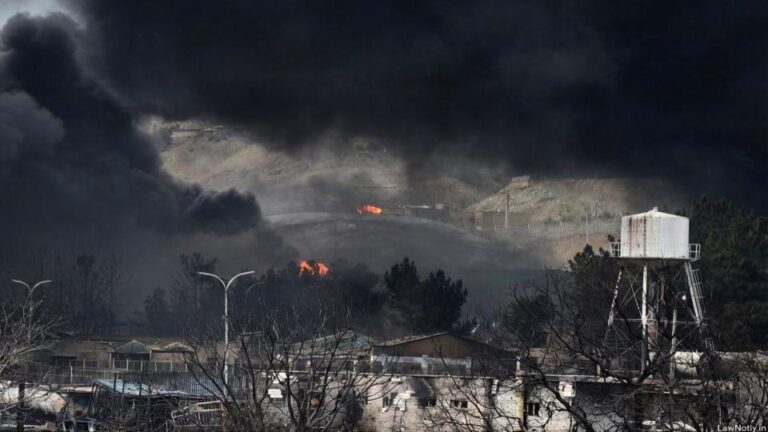
The conflict has also seen missile and drone attacks on ports and cities across the Gulf region and Israel.
A major concern is the situation in the Strait of Hormuz, a narrow channel through which about one-fifth of the world’s oil supply passes. Shipping traffic through the strait has effectively stalled amid fears of attacks and mines.
An Iranian military spokesperson said the strait was “undoubtedly” under Iran’s control. Meanwhile, leaders of the Group of Seven — including the United States, Canada, Japan, Italy, Britain, Germany and France — said they are examining options to escort commercial ships through the Gulf.
Trump claimed U.S. forces had destroyed 58 Iranian naval vessels and said Iran’s military capacity was severely weakened. However, intelligence reports suggest Tehran has deployed several naval mines in the waterway, further complicating navigation.
The Federal Bureau of Investigation has also warned that Iran could potentially attempt drone strikes targeting the U.S. West Coast, though Trump dismissed concerns about attacks on American soil.
The U.S. Department of State has meanwhile cautioned that Iran and allied militias may target U.S.-linked oil and energy infrastructure in Iraq. Hotels frequently used by Americans have also been flagged as possible targets.
Officials in Washington and Israel say their objective is to weaken Iran’s regional military influence and dismantle its nuclear programme. Israeli military officials said there is still a long list of targets inside Iran, including ballistic missile facilities and nuclear-related sites.
Iran, however, has signaled it intends to impose prolonged economic pressure. A spokesperson for Iran’s military command warned the United States that oil prices could skyrocket as long as regional security remains unstable.
“Prepare for oil to reach $200 per barrel,” the spokesperson said, blaming the United States for destabilizing the region.
Iran also warned that if its naval facilities or ports are threatened, economic and commercial centers across the region could become “legitimate targets.” Following airstrikes on bank offices in Tehran, Iranian authorities said they could retaliate against banks that conduct business with the United States or Israel.
With fuel prices rising globally and supply routes under threat, oil has become a central factor shaping the course of the conflict. (Reuters)