News Citation : 2026 LN (HC) 59 | 2026:CGHC:3156
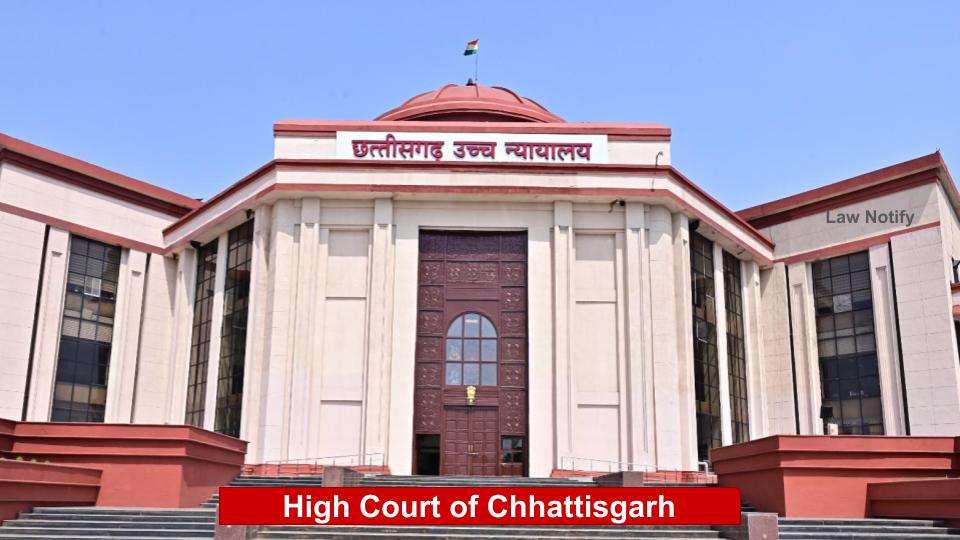
Bilaspur, January 20, 2026 : The High Court of Chhattisgarh at Bilaspur has reaffirmed the protective intent of the Maintenance and Welfare of Parents and Senior Citizens Act, 2007, holding that a gift deed can be cancelled even if it does not expressly mention a condition of maintenance, provided such an obligation is evident from the circumstances and conduct of the parties.
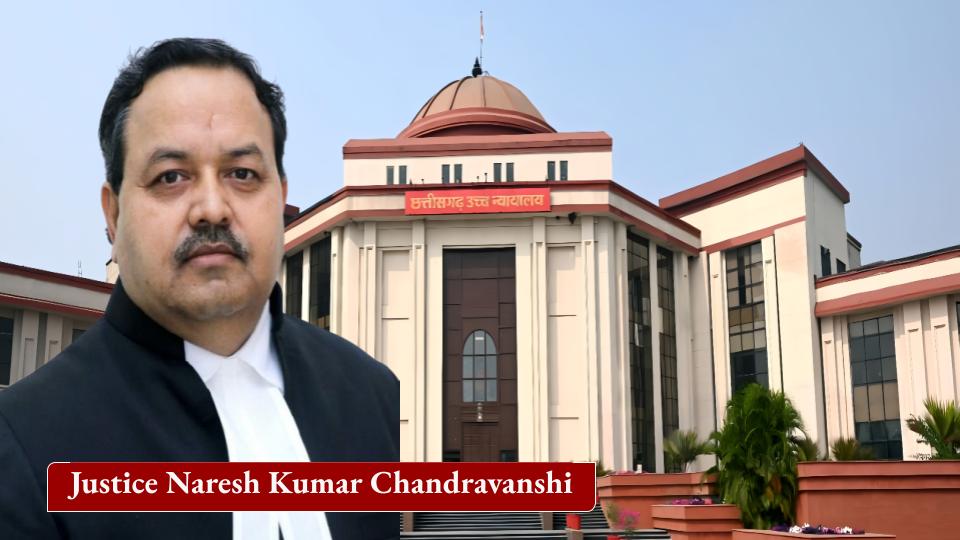
Justice Narendra Kumar Vyas dismissed a writ petition filed by Ramkishna Pandey and another, who had challenged concurrent orders of the Maintenance Tribunal and the Appellate Authority cancelling a gift deed executed in their favour by elderly family members. The Court upheld the findings that the gift was made on the basis of trust, care, and assurance of lifelong support, which was later breached.
The dispute related to a residential property in Kanchan Vihar, Bilaspur, gifted in 2016 by an octogenarian couple to their nephew. According to the senior citizens, the gift was executed out of love and affection and with the clear expectation that the nephew would continue to care for them. They alleged that after some years, they were subjected to harassment, denied basic amenities, and ultimately forced to leave the house and take shelter in an old-age home.
The petitioners argued that the gift deed was unconditional and irrevocable under the Transfer of Property Act, as it did not contain any written clause requiring maintenance. They also questioned the jurisdiction and composition of the Maintenance Tribunal.
Rejecting these contentions, the High Court held that the Act of 2007 is a beneficial legislation meant to safeguard senior citizens from neglect and abuse. Relying on recent Supreme Court rulings, the Court clarified that an obligation to maintain elderly donors need not always be explicitly written into a gift deed. Such a condition can be inferred from the relationship between the parties, the surrounding circumstances, and subsequent conduct.
The Court found sufficient material on record to show that the gift was executed due to the earlier caring conduct of the donee and with an implied expectation that such care would continue. The failure to provide basic amenities and dignity to the elderly couple amounted to a breach of that implied condition, attracting Section 23 of the Act.
Justice Vyas also noted that writ courts should not reappreciate factual findings unless they are perverse or without jurisdiction, which was not the case here. Consequently, the writ petition was dismissed, and the interim protection granted earlier to the petitioners was vacated.
The judgment reinforces that tribunals under the senior citizens’ welfare law can look beyond the formal wording of property documents to ensure that elderly persons are not left vulnerable after transferring their assets to family members.
Case Reference : WPC No. 87 of 2025, Ramkishna Pandey and Another v. State of Chhattisgarh and Others; Counsels: for the petitioners, Mr. Akshat Tiwari and Ms. Sakshi Dewangan, Advocates; for the State, Mr. Shobhit Mishra, Deputy Government Advocate; for the caveator, Mr. Vikrant Pillai, Advocate.