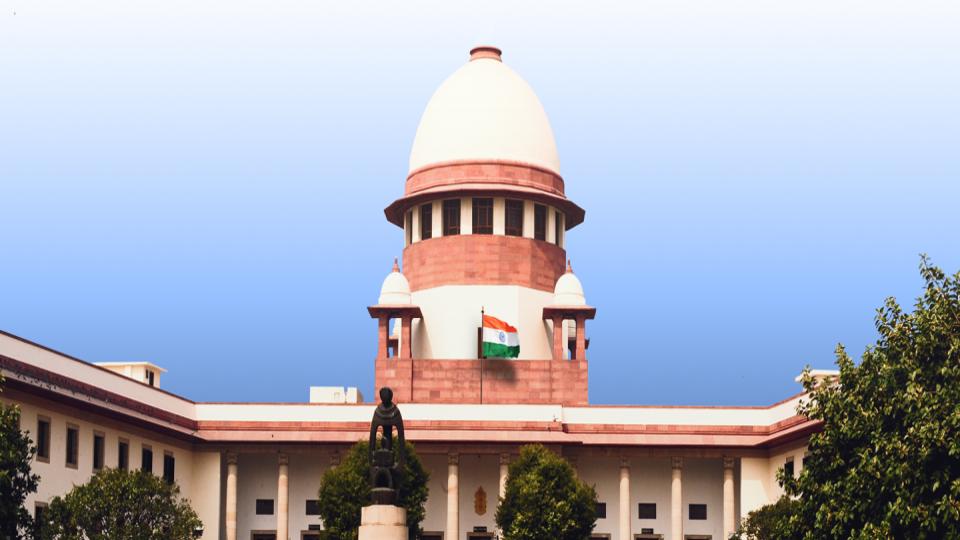
April 29, 2026 : The Supreme Court of India on Wednesday declined to issue additional directions to curb hate speech, holding that the current statutory framework is adequate and that creating a new criminal offence falls squarely within the legislative domain.
A Bench comprising Justice Vikram Nath and Justice Sandeep Mehta dismissed a batch of contempt petitions alleging non-compliance with the Court’s 2023 directions on hate speech regulation. The Court reiterated that defining criminal offences is the exclusive function of the legislature, and constitutional courts cannot compel Parliament or State legislatures to enact new laws. Judicial intervention, it said, is confined to interpreting and enforcing existing provisions.
The Bench observed that there is no legislative vacuum on hate speech, noting that the issue lies in enforcement rather than the absence of law. It pointed to the procedural remedies available under the Code of Criminal Procedure and the Bharatiya Nagarik Suraksha Sanhita (BNSS), stating that the legal framework already provides a complete mechanism for initiating criminal action.
Referring to the ruling in Lalita Kumari v Government of Uttar Pradesh, the Court underscored that registration of a First Information Report in cognisable offences is mandatory. In cases of police inaction, it said, an aggrieved person can approach the Superintendent of Police, seek directions from a Magistrate under Section 156(3) CrPC (now Section 175 BNSS), or file a private complaint.
The Court further clarified that a Magistrate’s power under Section 156(3) CrPC is supervisory and wide in scope. It emphasised that prior sanction requirements apply only at the stage of cognisance and do not bar pre-cognisance steps such as FIR registration or investigation. An order directing investigation under Section 156(3), the Bench added, does not amount to taking cognisance under Section 190 CrPC or its corresponding provision in the BNSS.
While declining further directions, the Court acknowledged that hate speech and communal narratives directly impact constitutional values such as fraternity, dignity, and public order. It left the question of introducing new offences or policy changes open to legislative consideration, including proposals examined in the Law Commission of India’s 267th Report.
The petitions before the Court arose from allegations of communal content circulated through broadcast and digital platforms, including the “Corona Jihad” narrative, the “UPSC Jihad” programme aired by Sudarshan TV, and speeches delivered at religious gatherings known as Dharam Sansad events. Among the petitioners were journalist Qurban Ali and S G Vombatkere, who had sought stricter judicial intervention and broader regulatory guidelines.