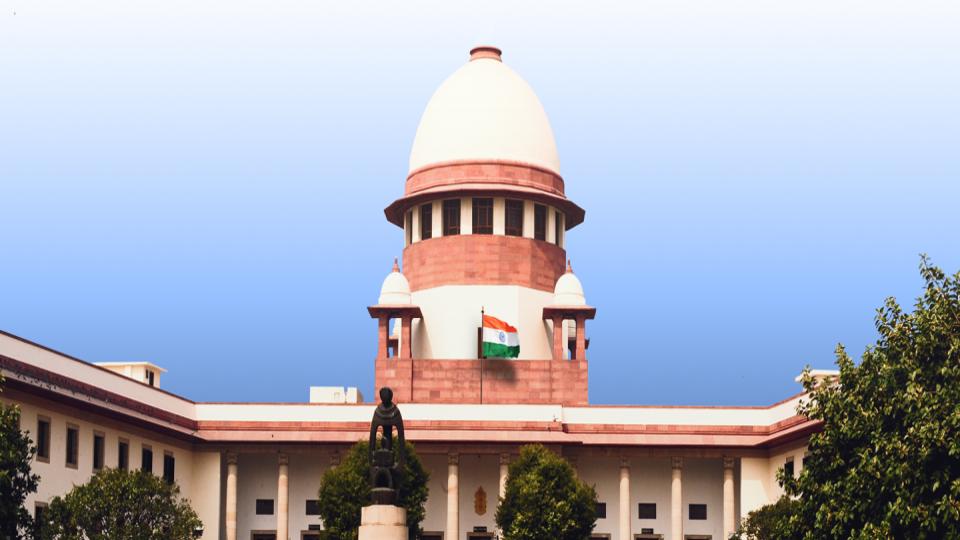
August 4, 2026 : The Supreme Court on Monday indicated that it may facilitate a temporary arrangement allowing the All India Trinamool Congress (TMC) to access a limited portion of its frozen bank accounts for meeting essential day-to-day expenses while its legal challenge to the Enforcement Directorate’s (ED) action remains pending before the Calcutta High Court.
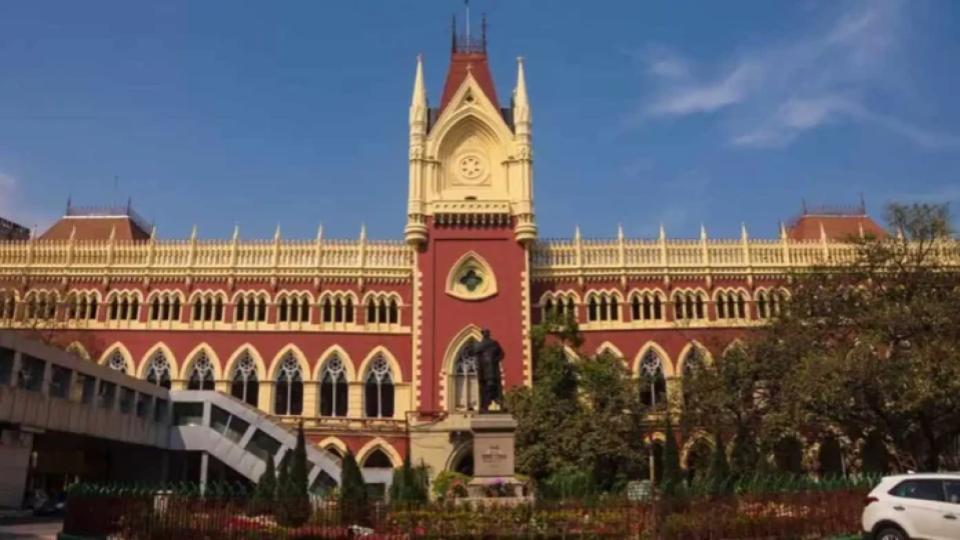
A Bench comprising Justice M.M. Sundresh and Justice Prasanna B. Varale asked the ED to examine whether a reasonable amount could be released through Justice (Retd.) Subrata Talukdar, who has been appointed as the Special Officer by the Calcutta High Court. The Court suggested that such an arrangement could ensure payment of routine expenses, including staff salaries, until the High Court decides the matter.
Taking note that the writ petition is scheduled for hearing before the Calcutta High Court on August 20, the Supreme Court urged both parties to cooperate for its early disposal and listed the matter for further consideration on August 11.
Appearing for the TMC, Senior Advocates Kapil Sibal and Menaka Guruswamy argued that the ED’s decision to freeze the party’s bank accounts under the Prevention of Money Laundering Act (PMLA) was arbitrary and disproportionate. They contended that although the ED alleged that nearly ₹160 crore had passed through the accounts under investigation, it had frozen accounts containing substantially larger sums.
Sibal further submitted that the High Court had proceeded on the mistaken assumption that 36 other bank accounts holding approximately ₹164 crore remained operational. According to him, those accounts were also under debit freeze, leaving the party unable to meet routine financial commitments such as payment of employee salaries and other operational expenses.
The senior counsel also argued that if the ED’s allegation was that the proceeds of crime had been transferred from one account to another, it could not justify freezing the original source account itself without identifying specific tainted funds.
Opposing the plea, Additional Solicitor General S.V. Raju argued that the Prevention of Money Laundering Act authorises the ED to take preventive measures to stop the continued circulation of suspected proceeds of crime. During the hearing, however, the Bench questioned how funds could continue to be cycled once the accounts had already been frozen.
Clarifying that it was not expressing any opinion on the merits of the allegations, the Supreme Court observed that all factual and legal issues would be considered by the Calcutta High Court during the pending writ proceedings. It nevertheless suggested that both parties explore the possibility of releasing a limited amount through the Special Officer to enable the TMC to meet essential expenses until the High Court delivers its decision.
The ED sought time to obtain instructions on the proposal, following which the matter was adjourned to next Tuesday.
The dispute arises from a complaint filed on June 18, 2026, by West Bengal MLA Biswanath Das, alleging that funds generated through illegal activities had been routed through three HDFC Bank accounts. Based on the complaint, an FIR was registered, after which the ED recorded an Enforcement Case Information Report (ECIR) on June 23. Following searches, the agency froze six bank accounts, including three belonging to the TMC, on July 7.
The TMC challenged the freezing orders before the Calcutta High Court, contending that the action was arbitrary and unsupported by any identifiable proceeds of crime. The party also relied upon an earlier High Court order that had permitted operation of certain accounts through a Special Officer for meeting day-to-day expenses. However, the High Court declined interim relief, observing that the petitioners could pursue their objections before the PMLA Adjudicating Authority as well as in the pending writ petition. It held that no prima facie case for interim protection had been made out and noted that the ED had recorded sufficient reasons to believe that substantial fund transfers justified the freezing orders.