Bilaspur – The Chhattisgarh Library Association is emerging as an important professional platform for strengthening library and information science services across the state. As education, research and information access increasingly move into the digital era, the role of libraries is changing rapidly. Libraries are no longer limited to storing books or providing reading spaces. They are becoming important centres for education, research, competitive examination preparation, employment information, digital literacy and community development.
For a state such as Chhattisgarh, with a large rural population and significant differences in access to educational and digital resources between urban and rural areas, a strong library network can play an important role in expanding access to knowledge. The Chhattisgarh Library Association can contribute to this process by bringing library professionals, educators, researchers and information specialists together on a common platform.
Role of Chhattisgarh Library Association
A professional library association can play an important role in developing the library sector by promoting professional cooperation, knowledge sharing, training and policy discussions. The Chhattisgarh Library Association provides an opportunity for professionals working in universities, colleges, public libraries, school libraries, special libraries and research institutions to discuss common challenges and identify practical solutions.
The association can also promote seminars, conferences, workshops, professional development programmes and academic discussions on emerging trends in library and information science. Such activities can help library professionals remain updated with technological developments and changing user expectations.
Importance of Public Libraries in Chhattisgarh
Public libraries have an important role in providing equal access to information and educational resources. This is particularly significant in rural and economically disadvantaged communities where students may not have access to expensive books, subscription-based databases or private study facilities.
A well-equipped public library can provide newspapers, magazines, reference books, competitive examination material, digital resources and internet access. It can also become a safe and productive study environment for students and young people preparing for government examinations and other competitive tests.
The development of public libraries therefore has implications beyond the library sector. It can contribute to education, employment opportunities, digital inclusion and community development.
Chhattisgarh Public Library Act, 2008
The Chhattisgarh Public Library Act, 2008 provides an important legal and institutional framework for the development of public library services in the state. However, the effectiveness of any public library framework depends on its implementation at the ground level.
Library buildings alone cannot create an effective public library system. Regular operations, adequate funding, updated collections, qualified library professionals, modern technology and user-oriented services are equally important.
Strengthening the implementation of the public library framework, therefore, requires coordinated efforts from the government, local bodies, educational institutions, library professionals and civil society.
Bridging the Rural-Urban Library Gap
One of the major challenges facing library development in Chhattisgarh is the difference between urban and rural access to information resources. Students in major cities may have access to universities, modern college libraries, internet services and digital databases, while students in remote areas may have considerably fewer resources.
Digital technology can help bridge this gap. Rural public libraries can be developed as community knowledge centres equipped with internet connectivity, e-books, online journals, digital databases, online catalogues and educational resources.
Such facilities could give students in rural areas access to learning resources that are otherwise difficult or expensive to obtain.
Growth of Digital Libraries
The concept of a library has expanded significantly with the growth of digital technology. Users increasingly expect access to information through computers, smartphones and other digital devices.
Digital libraries, e-books, e-journals, online databases, institutional repositories and Online Public Access Catalogues can make library collections accessible beyond the physical library building.
For Chhattisgarh, expanding digital library services could be particularly useful for students, researchers and professionals living away from major educational centres. It could also improve access to specialised academic resources.
Library Automation and Emerging Technology
Library automation is another important area of modern library development. Automated circulation systems, barcode or RFID-based services, digital cataloguing, membership management and online catalogues can improve operational efficiency and user experience.
Artificial intelligence is also expected to influence the future of library services. AI-based information discovery, automated metadata generation, digital preservation and intelligent search systems could become increasingly relevant.
Library professionals will therefore need continuous training to understand and effectively use emerging technologies while maintaining professional standards of information management.
Changing Role of Librarians
The role of the librarian has changed considerably. Modern librarians are expected to work not only with printed books but also with electronic resources, research databases, digital repositories, metadata, information retrieval systems and digital preservation tools.
Librarians can also provide research support by helping students and researchers identify reliable sources, conduct literature searches, manage references and understand information resources.
Continuous professional development is therefore essential. Training programmes, refresher courses, workshops and professional conferences can help librarians develop the skills required for modern library services.
Libraries and Higher Education
University and college libraries are essential components of the higher education system. Quality education and research depend heavily on access to reliable academic literature, research journals, databases and reference materials.
Libraries can increasingly function as research support centres rather than simply reading rooms. Services related to literature searches, citation management, research databases, research ethics and scholarly communication can provide significant value to students and researchers.
Strengthening academic libraries can therefore contribute directly to the quality of higher education and research in Chhattisgarh.
Libraries for Competitive Examination Aspirants
Competitive examinations have become an important part of the educational and employment aspirations of young people across Chhattisgarh. Public libraries can provide an affordable and accessible environment for examination preparation.
Libraries equipped with standard reference books, newspapers, magazines, current affairs material, digital resources and dedicated study spaces can become valuable support centres for competitive examination aspirants.
This role becomes particularly important in rural areas, where students may not have access to private libraries or expensive coaching infrastructure.
Promoting Reading Among Children and Young People
The growth of smartphones, social media and digital entertainment has changed reading habits among younger generations. Libraries can respond by creating engaging reading programmes for children and young people.
Children’s libraries, storytelling sessions, reading campaigns, book discussions and educational activities can encourage young readers to develop a sustained interest in books and learning.
Such initiatives can contribute not only to reading habits but also to language development, creativity and critical thinking.
Libraries and Digital Literacy
Access to information is not enough. Users also need the ability to identify reliable information and distinguish it from misinformation.
Libraries can become important centres for digital and information literacy by teaching users how to search online resources, evaluate sources, use academic databases and verify information.
This role is particularly relevant in the current information environment, where users are exposed to enormous quantities of online content every day.
Professional Networking and Knowledge Sharing
The development of a strong library sector requires cooperation among professionals working in different types of libraries. University, college, school, public, special and research libraries often face different operational challenges, but they can benefit from sharing successful practices.
The Chhattisgarh Library Association can facilitate such professional networking through conferences, seminars, workshops and knowledge-sharing platforms.
A strong professional network can help identify common problems, exchange solutions and encourage innovation across the state’s library sector.
Need for National-Level Library Conferences and Seminars
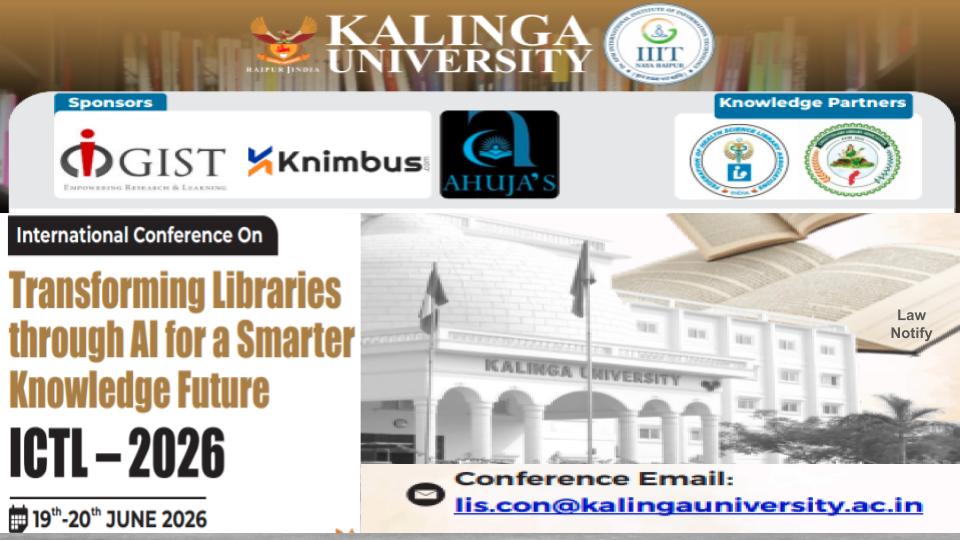
Library development is no longer limited to traditional collection management. Emerging issues such as artificial intelligence, digital libraries, open educational resources, copyright, research data management, information literacy and digital preservation require wider professional discussion.
National-level seminars and conferences in Chhattisgarh can provide library professionals with opportunities to learn from developments taking place across India and internationally. They can also provide a platform for highlighting the specific challenges faced by libraries in the state.
Future Priorities for Library Development
The future development of libraries in Chhattisgarh requires attention to infrastructure, funding, human resources, technology and service quality. Developing modern library buildings is important, but it must be accompanied by adequate collections, trained professionals and digital infrastructure.
Public libraries should also be designed around the needs of local communities. Rural libraries could offer digital learning facilities, competitive examination resources, internet access and employment-related information, while urban libraries could expand their research, digital and specialised information services.
Professional development of library staff should remain another important priority. Modern library services require professionals who are comfortable working with both traditional collections and emerging digital technologies.
Conclusion
The Chhattisgarh Library Association has the potential to play an important role in strengthening the library and information science ecosystem in the state. By promoting professional cooperation, training, research, digital transformation and public library development, the association can contribute to the creation of a more modern and inclusive library network.
The development of libraries is closely connected with education, research, employment, digital literacy and social development. A strong public library system can provide students and citizens with affordable access to reliable knowledge and information.
Libraries are no longer simply places where books are stored. They are knowledge centres, learning spaces, research support institutions and community resources. Strengthening the library movement in Chhattisgarh can therefore become an important part of building a more informed, educated and knowledge-driven society.