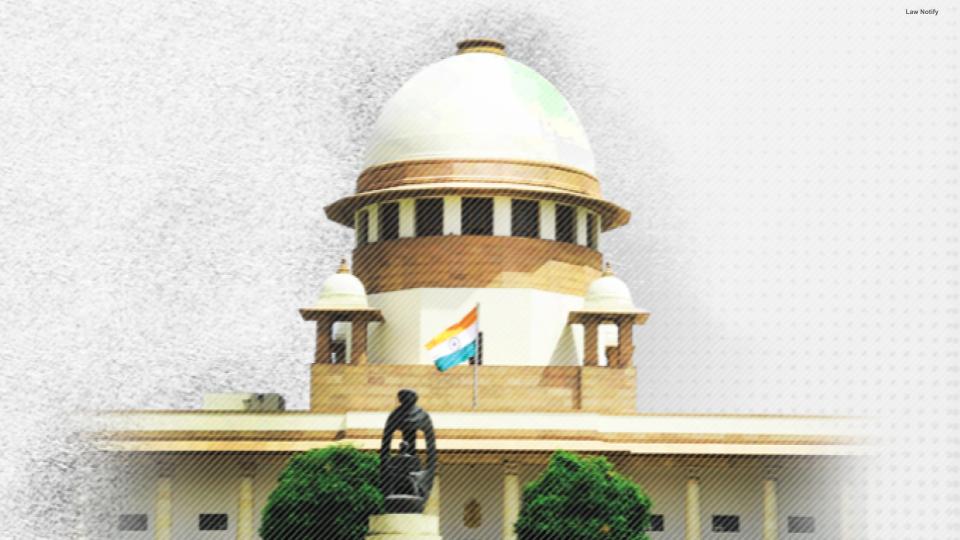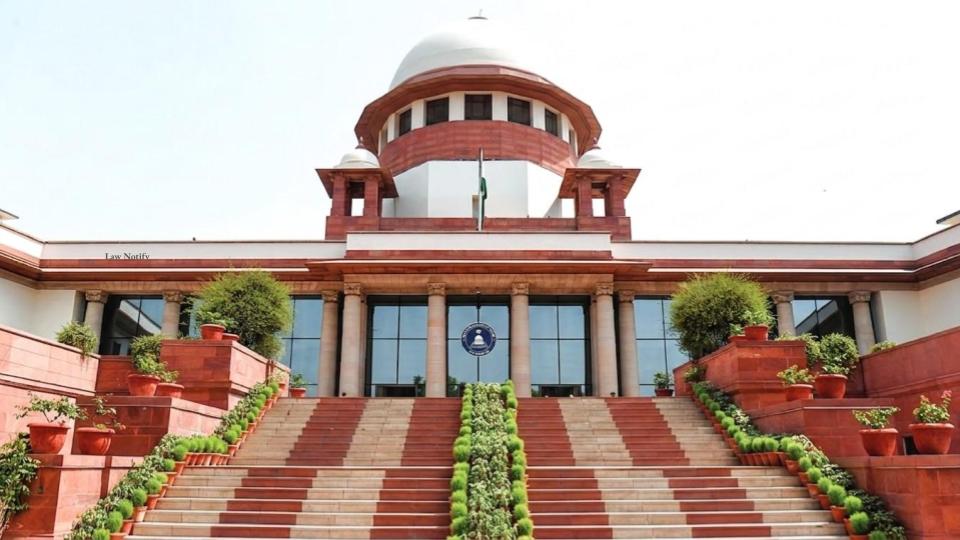
The Supreme Court has indicated that it may intervene if frequent protests and security restrictions in and around Connaught Place, New Delhi, adversely affect commercial activities and the livelihoods of traders. The observation came while a Bench comprising Chief Justice of India Surya Kant and Justice Joymalya Bagchi was hearing a petition challenging the New Delhi Municipal Council’s decision to close Central Park for two days ahead of a protest called by the Cockroach Janta Party.
Appearing for the traders, counsel informed the Court that repeated demonstrations and restrictions were causing substantial financial losses to businesses in the area. The lawyer argued that such measures were disproportionate, particularly during the festive season, when commercial establishments depend on increased customer footfall for a significant share of their annual business.
The submissions highlighted the importance of the festive period, including Karva Chauth, Dussehra, Diwali and Chhath, for shopkeepers and other commercial establishments. According to the traders, restrictions on access and movement around Connaught Place could discourage customers from visiting the market, directly affecting sales and daily earnings.
Chief Justice Surya Kant acknowledged the difficulties faced by small shopkeepers, hawkers and stall owners. The Bench observed that the impact of such restrictions extended beyond business losses, affecting the livelihoods of traders and the welfare of their families.
The Court indicated that it would not hesitate to exercise its constitutional powers, including its public law jurisdiction, if restrictions imposed in the name of security or public order unlawfully interfered with commercial activities.
The observations underscore the need to strike a balance between the right to hold peaceful protests, legitimate security requirements and the interests of businesses operating in busy commercial districts. While authorities may impose reasonable restrictions to maintain public order and ensure public safety, such measures must be proportionate and should take into account their impact on ordinary citizens and traders.
The matter also raises broader questions about managing demonstrations in high-footfall commercial areas. Connaught Place is one of New Delhi’s major shopping and business destinations, and prolonged closures or access restrictions can affect retailers, street vendors, restaurants and other establishments that rely on regular customer movement.
The Supreme Court’s observations signal that restrictions affecting businesses may invite judicial scrutiny where they are alleged to be excessive or unlawful. However, the Bench’s remarks should not be treated as a final ruling on the legality of the specific restrictions challenged in the petition.
The case highlights the importance of ensuring that public demonstrations and security arrangements are managed in a manner that protects public order without unnecessarily disrupting commercial activity, particularly during important festive periods.