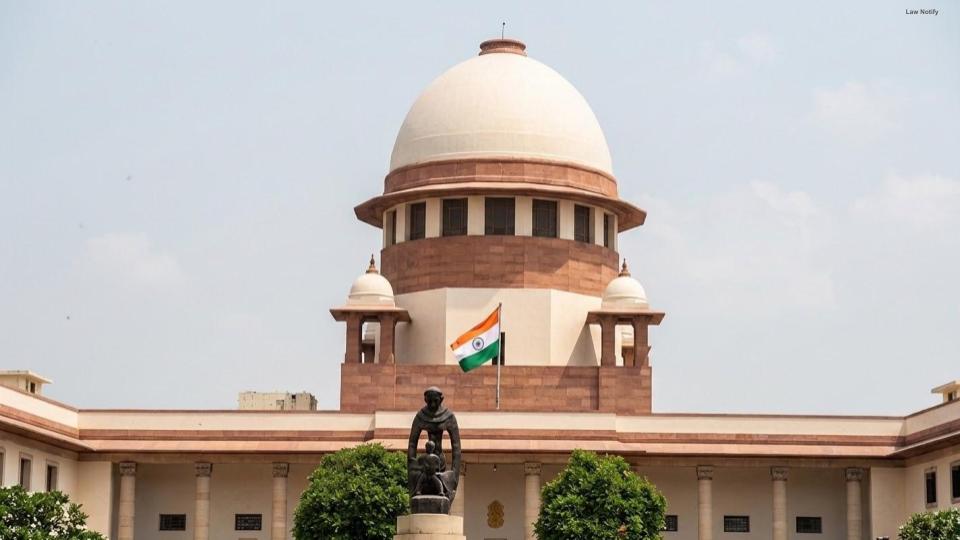
The Supreme Court of India has called for stronger technological and regulatory measures to identify, monitor and remove Child Sexual Exploitation and Abuse Material (CSEAM) from the internet. A Bench comprising Justices J.B. Pardiwala and K.V. Chandran directed the creation of a comprehensive national database to facilitate the identification and removal of such material across social media platforms.
The Court expressed concern over the continued circulation of child sexual abuse material online despite its directions issued in 2024. It stressed the need for a coordinated approach involving technology, effective regulation and public awareness to strengthen the protection of children in the digital environment.
Supreme Court Emphasises Digital Safety Education for Children
The Bench observed that technological safeguards alone cannot effectively address the problem. It highlighted the importance of educating children about online risks, responsible internet use and safe digital practices.
The Court called for digital safety education and age-appropriate learning materials to be incorporated into the core school curriculum. The National Council of Educational Research and Training (NCERT), along with State Councils of Educational Research and Training, will develop the educational content in consultation with child psychologists, teachers, educators and parenting experts.
The proposed initiative aims to equip children with the knowledge and skills necessary to recognise online threats, protect their privacy and seek assistance when confronted with harmful content or online exploitation.
Centre Asked to Frame Guidelines and Amend IT Rules
The Supreme Court directed the Union Government, through the Ministry of Electronics and Information Technology and the Ministry of Law and Justice, to formulate the necessary guidelines and standard operating procedures. The directions also include considering amendments to the Information Technology Rules to strengthen the mechanisms for detecting, reporting and removing child sexual abuse material.
The proposed framework is intended to improve coordination among government authorities, social media platforms and other relevant stakeholders. A national database could support more effective identification of such content and help prevent its continued circulation online.
Next Hearing on December 10, 2026
The Union Government has been directed to file an affidavit before the next hearing, detailing the progress made in implementing the Court’s directions and the steps taken to establish the proposed regulatory and technological framework.
The matter is scheduled to be heard on December 10, 2026.
The proceedings underline the need for a comprehensive child-protection strategy that combines technology-based detection, regulatory accountability and digital literacy. The proposed measures are aimed at strengthening online safeguards and improving the response to child sexual exploitation and abuse material across digital platforms.