 111
111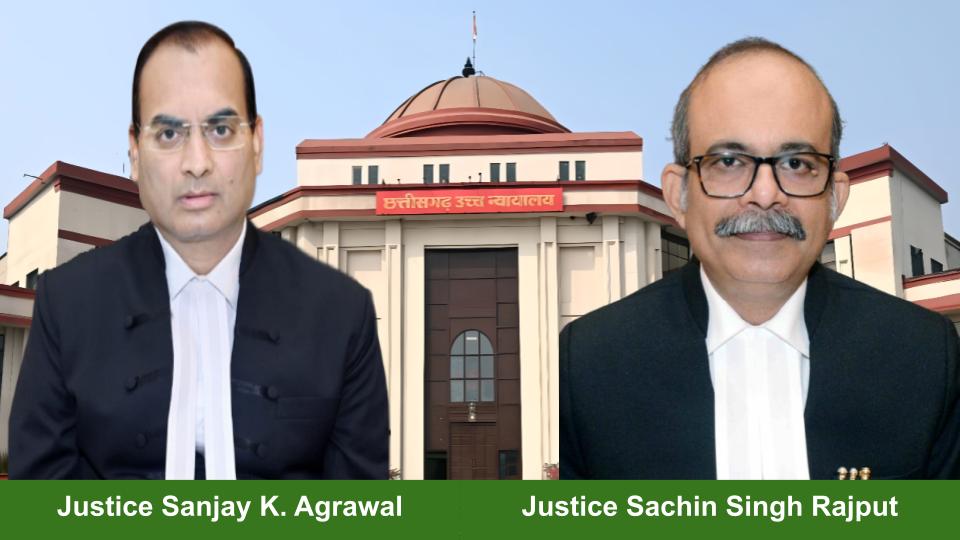 2
2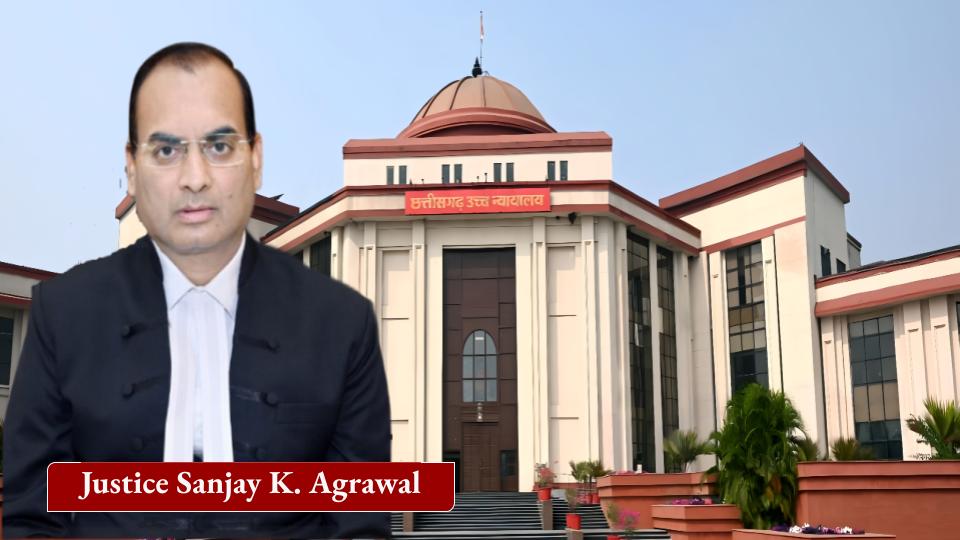 3
3 4
4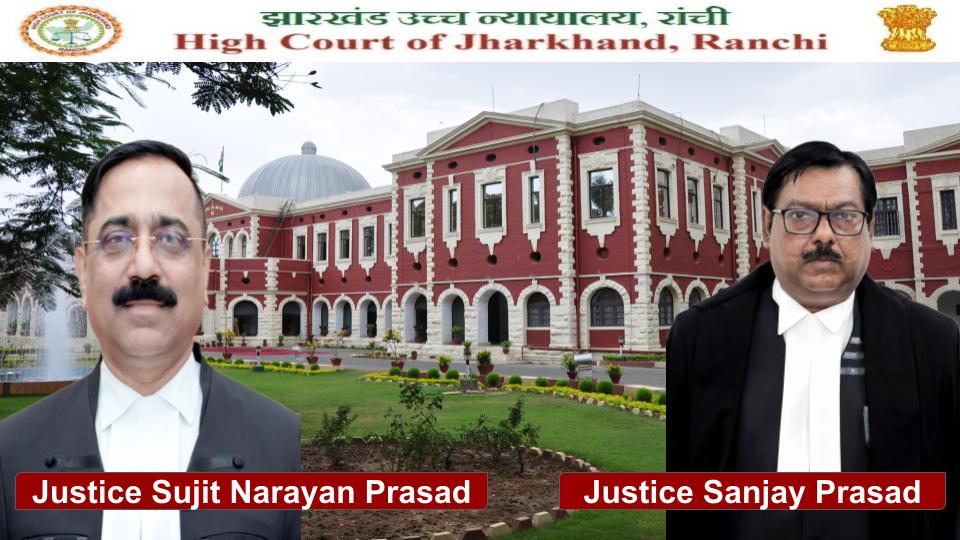 567
567 8
8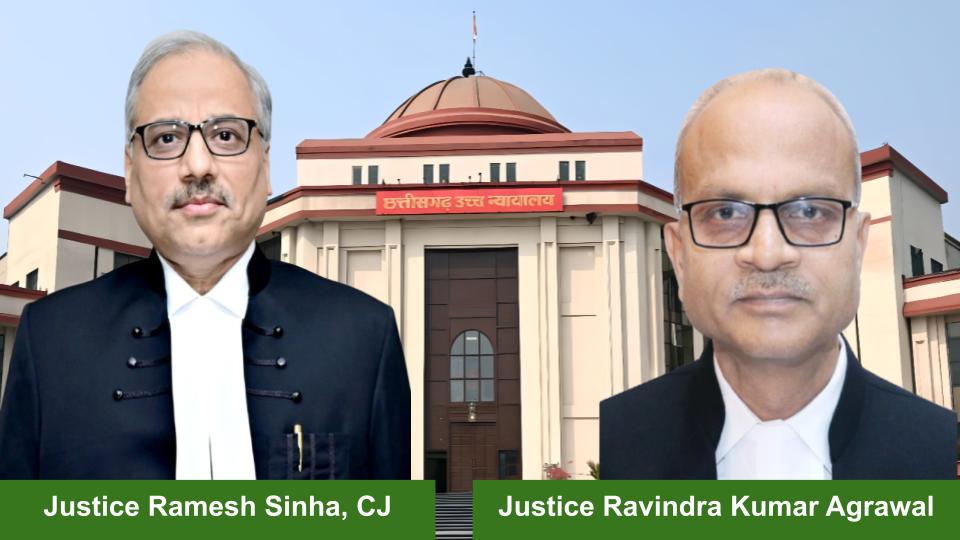 9
9 10
10
News Citation : 2026 LN (HC) 158 | 2026:CGHC:8618-DB
February 18, 2026 : In a significant ruling on workplace harassment procedures, the High Court of Chhattisgarh, Justice Sanjay K. Agrawal and Justice Arvind Kumar Verma has quashed the transfer of a senior technician at Bhilai Steel Plant, holding that the employer could not shift him during the pendency of a sexual harassment inquiry without a formal recommendation from the Internal Complaints Committee.
The case arose from an order passed by the Central Administrative Tribunal, Jabalpur Bench, which had dismissed the employee’s challenge to his transfer. The High Court, in its judgment delivered on February 18, 2026, set aside both the tribunal’s decision and the transfer order.
According to the court record, the petitioner, a Senior Technician at Bhilai Steel Plant, was transferred from Jawaharlal Nehru Hospital, Sector 9, Bhilai to Nandini Mines in May 2025 after a contractual safai karmachari lodged a sexual harassment complaint. The complaint was forwarded to the Internal Complaints Committee constituted under the Sexual Harassment of Women at Workplace (Prevention, Prohibition and Redressal) Act, 2013.
While the inquiry was underway, the plant management issued a transfer order. The employee challenged the move before the tribunal, arguing that under Section 12(1) of the 2013 Act, a transfer during the pendency of an inquiry can only be made on the written request of the aggrieved woman and upon a recommendation by the Internal Complaints Committee. The tribunal rejected his plea, prompting him to approach the High Court.
During the pendency of the writ petition, the Internal Complaints Committee submitted its report, concluding that the allegations of sexual harassment were not established. However, the complainant has filed a statutory appeal under Section 18 of the 2013 Act, which remains pending.
The Division Bench examined the statutory framework and the scope of Sections 12 and 19 of the 2013 Act. The employer had relied on Section 19(a), which requires employers to provide a safe working environment. The court acknowledged that employers retain general administrative powers, including transfer. However, it drew a clear distinction between general transfer powers and transfers during the pendency of a sexual harassment inquiry.
The bench held that once the Internal Complaints Committee has taken cognizance of a complaint, any transfer of the respondent during the inquiry must be based on a statutory recommendation under Section 12(1)(a). Such a recommendation can only be made on a written request by the aggrieved woman.
In this case, the court noted that the complainant had not made any written request to transfer the respondent. The inquiry report also recorded that no such request was submitted to the committee. The complainant herself had been shifted by the contractor at her own request immediately after filing the complaint.
The High Court reasoned that permitting the employer to exercise general transfer powers during the pendency of an inquiry, without waiting for the committee’s recommendation, would render Section 12(1)(a) ineffective. The statutory mechanism, it said, places the authority to recommend interim measures during an inquiry squarely with the Internal Complaints Committee.
As a result, the court quashed the transfer order dated May 14, 2025 and the relieving order, along with the tribunal’s order upholding them. It clarified that it had not expressed any opinion on the merits of the inquiry report and that the appellate authority is free to decide the pending appeal independently.
The ruling reinforces the procedural safeguards built into the 2013 Act and underscores that employers must adhere strictly to its framework when handling complaints of sexual harassment at the workplace.
Case Reference : WPS No. 9365 of 2025, Subodh Kumar Deshpandey v. Union of India & Others; for the petitioner: Mr. Manoj Paranjpe, Senior Advocate, with Mr. Kabeer Kalwani, Advocate; for Respondent No. 1/Union of India: Mr. Ramakant Mishra, Deputy Solicitor General of India, with Mrs. Annapurna Tiwari, Advocate; for Respondents No. 2 to 5/Bhilai Steel Plant: Mr. Naman Nagrath, Senior Advocate (through virtual mode), with Mr. P.R. Patankar, Advocate.