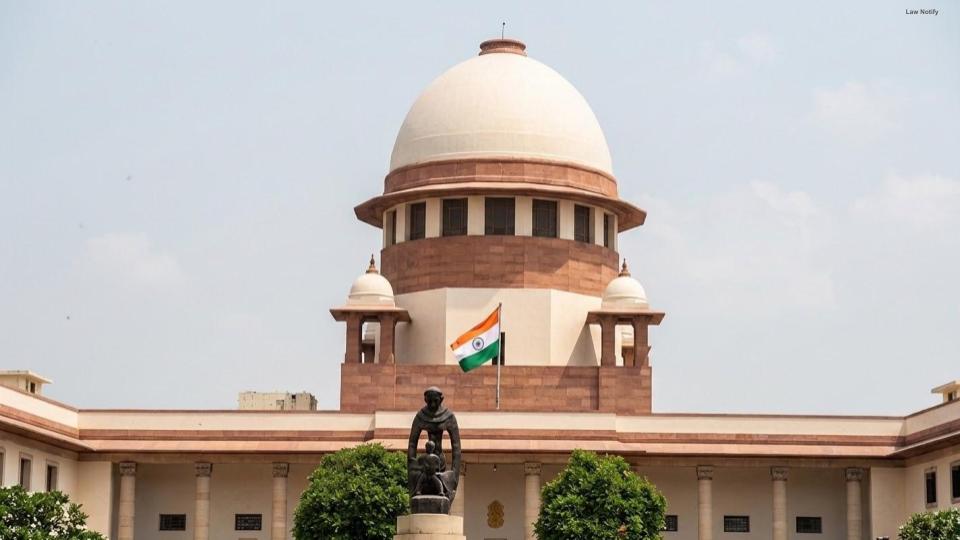
The Supreme Court on Wednesday asked the Centre to consider extending the tenure of retiring presiding officers and members of quasi-judicial tribunals for about a month or until fresh appointments are made, stressing that tribunals should not become non-functional because of vacancies.
A bench comprising Chief Justice of India Surya Kant and Justices Joymalya Bagchi and V. Mohana considered the issue concerning the continuity of functioning of various tribunals. The court indicated that a short-term extension could help ensure that judicial and quasi-judicial bodies continue to function smoothly while the appointment process for new members is completed.
Appearing for the Centre, Attorney General R. Venkataramani submitted that the process for making fresh appointments had already been initiated. He urged the bench not to entertain requests for ad hoc extensions, maintaining that the government was taking steps to fill the vacancies through the prescribed process.
The issue assumes significance as vacancies in tribunals can directly affect the disposal of cases and increase the pendency of matters before these specialised bodies. The Supreme Court observed that tribunals should not be allowed to become defunct merely because the tenure of their presiding officers or members comes to an end before their successors are appointed.
Earlier, on September 8, the Centre informed the Supreme Court that 248 members of various tribunals had been found eligible for extension under the Tribunal Reforms Act, 2026. The government also stated that the services of these eligible members were being extended.
The latest proceedings underline the importance of maintaining continuity in the functioning of tribunals, particularly where appointment procedures may take time. A temporary extension of the tenure of outgoing members could prevent disruption in hearings and help avoid further accumulation of pending cases.
The Supreme Court’s intervention also highlights the broader concern that vacancies in quasi-judicial bodies should not undermine access to justice. While the Centre has maintained that the regular appointment process is already underway, the court’s suggestion seeks to address the immediate administrative gap between the retirement of existing members and the joining of their successors.