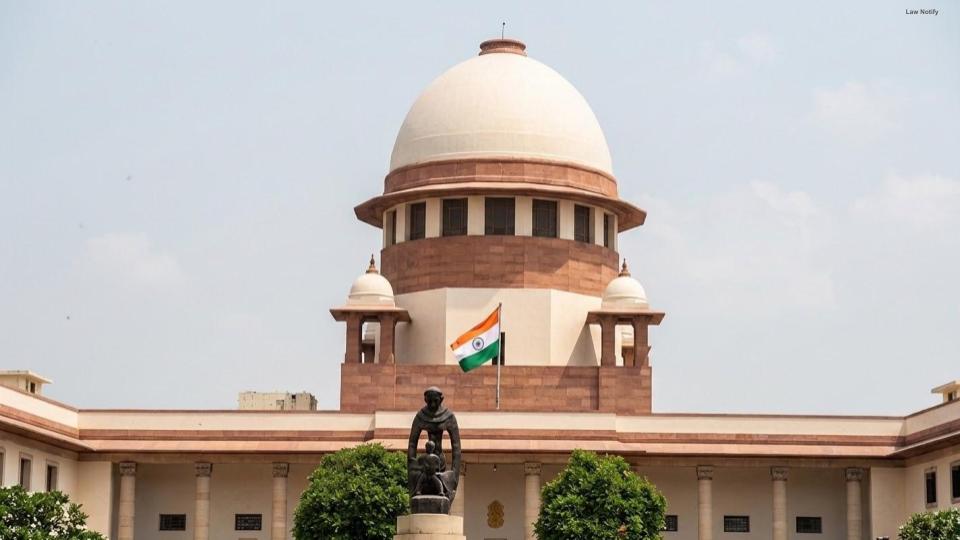
June 20, 2026 : New Delhi: In a landmark judgment, the Supreme Court has held that the right of pedestrians to walk on safe and properly maintained footpaths is an integral part of the fundamental rights guaranteed under Articles 19 and 21 of the Constitution. The Court emphasized that pedestrian safety cannot be subordinated to the convenience of motor vehicles and that public authorities have a constitutional obligation to provide adequate pedestrian infrastructure.
A Bench comprising Justice P.S. Narasimha and Justice A.S. Chandurkar observed that the freedom of movement under Article 19 and the right to life and personal liberty under Article 21 include the right to access safe pedestrian infrastructure. According to the Court, the existence of a public road necessarily carries with it a corresponding duty on the part of public authorities to create, maintain, and protect designated footpaths and other pedestrian facilities.
The Court noted that urban planning in India has historically prioritized motorized transport while neglecting the needs of pedestrians. As a result, many cities and towns suffer from inadequate footpaths, encroachments on pedestrian spaces, and unsafe walking conditions. Recognizing pedestrians as one of the most vulnerable categories of road users, the Bench stressed that urban development policies must respect and safeguard their constitutional rights.
Highlighting the importance of enforcement, the Court stated that urban development authorities, municipal corporations, municipalities, and panchayats are responsible for ensuring the availability and maintenance of safe pedestrian infrastructure. It further held that citizens whose right to walk safely is violated may seek constitutional, statutory, and civil remedies against the authorities concerned, in addition to remedies available under the Motor Vehicles Act.
The Bench also expressed concern over the absence of a dedicated legal framework governing pedestrian rights in India. It recommended that the legislature consider enacting a comprehensive statutory mechanism defining the rights of pedestrians, the duties of public authorities, and effective enforcement measures. The Court directed that a copy of the judgment be forwarded to the relevant Ministries and the Law Commission for consideration.
The observations were made while deciding a case arising from the death of a five-year-old child who was fatally struck by a tanker while walking to school with his father in an area lacking both a footpath and a pedestrian crossing. The Court observed that the absence of basic pedestrian infrastructure was a significant factor in the tragedy and warranted broader judicial scrutiny.
Allowing the appeal, the Supreme Court set aside the High Court’s order reducing compensation and enhanced the compensation payable to the deceased child’s family to ₹11.44 lakh. Considering the wider public importance of the issue, the Bench also directed that a separate proceeding be registered to examine pedestrian rights and infrastructure across the country. The Union Government has been asked to assist the Court on the larger policy questions involved.
The judgment marks a significant step toward recognizing pedestrian safety as a constitutional concern and may have far-reaching implications for urban planning, road design, and public infrastructure policies across India.