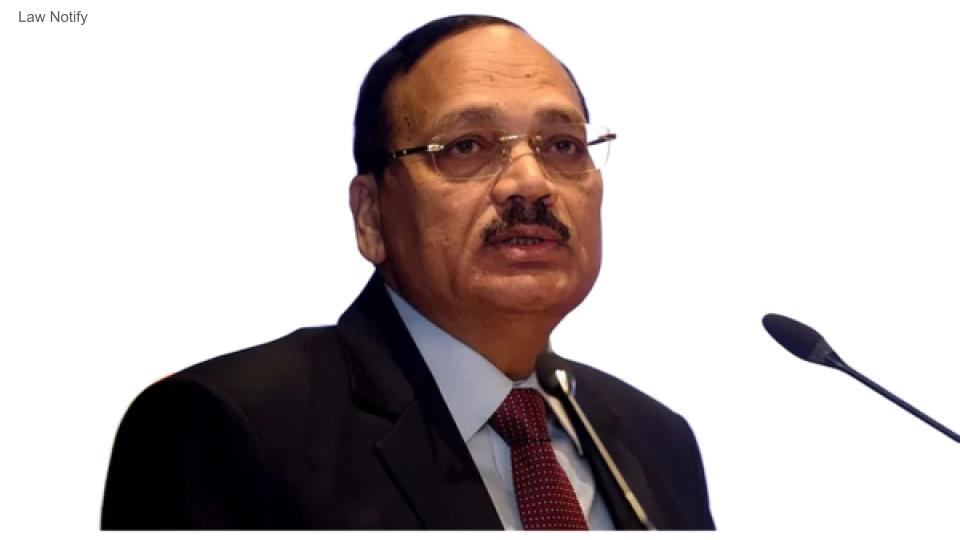
Hyderabad: Mediation is emerging as an increasingly important component of India’s justice delivery system, with parties to commercial contracts showing greater willingness to explore settlement before approaching courts, Telangana High Court senior judge Justice Puthichira Sam Koshy said.
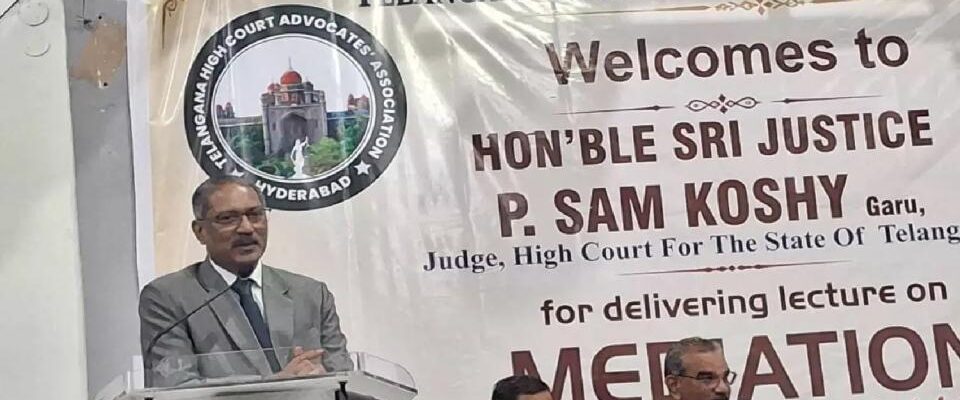
Justice Koshy was speaking at a lecture on mediation organised by the Telangana High Court Advocates Association at the Bar Association Hall of the High Court. He explained that mediation is a voluntary and non-binding process in which a neutral mediator assists disputing parties in communicating effectively and finding a mutually acceptable solution.
Unlike a judge or arbitrator, a mediator does not deliver a judgment, award or decree. Instead, the mediator facilitates discussions, helps parties identify the underlying issues and encourages them to explore possible settlements. Justice Koshy also highlighted confidentiality as a key feature of mediation, allowing parties to discuss their concerns openly without the pressure associated with formal court proceedings.
Drawing a distinction between mediation, arbitration and conciliation, he said mediation primarily relies on communication, persuasion and the willingness of parties to reach an agreement. No party can be compelled to accept a settlement through the mediation process.
Justice Koshy pointed out that conventional litigation can involve substantial costs, prolonged delays and multiple rounds of appeals and revisions. Apart from increasing the burden on courts, lengthy litigation can also damage relationships between disputing parties. Mediation, he said, offers a more flexible and potentially faster mechanism for resolving disputes while reducing pressure on the judicial system.
He also stressed the importance of professional training for mediators. Judicial officers and members of the Bar seeking to become trained mediators undergo a 40-hour training programme covering different stages of mediation, including opening statements, joint sessions and separate meetings with parties. According to Justice Koshy, a mediator must be capable of maintaining a calm and constructive environment even when discussions become emotionally charged, while helping parties move beyond personal or emotional positions and focus on the actual dispute.
Mediation can be particularly effective in family and matrimonial disputes, including matters relating to child custody and property partition. It has also found application in labour and industrial disputes. Justice Koshy further highlighted the potential of community-level mediation, under which community elders, village leaders and panchayat representatives can receive shorter training to help resolve minor local disputes before they escalate into court cases.
Referring to the Mediation Act, 2023, Justice Koshy said the legislation has provided statutory recognition to mediation, including pre-litigation and online mediation. These mechanisms can make dispute resolution more accessible, particularly in commercial matters involving parties located in different places. He also referred to the Supreme Court’s decision in Afcons Infrastructure as an important development in the integration of alternative dispute resolution mechanisms into the civil justice system.
Justice Koshy urged members of the Bar to actively encourage their clients to consider mediation wherever appropriate. He said successful mediation can result in a mutually acceptable, “win-win” settlement, rather than the conventional litigation model in which the outcome generally leaves one party as the winner and the other dissatisfied.
Speaking after the lecture, Telangana High Court Justice Surepalli Nanda also emphasised the importance of mediation in reducing the time, cost and stress associated with prolonged litigation. She said mediation can provide litigants with an opportunity to resolve disputes amicably instead of undergoing lengthy court battles.
Justice Nanda announced that a seminar and training programme on mediation is scheduled to be held in October and encouraged advocates across Telangana to participate. She said mediation training can provide lawyers with a different perspective when advising clients and help them approach disputes in a more constructive manner, while also contributing to their professional development.
Senior and junior advocates, members of the association’s executive committee and court staff attended the programme.