 111
111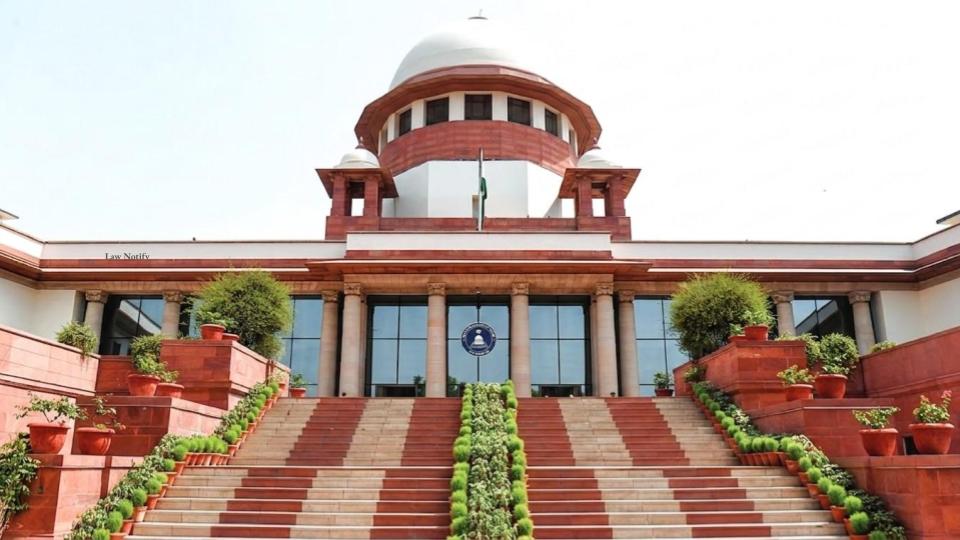 2
2 3456
3456 7
7 8
8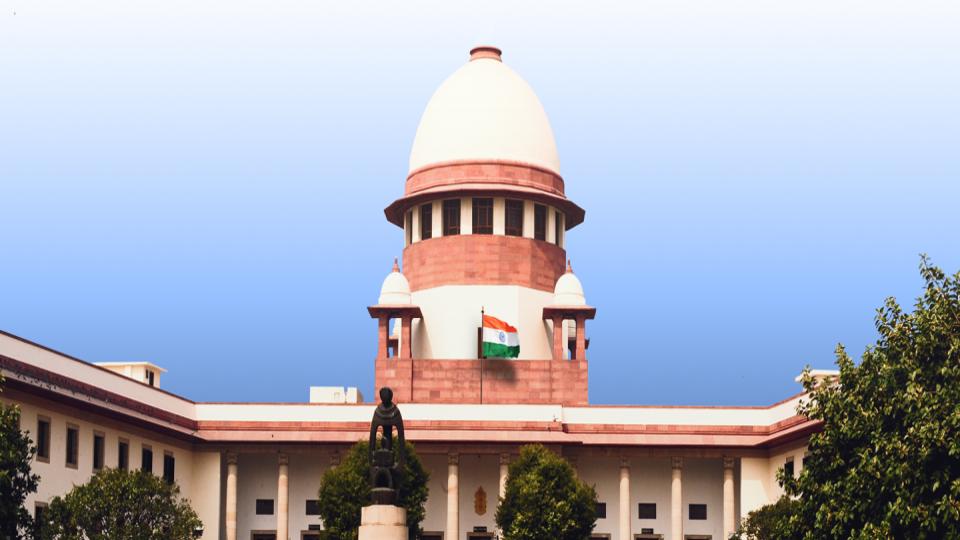 9
9 10
10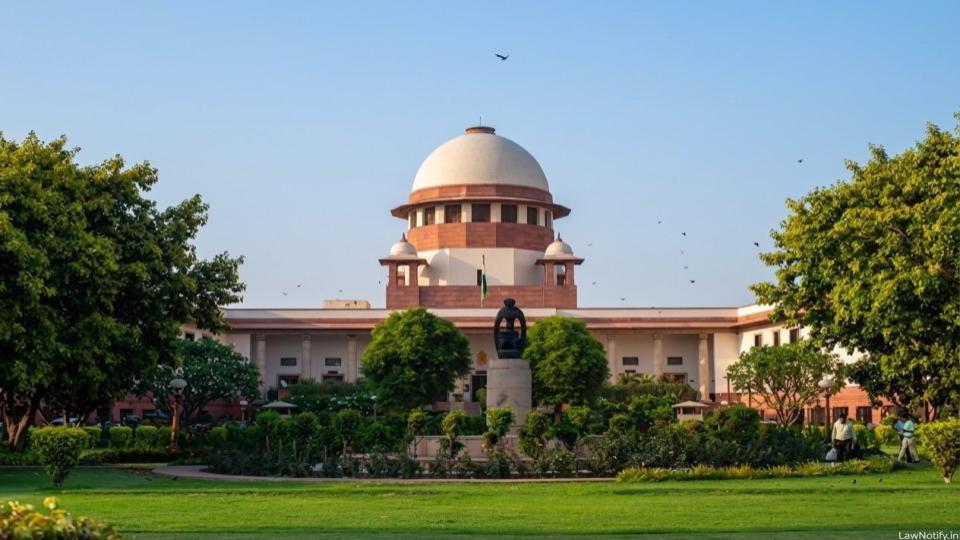
March 16, 2026 : The Supreme Court of India has observed that it cannot unilaterally impose its own views on matters related to legal education while hearing a petition seeking to reduce the duration of the five-year integrated LL.B programme to four years.
The plea was considered by a Bench of Justice Surya Kant and Justice Joymalya Bagchi. The petition, filed by advocate Ashwini Kumar Upadhyay, urged the Court to direct the creation of a Legal Education Commission comprising judges, legal scholars and other experts to examine the structure and duration of law courses in India.
During the hearing, the petitioner argued that most professional undergraduate programmes typically run for four years, and that the longer five-year integrated law course may discourage talented students from choosing a career in the legal profession.
The Bench, however, indicated that issues relating to academic policy and the design of legal education cannot be decided solely by the judiciary. The judges noted that such reforms require broad consultation among several stakeholders, including universities, regulatory authorities, members of the Bar and academic experts.
The Court observed that the judiciary is only one participant in the larger conversation on legal education and cannot “thrust” its views on how the system should be structured.
Referring to the history of the integrated law programme, the Bench noted that the five-year course was first introduced in the early 1980s at Maharshi Dayanand University in Rohtak. The model was later adopted by several other institutions, including National Law Universities across the country.
Questioning the need for judicial intervention in the matter, the Court remarked that if universities or academic bodies themselves feel that the existing course structure requires modification, they already have the institutional mechanisms to examine and implement such changes.
The case has been listed for further consideration on a later date, with the Court indicating that any structural reform in legal education would require wider consultation before a decision is taken.