News Citation : 2026 LN (HC) 207 | 2026:CGHC:12839-DB
March 18, 2026 : In a significant ruling, the Chhattisgarh High Court has dismissed an appeal filed by a Bilaspur-based coal trader seeking recovery of over ₹21 lakh from a brick manufacturing firm, holding that the claim was not supported by reliable and independent evidence.
The case arose from a civil dispute between Lalwani and Sons, a coal supplier, and Cheema Bricks, a firm operating a brick kiln in Mahasamund. The appellant, appearing in person, challenged a 2017 trial court decision that had rejected his recovery suit.
According to the appellant, he had supplied large quantities of coal to the respondents during the financial years 2011–12 and 2012–13. He claimed that despite partial payments, an outstanding amount of ₹18.45 lakh remained unpaid. Including damages and interest, the total claim was pegged at ₹21.18 lakh.
The respondents, however, disputed these claims, asserting that they had either cleared all dues or had, in fact, made excess payments. They also filed a counterclaim alleging overpayment, though it was dismissed earlier and not pursued further.
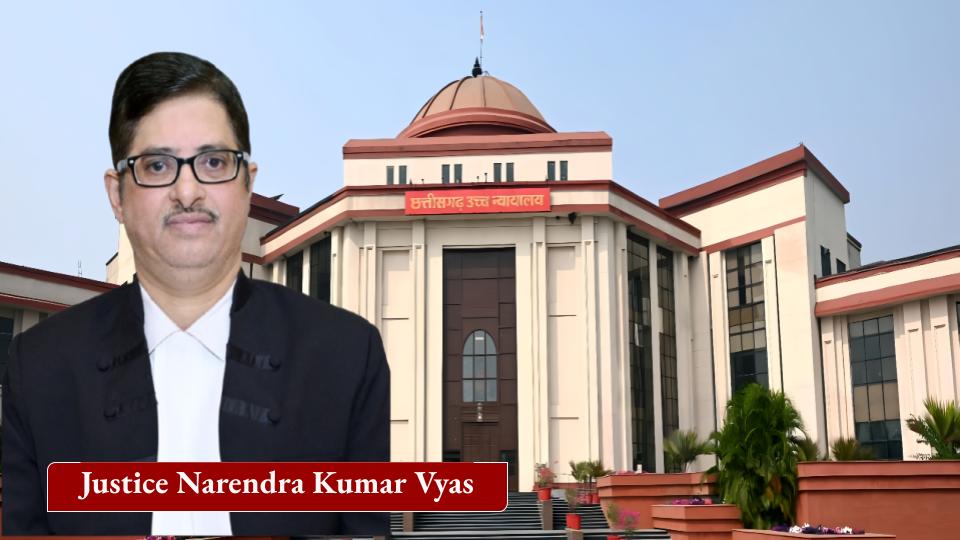
After examining the evidence, the High Court bench led by Chief Justice Ramesh Sinha upheld the trial court’s findings, emphasizing that the burden of proof lies on the plaintiff in recovery suits. The court noted that the appellant relied heavily on self-prepared documents such as account statements, schedules, and credit memos, without producing original records or independent corroboration.
Crucially, the court observed that the plaintiff failed to submit key documents such as original account books, delivery orders, transport records, invoices, or income tax returns. During cross-examination, the appellant admitted that many of the records were prepared based on his own accounts and that supporting documents were not filed.
The court reiterated the legal principle under Section 34 of the Indian Evidence Act, 1872, which states that entries in books of account, even if regularly maintained, cannot alone establish liability unless supported by independent evidence. It relied on established Supreme Court precedents to reinforce that self-serving entries lack evidentiary value without corroboration.
On the other hand, the respondents were able to produce bank deposit receipts and supporting testimony indicating payments made, some of which were not reflected in the plaintiff’s accounts. The court found that, on the balance of probabilities, the defendants’ version appeared more credible.
The bench concluded that the plaintiff failed to discharge the burden of proof required under civil law and that the trial court had correctly applied legal principles in dismissing both the suit and the counterclaim. Accordingly, the High Court dismissed the appeal.
Case Reference : FA No. 549 of 2017, Lalwani and Sons through its Proprietor Kalyan Das Lalwani v. Firm Cheema Bricks (wrongly described as “Brieks”) through its partners Jagveer Singh Chima & Others; Counsel for Appellant: Mr. Kalyan Das Lalwani (in person); Counsel for Respondents: Mr. Manoj Paranjpe, Senior Advocate, with Ms. Shivangi Agrawal, Advocate.