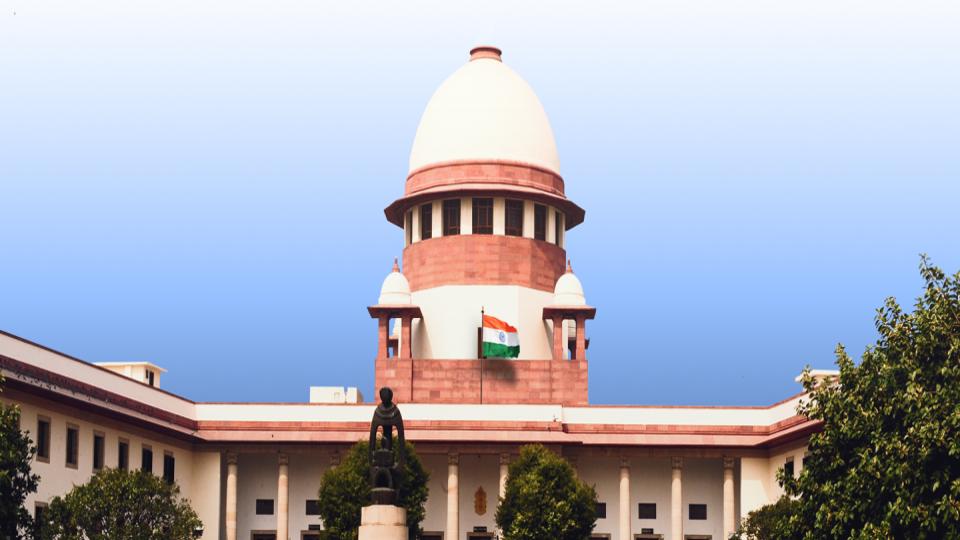
April 9, 2026 : A nine-judge Constitution Bench of the Supreme Court, led by Chief Justice Surya Kant, recently clarified the intersection of individual religious freedom and the autonomy of religious institutions. During the hearing of the Sabarimala reference case, the Bench observed that while Hinduism lacks a rigid, centralized hierarchy, devotees are legally and spiritually bound by the specific sampradayas (customs and practices) of the temples they visit.
Key Legal Arguments and Judicial Observations
- Pluralism vs. Discipline: Senior Advocate CS Vaidyanathan argued that Hinduism’s pluralistic nature means it lacks a “clerical head.” However, Justice BV Nagarathna countered that this freedom does not grant a “blanket right” to ignore local temple customs. Access to a temple is conditional upon adhering to its established rituals and usage.
- The Sabarimala Precedent: Regarding the entry of non-Hindus or diverse groups, Vaidyanathan clarified there is no legal bar, provided the visitor observes the 40-day vratam and demonstrates faith in Lord Ayyappa. He framed this as “religious discipline” rather than exclusionary practice.
- Institutional Analogies: The Bench cited various examples to illustrate the validity of entry regulations:
- Kerala Temples & Guruvayur: Restrictions on men wearing shirts.
- Gurudwaras: The mandatory requirement to cover one’s head.
- Article 25 vs. Article 26: Justice Joymalya Bagchi highlighted a critical constitutional nuance: when an individual voluntarily enters a religious institution, their individual rights (Article 25) may be temporarily subordinated to the institution’s right to manage its own religious affairs (Article 26(b)).
Challenging Previous Jurisprudence
The hearing saw a direct challenge to the 2018 Sabarimala verdict. Vaidyanathan contended that Article 26(b) is an independent fundamental right that should not be superseded by the State’s power to enact social reforms under Article 25(2)(b).
He specifically criticized the legal reasoning used by former CJI DY Chandrachud, arguing that prioritizing individual rights over denominational freedoms led to an erroneous conclusion in the original judgment. By questioning the precedent set in Sri Venkataramana Devaru v. State of Mysore, the counsel urged the Bench to re-evaluate the hierarchy of religious freedoms in India.
