News Citation : 2026 LN (CG-RERA) 41
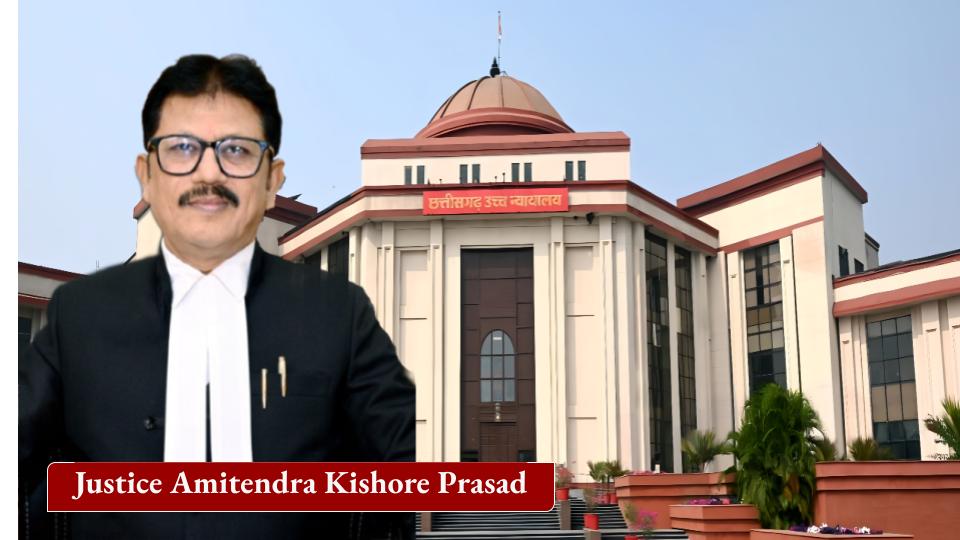
June 30, 2026 : The Chhattisgarh Real Estate Regulatory Authority (RERA), Raipur, has dismissed a complaint seeking possession of a residential flat and compensation in connection with the “Cool Life Condominium” project at Devpuri, Raipur, holding that the dispute involves complicated questions relating to the validity of a registered sale deed and allegations of fraud, which cannot be adjudicated in RERA proceedings. The Authority observed that such issues fall within the jurisdiction of a competent civil court.
The complaint was filed by Vinod Singhania under Section 31 of the Real Estate (Regulation and Development) Act, 2016 read with the Chhattisgarh Real Estate (Regulation and Development) Rules, 2017. The complainant alleged that he had entered into a sale transaction for Flat No. 303 in the residential project “Cool Life Condominium”, later renamed “Wellworth Apartment No. 1”, through a registered sale agreement and sale deed executed in February 2015. According to him, despite contractual assurances that possession would be handed over by 31 January 2016, the developer failed to deliver possession, obtain completion and occupancy-related compliances, or pay the agreed delay compensation. The complainant also alleged that the completed flat remained vacant while attempts were being made to deal with it in favour of third parties.
Seeking relief, the complainant requested RERA to direct the respondents to hand over physical possession of the flat along with electricity and water connections, completion-related documents and compensation for delay calculated from February 2016. He also sought restraint against creation of third-party rights and compensation for mental harassment and litigation expenses.
The respondents strongly disputed the claim and challenged the maintainability of the complaint. They contended that the registered sale deed relied upon by the complainant was void and legally unenforceable because no sale consideration had actually been paid. According to them, the document itself allegedly did not contain any genuine particulars of payment and therefore failed to satisfy the essential requirements of a valid sale under Section 54 of the Transfer of Property Act, 1882. They further alleged that the transaction was tainted by fraud and collusion involving the holder of a power of attorney, making the dispute one of title and civil rights rather than a regulatory dispute under RERA.
The respondents also argued that the complaint had been filed after nearly a decade of the alleged transaction and that RERA was not intended to revive stale property disputes involving disputed ownership, forgery or fraud. They relied upon several decisions of the Supreme Court as well as the Chhattisgarh Real Estate Appellate Tribunal to contend that questions relating to the genuineness or validity of a sale deed require a detailed trial before a civil court, where evidence, cross-examination and financial records can be examined comprehensively.
After considering the pleadings, RERA examined the scope of its jurisdiction under the Real Estate (Regulation and Development) Act, 2016. The Authority observed that while it has powers to regulate promoter-allottee disputes under the Act, it cannot undertake a detailed adjudication on disputed title, allegations of fraud or determine whether a registered sale deed is genuine or void. The Authority noted that such issues require elaborate evidence beyond the summary jurisdiction conferred upon RERA.
Referring to judicial precedents cited before it, the Authority emphasised that where the very foundation of the complainant’s claim depends upon deciding whether a registered sale deed is valid or fraudulent, the matter necessarily falls within the domain of a competent civil court. It further observed that “RERA cannot adjudicate complicated questions relating to title, fraud or validity of a sale deed which require detailed evidence.”
The Authority also discussed the legal distinction between regulatory disputes under the RERA Act and civil disputes concerning ownership of immovable property. It noted that although Section 79 of the RERA Act bars civil courts from entertaining matters specifically entrusted to RERA, the bar does not extend to disputes which RERA itself lacks jurisdiction to decide. Consequently, where the dispute revolves around ownership, validity of documents or allegations of fraudulent execution, the appropriate remedy lies before the civil court.
In view of these findings, the Chhattisgarh RERA declined to grant possession, compensation or any other relief sought by the complainant. The order makes it clear that parties involved in disputes requiring adjudication of title, fraudulent execution of documents or invalidity of sale deeds must approach the competent civil court instead of invoking the regulatory jurisdiction under the Real Estate (Regulation and Development) Act, 2016. The ruling reinforces the limited but significant role of RERA as a specialised regulatory authority and clarifies that it cannot replace civil courts in resolving complex property ownership disputes.
Case Reference: Vinod Singhania v. Rajendra Kumar Jain & Anr., Chhattisgarh Real Estate Regulatory Authority (RERA), Raipur, Case No. M-PRO-2026-03497