The Supreme Court observed that protest sites cannot remain occupied indefinitely, emphasising that everyone has the right to protest but demonstrations must be regulated for designated periods. Traders allege significant business losses due to protests at Ramlila Maidan.
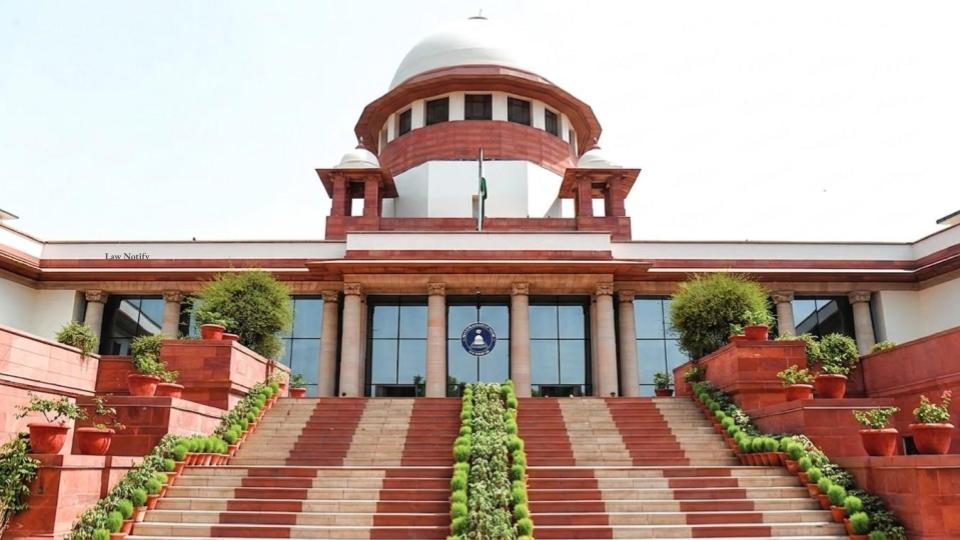
The Supreme Court on Wednesday sought responses from the Central Government and other authorities on a plea filed by traders’ organisations seeking restrictions on the ongoing protests against the Chief Election Commissioner (CEC) during the festive season.
A Bench comprising Chief Justice Surya Kant and Justices Joymalya Bagchi and V. Mohana was hearing a batch of petitions concerning various issues arising from the protests, including alleged mass detentions, police brutality, closure of Metro stations and internet shutdowns.
One of the petitions was filed by the Kirana Committee Delhi, which alleged that the ongoing demonstrations at Ramlila Maidan had adversely affected commercial activities and caused financial losses to traders, particularly during the festive period.
During the hearing, the Supreme Court observed that a protest site cannot be occupied indefinitely. The Bench emphasised that while every individual and organisation has the constitutional right to peaceful protest, such demonstrations must also be regulated to ensure that public spaces remain accessible to others.
The Court remarked that the protest site cannot be occupied for all time to come and that designated time must be provided for protests for a specified period. The observation highlights the need to balance the right to peaceful assembly with the rights of traders, commuters and other members of the public.
The Bench also asked the traders’ organisations to implead the organisers of the anti-CEC protests as parties to their petition. It observed that the issues raised by the traders, particularly allegations of business losses arising from the demonstrations, could not be effectively adjudicated without hearing the protest organisers.
The matter also involves broader concerns relating to alleged police excesses, detention of protesters, disruption of public transport services and internet restrictions. The Supreme Court is examining these interconnected issues while considering the competing rights and interests of the stakeholders.
The proceedings underline the importance of maintaining a balance between the fundamental right to assemble and demonstrate peacefully under Article 19(1)(b) of the Constitution and the need to protect public order, commercial activities and the rights of the general public.