Plea questions the constitutional validity of legal protection granted to the Chief Election Commissioner and Election Commissioners, arguing that the provision shields even alleged mala fide actions from judicial scrutiny.
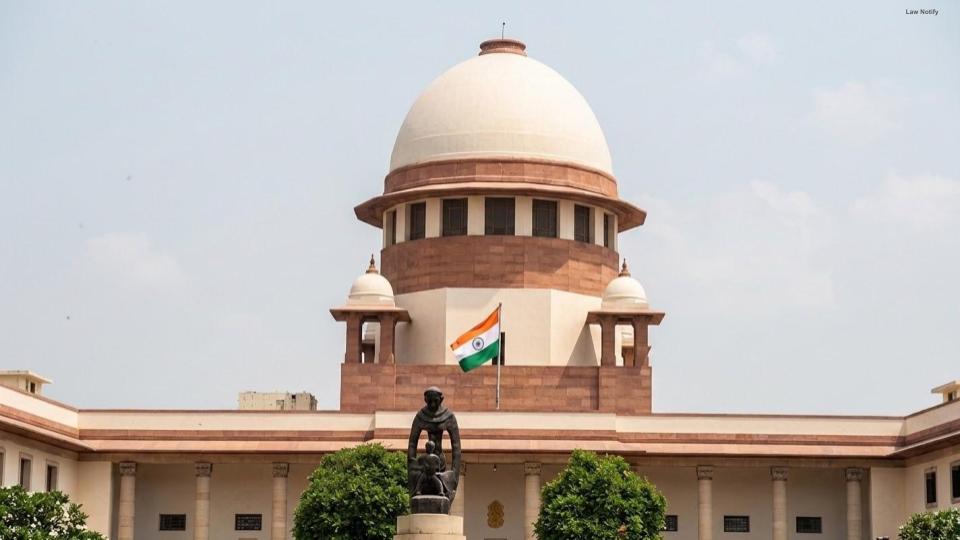
The Supreme Court of India has sought responses from the Central Government and the Election Commission of India (ECI) on a petition challenging the constitutional validity of Section 16 of the Chief Election Commissioner and Other Election Commissioners (Appointment, Conditions of Service and Term of Office) Act, 2023.
A three-judge Bench comprising Chief Justice of India Surya Kant and Justices Joymalya Bagchi and V. Mohana issued notices to the respondents while hearing the petition challenging the statutory immunity granted to the Chief Election Commissioner (CEC) and other Election Commissioners.
Section 16 of the 2023 Act provides protection against civil and criminal proceedings in respect of acts done or words spoken in the discharge of official duties. The petitioner has questioned the sweeping nature of this protection, contending that it is excessive and unconstitutional.
The plea argues that the provision does not provide any exception for acts allegedly committed without good faith or involving mala fide intentions. According to the petitioner, such blanket immunity could leave voters, electoral candidates and ordinary citizens without an effective legal remedy against alleged wrongful actions by the Election Commission or its officials.
The petitioner has further submitted that protecting constitutional authorities from frivolous litigation is a legitimate objective. However, such protection should not completely eliminate legal accountability. It has suggested that appropriate safeguards, including prior judicial scrutiny and mechanisms to prevent vexatious complaints, would sufficiently protect Election Commissioners while preserving citizens’ right to seek legal remedies.
The constitutional challenge raises significant questions concerning the balance between institutional independence and public accountability, particularly in the context of India’s electoral framework.
The Supreme Court’s consideration of the matter is significant because the outcome may clarify the permissible extent of statutory immunity available to constitutional election authorities and the scope of judicial remedies against alleged misuse of official powers.