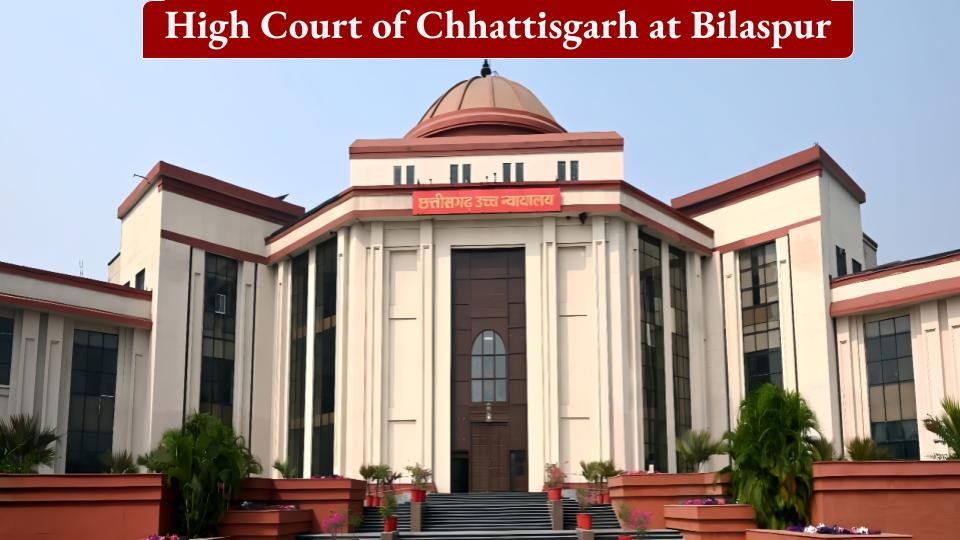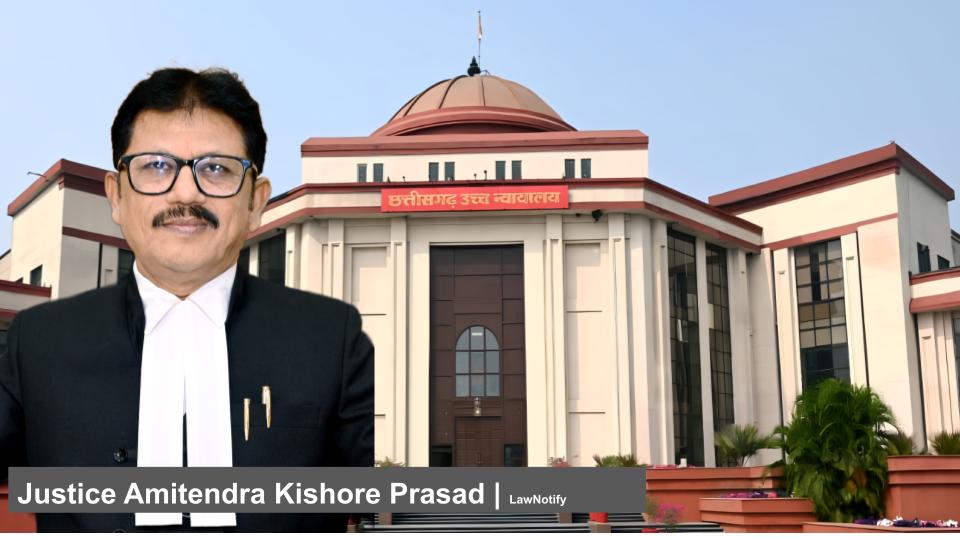
A single-judge Bench of Justice Amitendra Kishore Prasad held that a fatwa cannot override an individual’s legal or fundamental rights. However, the Court dismissed a petition alleging social boycott following an inter-sect Muslim marriage, observing that the petitioners failed to establish the alleged boycott or infringement of their fundamental rights.
Bilaspur: The Chhattisgarh High Court has reiterated that a fatwa issued by a religious body has no binding legal force under the constitutional framework of India and cannot be enforced in a manner that prejudices the legal rights of any individual. However, the Court dismissed a petition filed by two siblings alleging social boycott following a marriage between members of two different Muslim sects, observing that there was insufficient evidence to establish the alleged infringement of their fundamental rights.
Justice Amitendra Kishore Prasad, while deciding the petition on November 3, 2026, observed that a fatwa has no legal status in the constitutional scheme of India. The Court clarified that although fatwas have been issued and continue to be issued, they cannot override the legal rights guaranteed to individuals under the Constitution.
The Court observed that a fatwa “has no binding legal force and cannot be enforced so as to prejudice the legal rights of any person.” Nevertheless, it held that the petitioners had failed to establish, through cogent material, that the alleged fatwa had actually resulted in their social boycott or violated their fundamental rights.
The Court further observed that the petitioners had not placed sufficient material on record to demonstrate an enforceable infringement of their rights warranting judicial intervention under Article 226 of the Constitution of India.
Background: Fatwa Issued After Marriage Between Sunni and Shia Muslims
The matter arose from a marriage solemnised on August 17, 2019, between the daughter of one of the petitioners and a Shia Muslim man. The petitioners, a brother and sister belonging to the Sunni Muslim community, alleged that members of the local Jama Masjid management committee issued a fatwa on August 23, 2019, just six days after the marriage.
According to the petitioners, the alleged fatwa declared them and their family members to be no longer Muslims and directed members of the community to socially boycott them.
The brother further alleged that the action was motivated by personal vendetta because he had earlier complained to the Chhattisgarh State Waqf Board regarding alleged financial irregularities and embezzlement by members of the mosque management committee.
Following his complaint, the Waqf Board had reportedly dissolved the committee, appointed an administrator and initiated an inquiry into the allegations.
The petitioners contended that the subsequent issuance of the fatwa was an attempt to harass, humiliate and socially isolate their family.
Petitioners’ Arguments: Alleged Interference With Fundamental Rights
Advocate Malay Shrivastava, appearing for the petitioners, submitted that the alleged fatwa dated August 23, 2019, purportedly declared the marriages of persons who had attended the marriage ceremony to be invalid and directed them to remarry their respective spouses.
It was argued that the mosque management committee had no legal authority to interfere in a personal and familial matter or determine the religious status of individuals who attended the marriage ceremony.
The petitioners further contended that the alleged action was arbitrary, contrary to Muslim Personal Law and an abuse of authority by the mosque committee. They claimed that the fatwa resulted in their social boycott by members of the Muslim community.
It was also submitted that such interference in personal and family matters could not be justified in the name of religious practice, particularly when it allegedly affected the dignity, reputation and social standing of the individuals concerned.
The petitioners therefore sought judicial intervention, alleging violations of their fundamental rights, particularly the right to life and personal liberty guaranteed under Article 21 of the Constitution.
State’s Response: Inquiry Found No Evidence of Social Boycott
Opposing the petition, Central Government Counsel Trivenee Shankar Sahu submitted that the allegations primarily concerned the actions of a private religious committee and certain individuals. He argued that the Union of India had no direct role in the issuance or implementation of the alleged fatwa.
On behalf of the State, it was submitted that the complaint had been investigated and appropriate proceedings under the Code of Criminal Procedure, 1973, had been undertaken. However, the inquiry did not disclose any material indicating the commission of a cognizable offence warranting registration of an FIR.
The State further relied upon the inquiry report dated January 15, 2020, submitted by the Deputy Superintendent of Police, which recorded that no fatwa directing the social boycott of the petitioners had been issued and that no such boycott was prevailing in society.
Accordingly, the State argued that there was no sufficient basis for invoking the extraordinary writ jurisdiction of the High Court.
High Court’s Findings: No Cogent Evidence to Establish Violation of Rights
After considering the submissions and material placed on record, the High Court found that the petitioners had failed to establish that the alleged fatwa had actually resulted in their social boycott or that any enforceable infringement of their fundamental rights had occurred.
The Court relied upon the inquiry report dated January 15, 2020, which did not substantiate the allegations of social boycott.
The Court emphasised that mere allegations, without supporting evidence, could not constitute sufficient grounds for granting relief under Article 226 of the Constitution.
It observed:
“In the absence of cogent material, the allegations made in the petition cannot, by themselves, constitute sufficient ground for granting the relief sought by the petitioners.”
The Court further held:
“The petitioners have failed to establish, on the material placed before this court, that the alleged fatwa resulted in the asserted social boycott or any enforceable infringement of their fundamental rights warranting interference under Article 226 of the Constitution of India.”
Legal Position: Fatwa Cannot Override Constitutional Rights
Reiterating the legal position laid down by the Supreme Court in an earlier judgment, the High Court observed that a fatwa does not possess binding legal status under the constitutional framework of India.
The Court reiterated:
“The fatwa has no legal status in our constitutional scheme. Notwithstanding that, it is an admitted position that fatwas have been issued and are being issued.”
The legal significance of the observation is that religious opinions or declarations issued by private religious bodies cannot acquire the force of law or be used to restrict the legal rights and constitutional protections available to individuals.
The Court’s observations also reaffirm that matters involving alleged coercion, social exclusion or interference with personal liberty must be examined on the basis of legally sustainable evidence.
Petition Dismissed, Liberty to Avail Other Legal Remedies
Finding no sufficient material to establish the alleged social boycott or infringement of fundamental rights, the Chhattisgarh High Court dismissed the petition.
However, the Court clarified that the petitioners would remain at liberty to avail themselves of any other remedy available to them in accordance with law, if so advised.
Legal Significance: The decision reiterates two important principles: a fatwa has no binding legal force and cannot override an individual’s constitutional or legal rights; at the same time, a petitioner seeking writ relief under Article 226 must establish the alleged infringement through cogent and reliable material.