July 15, 2026 : The Supreme Court on Tuesday agreed to hear a batch of appeals filed by members of the Muslim community challenging the Madhya Pradesh High Court judgment that declared the disputed Bhojshala-Kamal Maula complex in Dhar district to be a temple dedicated to Goddess Vagdevi (Saraswati).
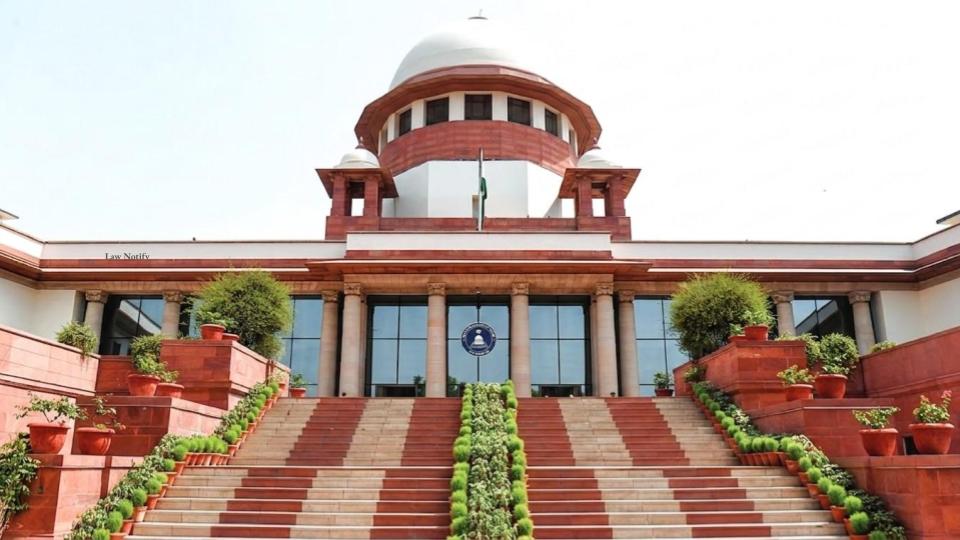
A Bench comprising Chief Justice of India Surya Kant, Justice Joymalya Bagchi and Justice V. Mohan issued notices to the Hindu parties, the Madhya Pradesh government, the District Magistrate and the Archaeological Survey of India (ASI). The Court directed that the appeals be listed for hearing after three weeks.
The Supreme Court declined to stay the High Court judgment at the interim stage. It also refused to restore the earlier arrangement under which members of the Muslim community were permitted to offer Friday namaz inside the disputed complex, observing that any interim order altering the present situation could affect law and order and communal harmony. As a result, the restriction on offering Friday namaz within the complex will continue.
However, the Court directed the Madhya Pradesh government to provide a designated open space adjacent to the disputed site where members of the Muslim community may offer Friday prayers between 1 pm and 3 pm. The Bench clarified that this arrangement is purely temporary and will remain subject to the final outcome of the appeals without affecting the rights or claims of either party.
The Court further directed that the ASI shall not undertake any structural alteration, modification or change to the protected monument without obtaining prior permission from the Supreme Court. It also made it clear that no action based on the ASI survey or any structural work should be carried out without the Court’s approval. The Bench advised both sides to maintain restraint while the dispute remains pending.
Appearing for the Muslim appellants, Senior Advocate Huzefa Ahmadi argued that the principal question was whether the High Court could determine the religious character of the disputed property in proceedings under Article 226 of the Constitution without a full-fledged civil trial. He submitted that the judgment disturbed a long-standing arrangement under which Hindu worship and Muslim prayers had peacefully coexisted for centuries.
Senior Advocate Abhishek Manu Singhvi submitted that Friday namaz had been offered at the site for several centuries and that the ASI’s 2003 administrative arrangement had successfully allowed both communities to practise their respective faiths. He argued that reopening historical religious disputes undermined the constitutional principles of secularism and fraternity and urged the Court to preserve the earlier arrangement until the appeals are finally decided.
Senior Advocate Meenakshi Arora questioned the maintainability of the writ proceedings before the High Court, contending that disputed questions relating to title and ownership could not be conclusively decided in writ jurisdiction. She argued that although the High Court stated it was not deciding title, it nevertheless determined the religious character of the monument.
Solicitor General Tushar Mehta, appearing for the State of Madhya Pradesh, opposed any restoration of the earlier arrangement. He submitted that the High Court judgment had already been implemented and reversing the present position after nearly two months would create administrative difficulties and adversely affect law and order. The State also informed the Court that it remained willing to consider allotting separate land to the Muslim community in accordance with the High Court’s directions.
Representing the Hindu parties, Senior Advocate Guru Krishnakumar opposed interim relief, arguing that once the High Court had delivered its judgment, the previous administrative arrangement could not automatically revive. He also pointed out that the appeals were not urgently mentioned immediately after the High Court’s decision.
The Supreme Court observed that the earlier arrangement existed only while the issue regarding the religious character of the monument remained pending before the High Court. Since the High Court had now delivered its findings, the previous arrangement could not be restored merely because those findings were under challenge. The Bench also expressed reservations regarding the High Court’s direction asking the Central government to consider bringing back the idol of Goddess Saraswati from a museum in London for reinstallation at the disputed complex.
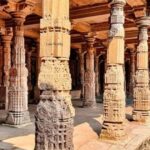
The dispute relates to the ASI-protected Bhojshala-Kamal Maula complex in Dhar district, Madhya Pradesh. The Hindu community claims the site as Bhojshala, an ancient temple dedicated to Goddess Saraswati established during the reign of Raja Bhoj, while the Muslim community identifies it as the Kamal Maula Mosque where namaz has been offered for centuries.
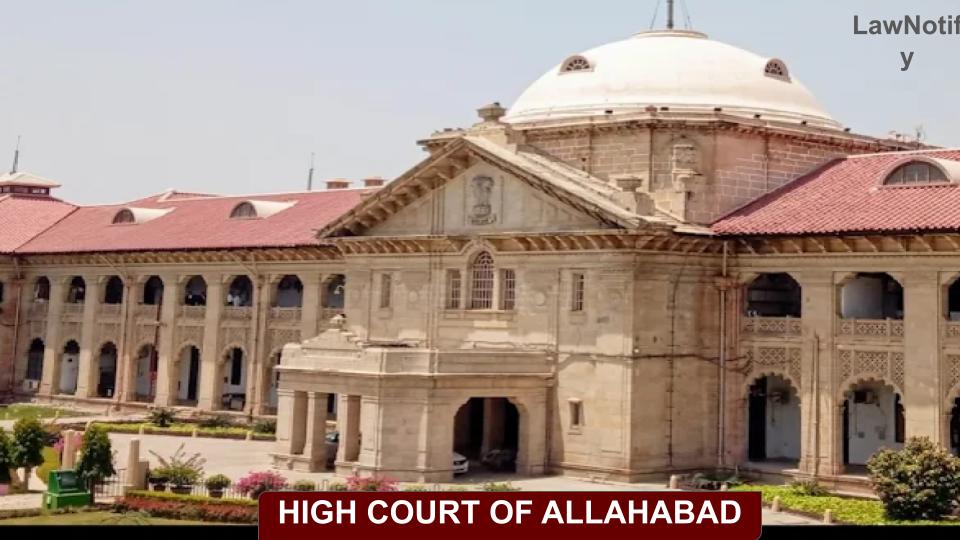
On May 15, the Madhya Pradesh High Court, relying on archaeological findings and historical evidence, held that the religious character of the monument was that of Bhojshala, a temple dedicated to Goddess Saraswati. It quashed the ASI’s 2003 administrative order that had allowed Hindu worship on specified days and Muslim Friday prayers. The High Court also authorised the Centre and the ASI to regulate the administration of the protected monument and permitted the Muslim community to seek alternative land from the State Government for construction of a mosque.
The appeals before the Supreme Court challenge these findings, with the appellants arguing that the High Court’s judgment is legally inconsistent because it declared the religious character of the monument despite stating that it was not deciding questions of title. They further contend that setting aside the ASI’s 2003 arrangement has disrupted a system that had maintained communal harmony, protected the monument and balanced the religious rights of both communities for more than two decades.