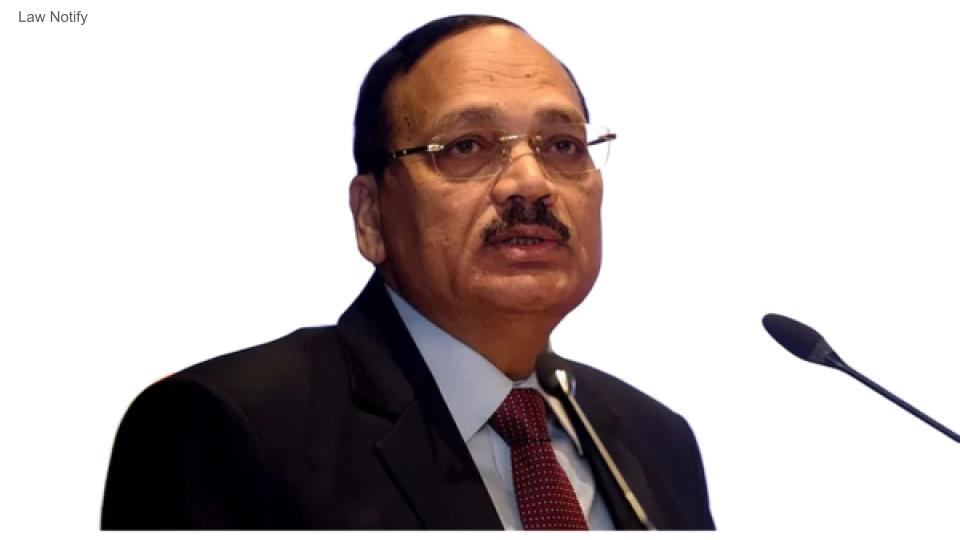
New Delhi: Chief Justice of India (CJI) Surya Kant has emphasized the importance of transparency, accountability and continuous reform in the judiciary, describing the mechanism developed by the Supreme Court and High Courts to deal with complaints against judges as robust, highly responsive and timely.
Addressing the 6th Ram Jethmalani Memorial Lecture in New Delhi, CJI Surya Kant spoke on the theme “Justice Seen to Be Done: Transparency and Public Trust as Pillars of the Legal System.”
Continuous Reform Essential for the Judiciary
The Chief Justice said reform should remain a continuous process and stressed that no institution can afford to take pride in remaining static.
He underlined the need for the judiciary to constantly examine and improve its functioning in order to strengthen public confidence in the legal system.
Judiciary Cannot Be Averse to Criticism
CJI Surya Kant said the judiciary itself has recognized the importance of criticism. Reiterating the Supreme Court’s position, he said the institution is neither averse to criticism nor can it afford to be.
According to him, fair, informed and constructive criticism of judicial functioning is a legitimate and necessary part of a vibrant constitutional democracy.
Transparency Key to Public Confidence
The CJI said judicial transparency is closely linked to the ability of courts to maintain public confidence. A court cannot expect to command public trust by placing itself beyond scrutiny.
Instead, he said, the judiciary must remain open to examination, questioning and, where necessary, criticism. Such openness strengthens accountability and reinforces confidence in the judicial process.
Public Trust Is More Than Public Approval
CJI Surya Kant also drew a clear distinction between public trust and public approval. He said genuine public trust is established when even a person who loses a case continues to believe that the judicial process was fair.
He emphasized that the credibility of the judiciary depends not merely on the outcome of cases, but also on whether people perceive the process as impartial, transparent and fair.
Robust Mechanism for Complaints Against Judges
The Chief Justice described the mechanism developed by the Supreme Court and High Courts for addressing complaints against judges as robust, responsive and timely.
His remarks highlighted the importance of institutional mechanisms that allow concerns regarding judicial functioning to be addressed appropriately while maintaining the independence and integrity of the judiciary.
The keynote address ultimately emphasized that transparency, accountability, constructive criticism and continuous reform are essential to strengthening public trust in India’s judicial system.