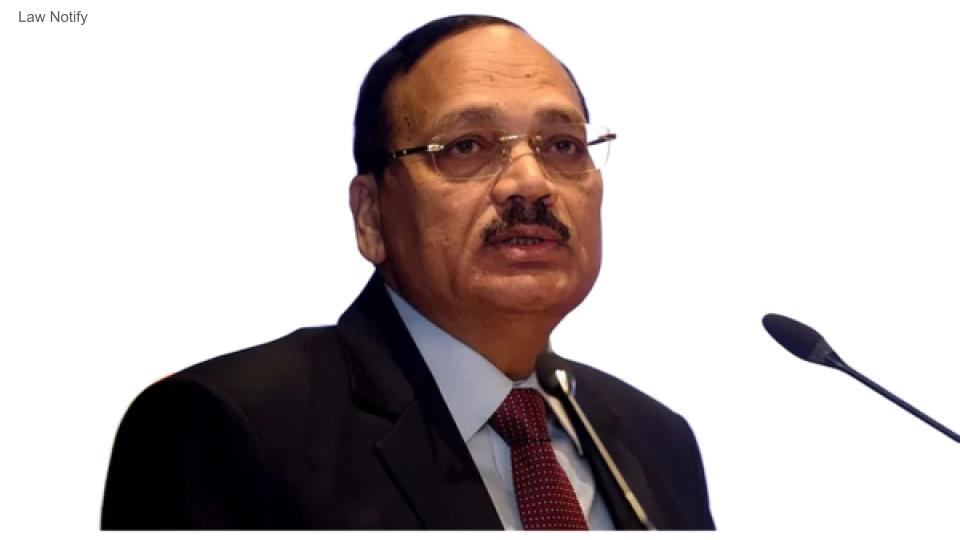
August 1, 2026 : Chief Justice of India (CJI) Surya Kant on Saturday described mediation as the future of dispute resolution, saying that consensual mechanisms empower litigants to shape their own outcomes while fostering lasting settlements, preserving relationships, and ensuring meaningful access to justice.
Delivering the keynote address at the Commonwealth Peace Mediation Conference on the theme “Peace, Mediation and the Rule of Law,” the CJI called for placing mediation at the heart of modern dispute resolution systems across India and the Commonwealth. The conference brought together judges, jurists, mediators, legal practitioners and policymakers to discuss the growing role of mediation in strengthening justice delivery.
Highlighting the unique advantages of mediation, Justice Surya Kant said it is the only process that allows parties to craft their own resolution in language of their own choosing, at a pace and cost proportionate to the dispute. He said party autonomy, procedural flexibility and accessibility make mediation an effective alternative to adversarial litigation.
To illustrate the philosophy of mediation, the CJI opened his address with the well-known “Orange Quarrel” parable. He explained that instead of merely deciding how to divide an orange between two sisters, understanding why each sister wanted the fruit would have revealed that both could receive exactly what they needed. According to him, this story reflects the essence of mediation, which focuses on uncovering the underlying interests behind a dispute rather than merely resolving competing legal claims.
Justice Surya Kant observed that this approach is deeply rooted in India’s civilisational traditions. Referring to the Bhagavad Gita, he recalled Lord Krishna’s mission to Hastinapura as a Shanti Doot (Emissary of Peace) before the Mahabharata war, noting that conciliation was regarded as the most honourable course before conflict. He also cited Kautilya’s Arthashastra, where conciliation is recognised as the first among the four traditional instruments of diplomacy, demonstrating that negotiated settlement has long formed an integral part of India’s legal and political philosophy.
Speaking about recent legal developments, the CJI said the Mediation Act, 2023 has, for the first time, created a comprehensive statutory framework for voluntary mediation, court-annexed mediation and community mediation. He described the legislation as a landmark step towards institutionalising mediation within India’s justice delivery system.
Justice Surya Kant also referred to the Supreme Court’s decisions in M.R. Krishna Murthy v. New India Assurance Co. Ltd. and Moti Ram v. Ashok Kumar, which encouraged mediation in motor accident, insurance and matrimonial disputes. He observed that these judgments reaffirm the Rule of Law by ensuring that justice is delivered through mechanisms best suited to the needs of the parties.
The CJI emphasised that the Rule of Law should not be understood as requiring every grievance to be resolved through adjudication. Instead, he said, its true purpose is to ensure that every citizen has access to justice that is timely, accessible and dignified.
Comparing mediation with other dispute resolution mechanisms, Justice Surya Kant noted that arbitration, despite its procedural efficiency, generally produces a winner and a loser, while litigation primarily serves the development of legal precedents. Mediation, on the other hand, enables parties to participate directly in designing the terms of settlement, increasing the likelihood of preserving relationships and ensuring voluntary compliance with the agreed outcome.
Announcing a significant initiative, the CJI said the Supreme Court will organise “Samadhan Samaroh”, a Special Lok Adalat, from August 21 to 23 to facilitate the consensual settlement of pending cases before the apex court. He expressed hope that disputes pending before the Supreme Court would achieve final resolution through consensus rather than prolonged contest.
Concluding his address, Justice Surya Kant commended the organisers for bringing together stakeholders from across Commonwealth jurisdictions. He said such platforms help preserve traditional wisdom while adapting it to the evolving needs of modern justice systems. Expressing confidence in the future of mediation, he remarked that these deliberations would ensure that “old wisdom finds new custodians” and continue India’s long-standing tradition of peaceful and consensual dispute resolution.