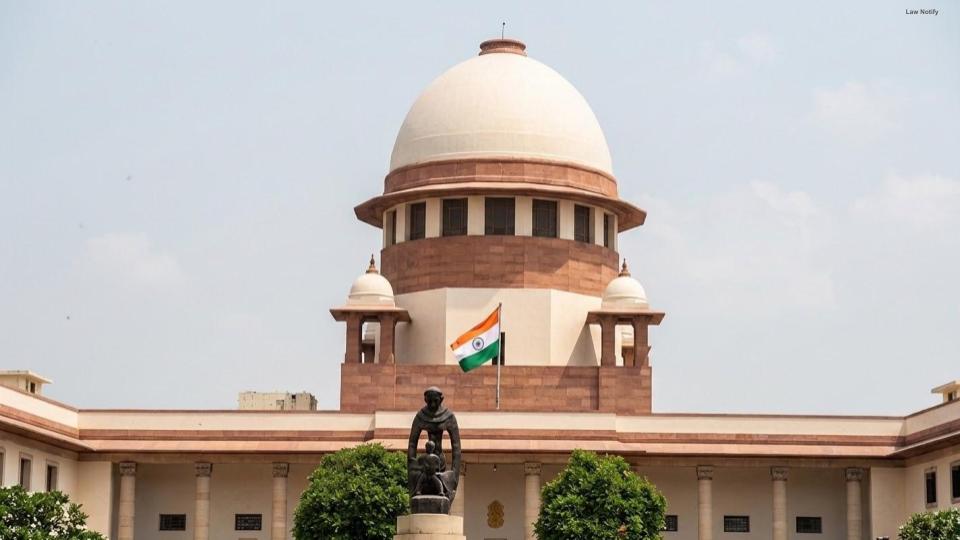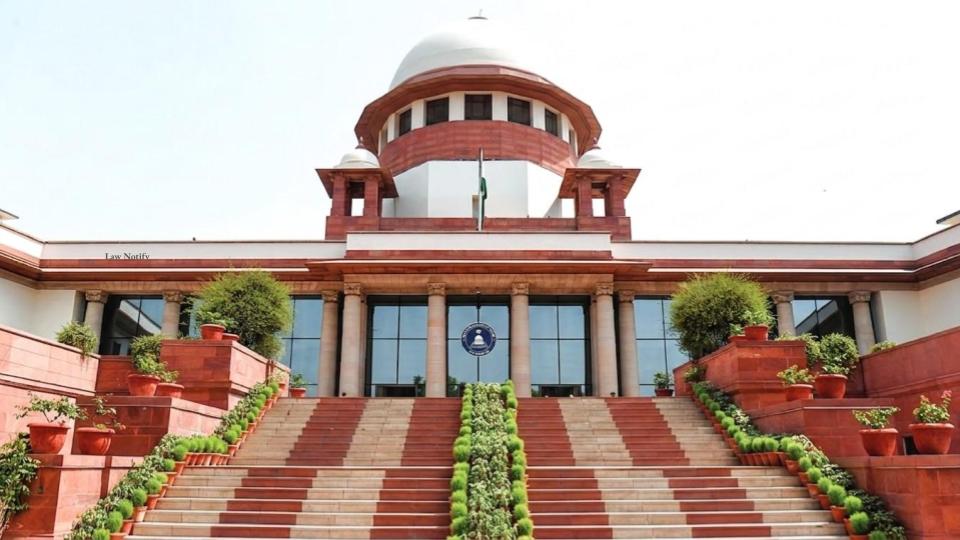
New Delhi: The Supreme Court has held that the appointment of Tadasha Mishra as Director General of Police (DGP) of Jharkhand was in violation of the principles laid down by the court requiring an officer to have at least six months of residual service at the time of appointment.
Mishra, a 1994-batch Indian Police Service (IPS) officer, was appointed as Jharkhand DGP by the Hemant Soren-led government in December last year, just a day before she was due to retire.
The observation was made in proceedings concerning the appointment of DGPs by state governments. Senior Advocate and amicus curiae Raju Ramachandran has submitted a note before the Supreme Court following its August 18 order, drawing attention to the legal position governing such appointments.
The matter arises from a petition filed by former Jharkhand Chief Minister Babulal Marandi challenging amendments made by the state government to its rules governing the appointment of the Director General of Police.
The Supreme Court observed that appointing a police chief only one day before the officer’s scheduled superannuation was “clearly in complete violation” of the principles established in the court’s landmark judgments concerning police reforms.
In its 2006 judgment in Prakash Singh v. Union of India, the Supreme Court had directed that the DGP should be selected from among the three seniormost eligible officers empanelled by the Union Public Service Commission (UPSC). The selection was to be based on the officers’ service record, experience and suitability to lead the state police force.
The court’s directions were intended to ensure that the appointment of the police chief was insulated from arbitrary or short-term considerations and that the incumbent had sufficient tenure to provide effective leadership to the police force.
The Jharkhand appointment has therefore brought renewed scrutiny to the manner in which states frame and apply rules governing the appointment and tenure of DGPs, particularly where an officer has only a very short period of service remaining.