April 16, 2026 : The Supreme Court of India on Thursday declined to interfere with the Election Commission of India’s decision to transfer senior bureaucrats and police officers in West Bengal ahead of the Assembly elections, observing that such measures are routine during the electoral process.
A Bench comprising Chief Justice of India Surya Kant, Justice Joymalya Bagchi and Justice Vipul M Pancholi found no grounds to intervene, particularly in view of the impending polls.
At the same time, the Court acknowledged that the petition raised an important legal issue regarding whether the Election Commission is required to consult the state government before ordering such transfers. Terming it a substantial question of law, the Bench left the issue open for consideration in an appropriate case.
The petition, filed by Advocate Arka Kumar Nag, challenged the large-scale reshuffle of key officials, including the Chief Secretary, Director General of Police, Home Secretary, District Magistrates and Superintendents of Police. It also questioned the transfer of several IPS officers from the West Bengal cadre to other states on election duty and assailed a March 31 order of the Calcutta High Court refusing to stay the transfers.
Appearing for the petitioner, Senior Advocate Kalyan Banerjee argued that the transfers violated provisions of the Representation of the People Act, 1951 and were carried out without mandatory consultation with the state government. He contended that the scale of the reshuffle, including the transfer of the Chief Secretary, was unprecedented and disrupted the administrative machinery.
The Bench, however, indicated that such deployments, including bringing in officers from outside the state, are often undertaken to ensure free and fair elections. It also questioned the basis of the challenge, noting that the officers concerned belonged to the same state cadre.
Emphasising the need to safeguard the integrity of the electoral process, the Court observed that the Election Commission, as a constitutional authority, may take firm administrative measures to ensure fair polls. It also noted an apparent lack of trust between the Commission and the state authorities.
Justice Bagchi observed that the issue of consultation with the state government carried some significance, which warranted keeping the question open for future adjudication.
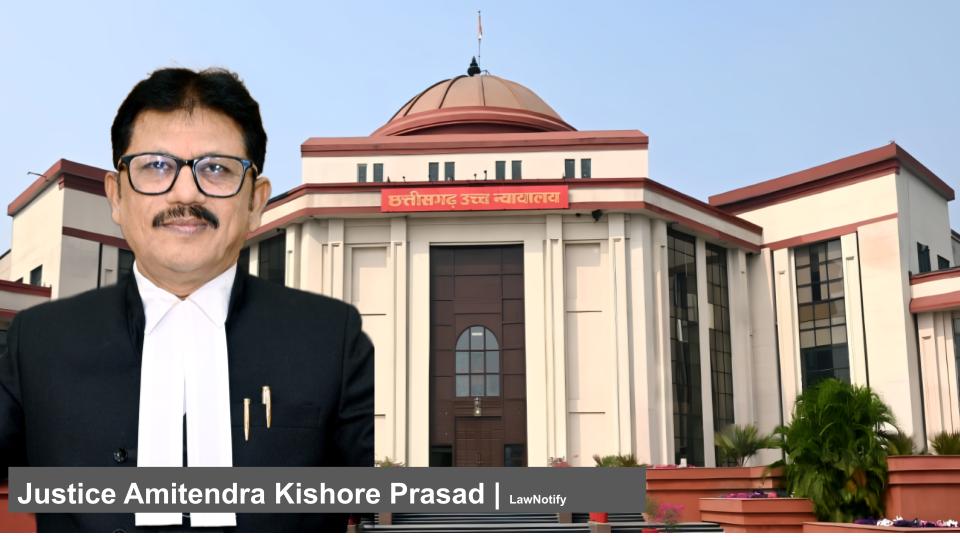
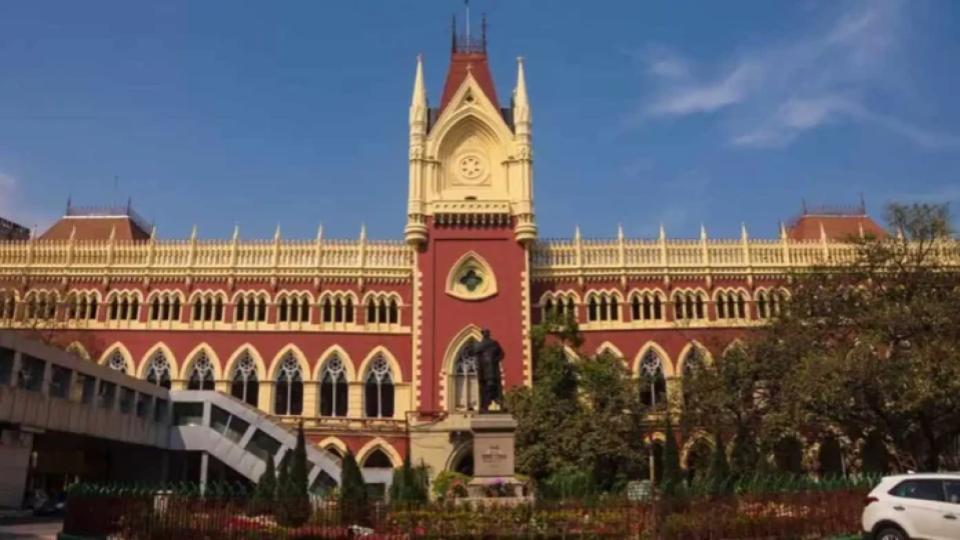
Earlier, on March 31, a Division Bench of Chief Justice Sujoy Paul and Justice Partha Sarathi Sen of the Calcutta High Court had refused to stay the transfers. The High Court held that the petitioner did not dispute the Election Commission’s power to transfer officials and found no evidence of mala fide intent. It reiterated that courts should not interfere with administrative decisions of the Commission unless there is clear illegality.
The High Court also noted that all transferred officials were promptly replaced and that similar measures had been taken in other states, rejecting allegations of discrimination. It stressed that election management is a specialised exercise requiring judicial restraint and dismissed the PIL as lacking merit, while leaving it open for individual officers to challenge their transfers.
Agreeing with this reasoning, the Supreme Court upheld the transfers and declined relief, while keeping the larger legal question on consultation with the state government open.