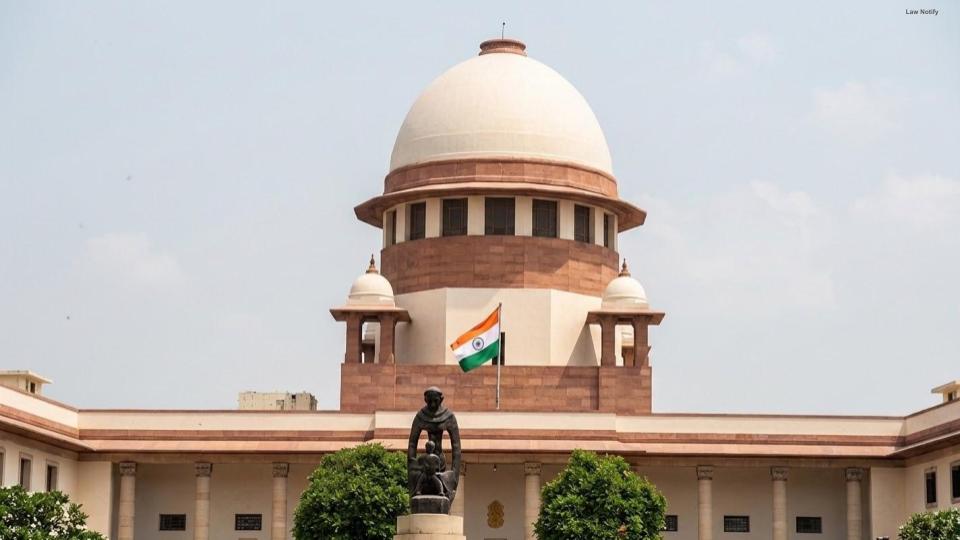
March 23, 2026 : The Supreme Court of India has closed the habeas corpus petition challenging the detention of Sonam Wangchuk, declining a request made on behalf of his wife to keep the matter pending.
The case was heard by a Bench of Justice Aravind Kumar and Justice P. B. Varale. At the outset, the Court noted that the detention order had already been revoked by the authorities and Wangchuk had been released, effectively resolving the primary grievance raised in the petition.
Counsel urged the Court to continue the proceedings, arguing that the case involved broader constitutional concerns, particularly regarding the use of preventive detention laws and their impact on personal liberty. It was submitted that even after release, the Court should examine the legality of the detention to provide clarity for future cases.
The Bench, however, declined to proceed further. It reiterated that the writ of habeas corpus is intended to secure the release of a person from unlawful detention. Once that objective is achieved, the basis for continuing the proceedings generally no longer survives. Since the detention order had been withdrawn, the Court held that no live cause of action remained.
At the same time, the Court clarified that closing the petition would not bar the petitioner from pursuing other remedies available in law, if there are surviving grievances unrelated to the detention itself.
The case arose from Wangchuk’s detention under preventive laws in the backdrop of protest-related developments in Ladakh, which had drawn public attention. While the detention was later withdrawn, the incident raised broader questions about the use of such laws in a constitutional framework.
The Court also reaffirmed that its jurisdiction is meant to address live disputes rather than academic issues, underscoring that constitutional remedies must be invoked in the presence of an existing and enforceable grievance.