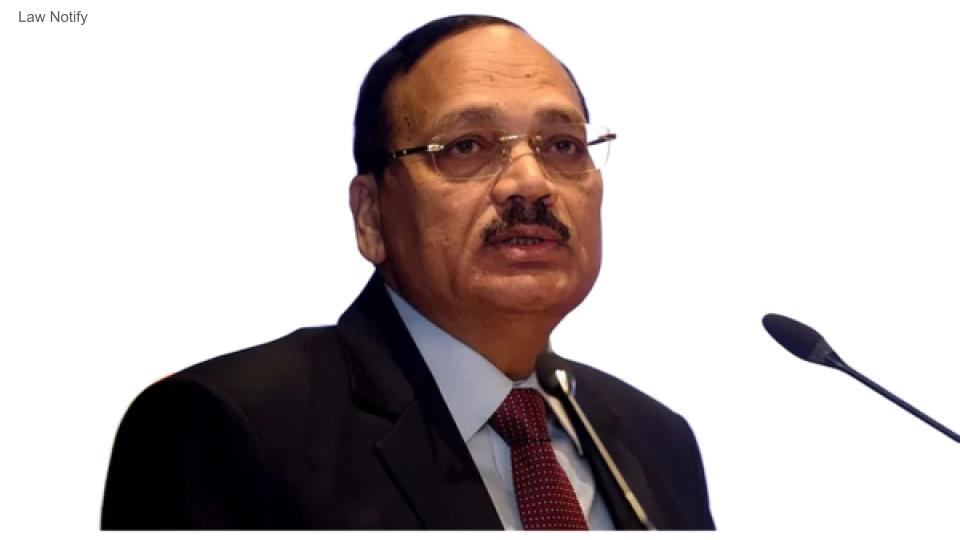
May 1, 2026 : Chief Justice of India Surya Kant on Friday declared Sikkim as the country’s first fully paperless State judiciary, marking a significant transition towards a digitised and technology-driven judicial framework.
Speaking at the national conclave on technology and judicial education in Gangtok, the CJI emphasised that the digitisation initiative enhances institutional accountability, promotes transparency, and aligns with ongoing judicial reforms under the e-Courts Project. He highlighted that the shift advances access to justice by removing logistical constraints, streamlining adjudicatory timelines, and improving procedural efficiency. The milestone coincides with Sikkim’s 50th Statehood anniversary, adding both constitutional and symbolic importance to the reform.
The transition involves a complete shift from physical records to a comprehensive electronic system, including e-filing, digital case flow management, automated workflows, and digitised judicial archives. This integrated framework aims to ensure adherence to statutory timelines, improve case management, and facilitate seamless access to records across judicial forums.
The paperless system is expected to reduce pendency, eliminate administrative delays, and enable real-time remote access to case files for litigants, lawyers, and judges, thereby reinforcing open justice and procedural due process.
The two-day conclave at Chintan Bhawan witnessed participation from key judicial figures, including Chief Minister Prem Singh Tamang, Chief Justice of Seychelles Justice Rony James Govinden, and Sri Lankan Supreme Court judge Mohammad Dhilip Nawaz Abdul Hameed, alongside judges from the Supreme Court and various High Courts.
Discussions focused on the integration of legal technology, the use of artificial intelligence in judicial processes, and advancements in digital judicial training. The Sikkim model is expected to serve as a replicable benchmark as the Indian judiciary moves towards a fully digitised, efficient, and sustainable system.