July 13, 2026 : The Supreme Court on Monday questioned the routine invocation of the Protection of Children from Sexual Offences (POCSO) Act, 2012 in cases involving consensual relationships between teenagers, observing that parents often initiate criminal proceedings to protect their “honour” when adolescents elope.
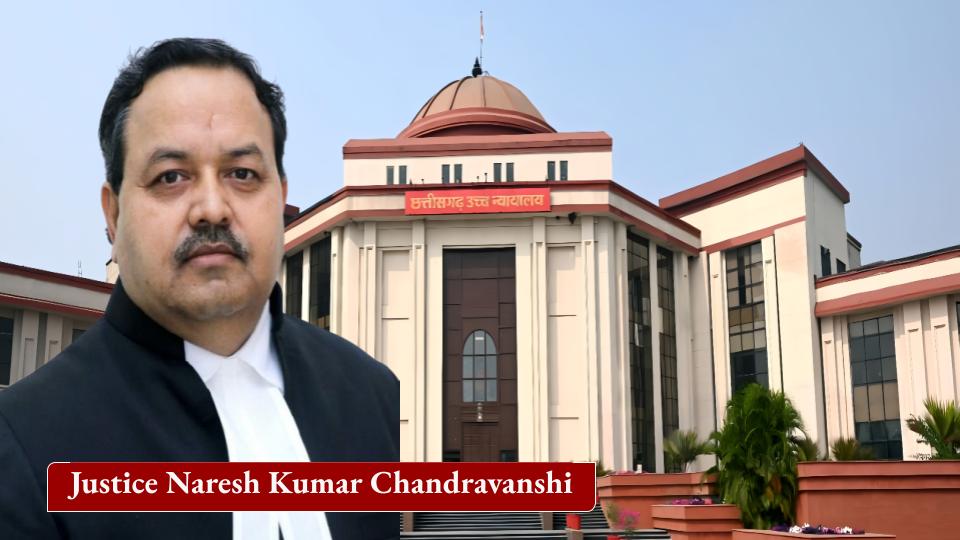
A Bench of Justice BV Nagarathna and Justice R Mahadevan made the observations while hearing a suo motu case concerning adolescents’ right to privacy. The proceedings were initiated after a controversial Calcutta High Court judgment advised teenage girls to “control” their sexual urges, a decision that was subsequently set aside by the Supreme Court.
During the hearing, the Bench observed that adolescence, particularly between the ages of 15 and 18, is a critical phase of emotional and psychological development. The Court questioned whether every consensual relationship involving teenagers should automatically attract prosecution under the POCSO Act.
The judges emphasized that while the primary objective of the POCSO Act is to protect children from sexual assault and exploitation, it is necessary to examine whether every such case genuinely falls within the scope of the legislation.
Senior Advocate Madhavi Divan informed the Court that the case which prompted the suo motu proceedings involved a minor who had voluntarily eloped with a 25-year-old man, later married him, and had a child. She also submitted that a committee appointed by the Court had identified several systemic shortcomings in the implementation of the POCSO Act and recommended measures to promote adolescent well-being.
The Bench noted that in many cases involving teenagers aged between 16 and 18 years, consensual relationships are criminalised after parents file complaints. As a result, courts often have to acquit the accused after prolonged legal proceedings.
The Union Government informed the Court that it has proposed comprehensive reforms, including age-appropriate adolescent education and phased POCSO awareness programmes beginning from Class VI. Madhavi Divan also suggested the creation of a dashboard to monitor POCSO cases. However, the Court observed that High Courts and State authorities already oversee such matters and expressed reservations about centralized monitoring by the Union Government.
The matter has been listed for further hearing on July 17.