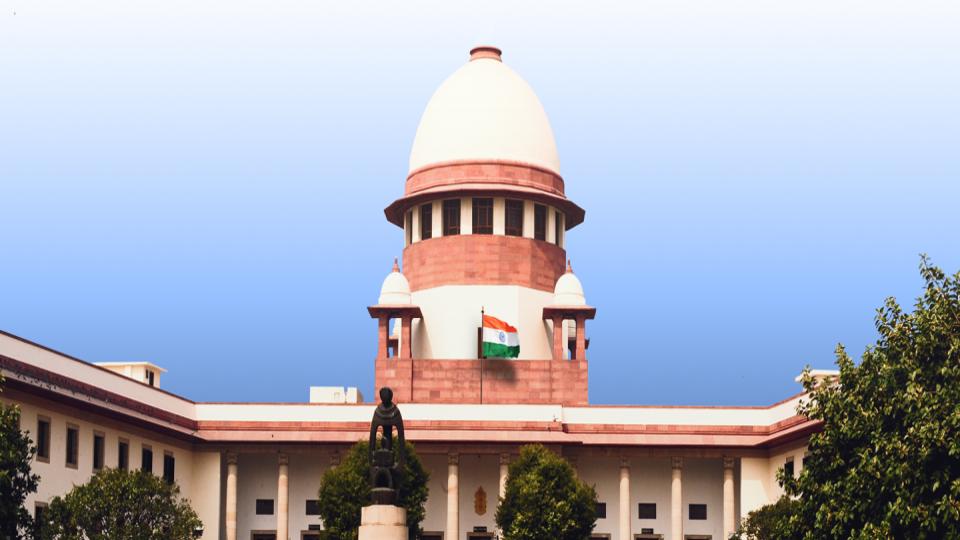
The Supreme Court of India has made it clear that public roads cannot be obstructed in the name of religious activities, holding that the State is empowered to step in when such actions interfere with secular functions or public order.
A nine-judge Constitution Bench led by Chief Justice Surya Kant made the observation while hearing a batch of petitions examining the scope of religious freedom and issues of discrimination against women in places of worship, including the Sabarimala Temple in Kerala.
The Bench noted that while religious denominations have autonomy in matters of worship under Articles 25 and 26 of the Constitution, this autonomy is not absolute. It cannot extend to practices that disrupt civic life or essential public services. Justice BV Nagarathna observed that organising religious events does not justify blocking roads and emphasised that the State has the authority to regulate such situations.
At the same time, the court clarified that it does not ordinarily interfere in how religious practices are conducted. However, judicial intervention becomes necessary when such practices affect secular rights or violate constitutional principles.
The Bench also stressed that the right to manage religious institutions must operate within a structured framework. It said regulatory mechanisms and clear norms are essential to ensure that religious administration remains orderly and consistent with constitutional mandates.
During the hearing, counsels debated the extent of protections available under Articles 25 and 26, particularly concerning the balance between religious practices and administrative rights of denominations. Reiterating its position, the court underlined that religious freedoms are subject to constitutional limitations, including considerations of public order, morality, and non-discrimination.
The matter will be taken up for further hearing tomorrow.
April 28, 2026 :