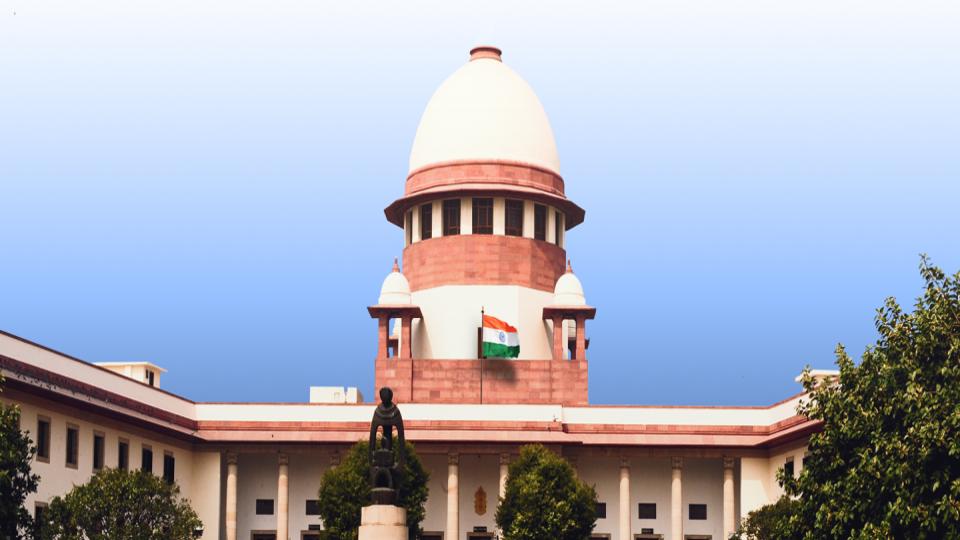
In a sharp indictment of flawed criminal investigations, the Supreme Court of India has acquitted 11 appellants in a murder case, holding that a “scripted enquiry” can have lethal consequences, especially when it risks implicating innocent persons. The Court noted that two of the accused had died during the long pendency of the appeal.
A Bench of Justice Sanjay Kumar and Justice K. Vinod Chandran found the prosecution case riddled with inconsistencies and investigative lapses, ultimately rendering the conviction unsustainable.
The Court observed that while testimony of injured eyewitnesses is generally given higher evidentiary value, such credibility collapses when the prosecution fails to prove the injuries themselves. In the present case, the absence of medical certificates and failure to match blood samples from the crime scene stripped the witnesses of any special reliability, reducing them to mere “chance witnesses”.
The Bench was particularly critical of the initial police response. Despite officers reaching the scene within minutes based on a telephonic tip, no First Information Report was registered for two days. The eventual FIR was filed on the basis of a complaint by a relative who was not an eyewitness but named multiple accused persons, raising serious doubts about its authenticity.
“It is unfortunate that the officer who reached the spot immediately failed to follow due procedure under the Code of Criminal Procedure, 1973 to set the investigation in motion,” the Court said, attributing the lapse to “ignorance, inefficiency or malicious motivation”.
The prosecution alleged that on July 8, 2008, the victim and his companions were travelling on motorbikes when they were ambushed using a steel wire tied across the road, followed by a brutal attack with sharp weapons. Sixteen individuals were charge-sheeted. During trial, one accused died, while 12 were convicted under various provisions of the Indian Penal Code, including murder and rioting. The High Court upheld the conviction of 11, leading to the present appeal.
However, the Supreme Court found the investigation “alarmingly doubtful”. It pointed to the failure to establish the presence of eyewitnesses at the scene, the non-production of seized motorbikes in court, and the absence of documentary proof of their ownership. The Court also flagged the failure to send seized weapons for forensic examination.
The two-day delay in filing the FIR, the Bench noted, appeared to have been used for “due deliberation” to construct a narrative and falsely implicate the accused. It also questioned the authenticity of the seizure records, observing that detailed documentation of vehicles allegedly prepared at the spot was inconsistent with the absence of immediate witness statements.
Calling the investigation either “inept” or “scripted”, the Court held that both are fatal to prosecution, but the latter is particularly dangerous as it can lead to the “crucifixion” of innocent individuals. It expressed concern that several accused had endured prolonged incarceration due to these lapses.
The Court directed the State of Assam and its Home Department to take corrective steps, including better training and equipping of investigating officers to ensure adherence to due process.
The case, titled Sadek Ali @ Md. Sadek Ali and Anr. v. The State of Assam and Anr. (Neutral Citation: 2026 INSC 421), saw Senior Advocate Vibha Datta Makhija appear for the appellants, while Senior AAG Chinmoy Sharma represented the State.